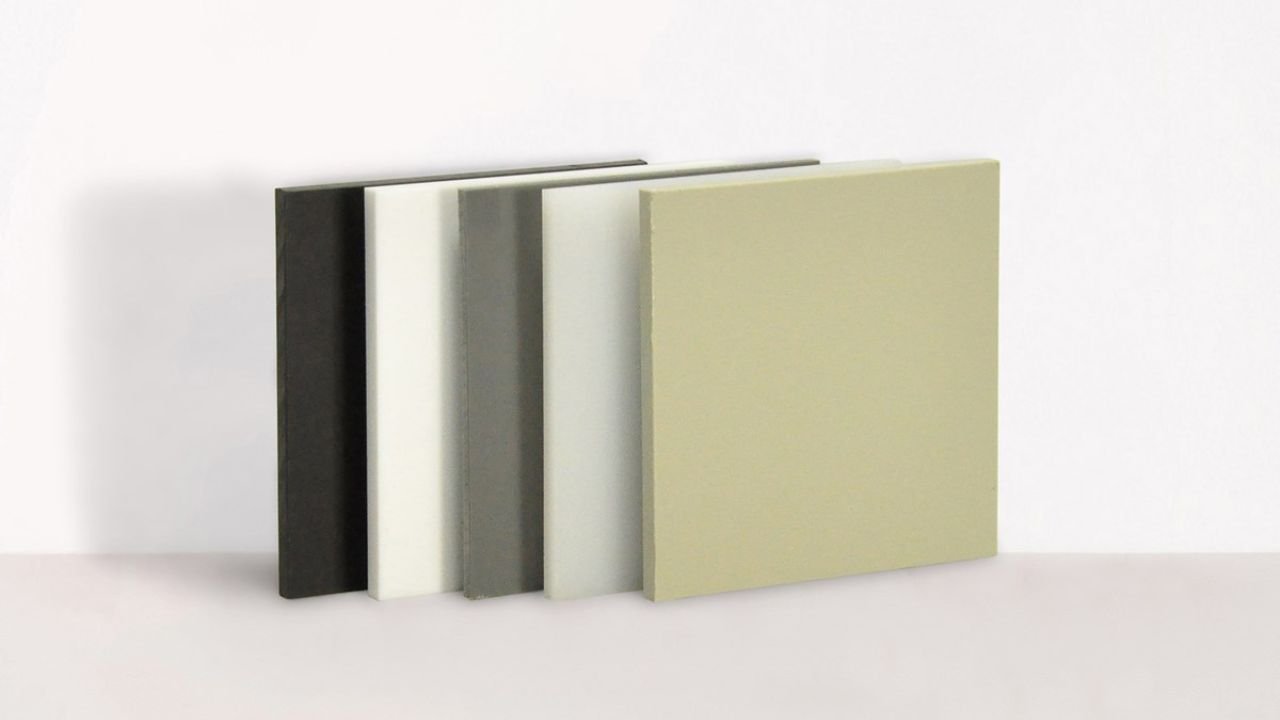
Polypropylene copolymer, often referred to as PPC, is a robust thermoplastic known for its impressive impact resistance and chemical stability. Unlike standard polypropylene, the copolymer variety is engineered to remain tough even at lower temperatures, making it a reliable choice for demanding environments.
Industries rely on these sheets because they don’t crack easily under pressure. They offer a unique balance of flexibility and strength that is hard to match with other plastics. Because the material is easy to weld and fabricate, it’s become a staple in modern manufacturing and construction. Keep on reading to discover the most frequent ways these versatile sheets are being utilised today.
1. Chemical Tanks and Liners
One of the primary uses for this material is the construction of chemical storage tanks. Because it’s highly resistant to acids, alkalis and organic solvents, it’s an ideal candidate for harsh industrial environments. You’ll often find these sheets used to line existing structures or to create entirely new, self-supporting vessels for liquid storage.
The durability of the material ensures that it doesn’t degrade quickly when exposed to corrosive substances. This longevity is vital for businesses that need to maintain strict safety standards while keeping maintenance costs low. Engineers prefer it because it’s lightweight compared to metal alternatives, which makes the installation process much more manageable.
2. Food Processing and Packaging
In the food industry, hygiene and safety are the top priorities. These sheets are frequently used for cutting boards, food preparation surfaces and specialised packaging because they’re non-toxic and resistant to moisture. Since the material doesn’t absorb liquids, it won’t harbour bacteria or odours, which is essential for maintaining a clean environment.
Manufacturers often choose PPC extruded sheets for reusable crates and containers. These products can withstand the rigorous cleaning processes required in the food sector, including high-temperature washes. It’s a cost-effective way to ensure that goods are transported safely without the risk of contamination.
3. Orthotics and Prosthetics
The medical sector utilises the unique thermoforming properties of this plastic to create custom orthotic devices. When the sheet is heated, it becomes pliable enough to be moulded into complex shapes that match a patient’s anatomy. Once it cools, it retains its shape perfectly while providing the necessary support and flexibility for comfortable wear.
Because the material is lightweight, it doesn’t add unnecessary bulk to prosthetic limbs or leg braces. It’s also skin-friendly and easy to wipe clean, which is a significant advantage for daily use. Patients find that these devices are durable enough to handle constant movement without showing signs of fatigue or stress cracking.
4. Wall Cladding and Protection
In high-traffic areas like hospitals, schools and commercial kitchens, walls often take a lot of punishment. Extruded sheets provide an excellent barrier against impacts from trolleys, equipment and general wear and tear. They’re easy to install over existing surfaces and provide a seamless, easy-to-clean finish that looks professional.
The sheets are available in various thicknesses to suit different levels of protection. For instance:
- Thin sheets are used for decorative and light-duty wall coverings.
- Medium thickness is ideal for kick plates on doors.
- Thicker sheets provide heavy-duty protection in industrial loading bays.
5. Automotive Components
The automotive industry has embraced this material for a wide range of internal and external parts. You’ll often find it used in battery cases, bumper fascia and interior trim panels. Its ability to withstand impact at low temperatures is particularly useful for vehicles that operate in the unpredictable British climate.
By using these sheets, car manufacturers can reduce the overall weight of a vehicle, which helps to improve fuel efficiency. The material is also recyclable, which aligns with the growing demand for more sustainable manufacturing practices. It’s a practical choice that combines performance with environmental responsibility.
Let’s Recap
As we’ve seen, the applications for this material are incredibly diverse. From protecting walls in busy corridors to providing structural integrity for chemical tanks, it’s a plastic that truly delivers on its promises. Its ease of fabrication means that it’ll continue to be a go-to choice for professionals across the UK.