
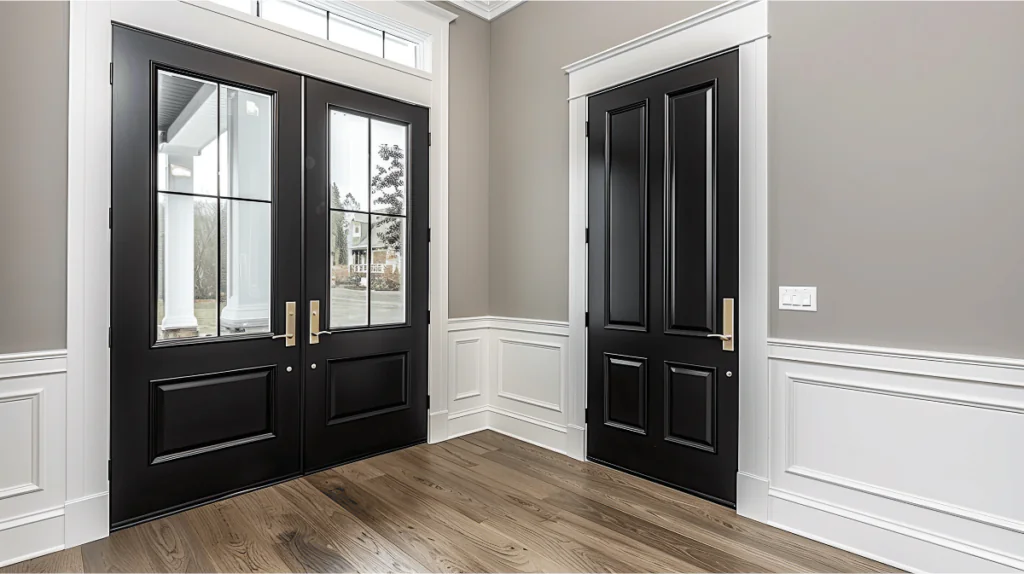
When people think about home design, they often focus on paint colors, furniture, or lighting. Yet one of the most noticeable details in a home is also one of the smallest. Door handles, locks, hinges, and finishes are touched every day, and when they don’t match, the space can feel messy without anyone knowing why.
A cohesive hardware style helps a home feel calm, finished, and thoughtfully designed. It connects rooms visually and makes the entire space look more expensive and put together. The good news is that you do not need a full renovation to get this right. With a clear plan, you can create a consistent look across your whole home.
Many homeowners start by browsing different styles and finishes before deciding what fits their space best. If you are exploring options, looking at a wide range of Door hardware can help you see how finishes, shapes, and functions work together before making a final choice.
Why a Cohesive Door Hardware Style Matters
How small details shape the overall interior look
Hardware works like jewelry for your home. Even if your flooring and walls are perfect, mismatched handles or shiny hinges beside matte fixtures can pull the design apart. Consistent hardware creates visual flow from room to room, making the house feel intentional rather than pieced together.
The impact of finishes, shapes, and materials on visual flow
Finishes like matte black, brushed nickel, chrome, satin brass, and oil-rubbed bronze each create a different mood. Shapes also matter. Straight levers feel modern, while round knobs often feel more traditional. When these elements repeat across rooms, they guide the eye smoothly through the home.
Common mistakes homeowners make with mismatched hardware
A frequent mistake is buying hardware room by room. This leads to chrome in the kitchen, brass in bedrooms, and black in bathrooms. Another issue is mixing modern handles with traditional backplates or ornate hinges. These clashes make spaces feel unfinished even when everything else looks good.
Start with Your Home’s Overall Design Style
Matching hardware to modern, traditional, or transitional interiors
Your home’s style should guide your hardware choice. Modern and minimalist homes often suit matte black levers, slim backplates, or brushed stainless steel. Traditional homes pair well with round knobs, warm brass finishes, or decorative plates. Transitional homes can mix both but still need consistency in shape and tone.
Considering color palettes, flooring, and wall finishes
Look at your flooring, wall color, cabinetry, and lighting. Cool tones like grey flooring often match brushed nickel or chrome. Warm timber floors pair nicely with brass or bronze finishes. Matching the undertone of your hardware with your room’s palette helps everything feel connected.
Choosing between statement hardware vs subtle hardware
Some homeowners want hardware to stand out, while others prefer it to blend in. Statement pieces like bold black levers or brushed brass handles can add personality. Subtle finishes like satin nickel tend to disappear into the background, which works well in calm or minimalist homes.
Choose a Consistent Finish Across the Home
Popular finishes
The most common finishes seen in homes today include matte black, brushed nickel, polished chrome, satin brass, and bronze. Matte black is popular in modern and Scandinavian spaces. Brushed nickel suits many interiors because it is neutral and easy to match. Brass is often used in warmer or more classic homes.
Should every room match exactly
Not every piece needs to be identical, but the finish family should stay consistent. You might use the same finish in every room while changing the handle shape slightly for function. For example, levers for main doors and privacy knobs for bathrooms, all in the same finish.
When mixing finishes can still look intentional
If you do mix finishes, keep one dominant. For instance, black for most doors and brass only on a feature front door. Limiting variation helps the mix feel planned instead of random.
Select the Right Types of Door Hardware for Each Space
Entry doors vs interior doors vs bathrooms
Front doors usually need stronger hardware like a deadbolt, entry handle set, or smart lock. Interior doors can use levers or knobs. Bathrooms need privacy locks, while closets often work best with simple passage handles or pull handles.
Knobs, levers, and pulls — what works best where
Levers are easier to use and often preferred for accessibility and modern design. Knobs are common in traditional homes. Sliding or barn doors need flush pulls or recessed handles so they move smoothly.
Balancing function, safety, and design
A cohesive look does not mean ignoring practicality. Entry locks must be secure, bathroom locks should be simple to open in emergencies, and handles should be comfortable to grip. Good design always supports daily use.
Keep Shapes and Design Details Consistent
Matching curves, lines, and backplates
Even if finishes match, mixing square modern handles with curved traditional knobs can feel off. Try to keep shapes similar. If you choose rounded levers, repeat that soft shape throughout the home.
Coordinating hinges, locks, and handles
Hinges are often overlooked, yet they are visible whenever a door opens. Matching hinge finishes with handles and locks strengthens the overall look. Door stops, latch plates, and strike plates should also stay in the same finish family.
Why mixing styles often breaks visual harmony
Too many styles compete for attention. When every door has a different look, the home loses its rhythm. Consistency creates a quiet background that allows furniture, art, and décor to stand out instead.
Think Beyond Doors: Match Other Hardware Elements
Coordinating cabinet handles and drawer pulls
Kitchen and bathroom cabinetry should connect with door finishes where possible. Matching tones between cabinet pulls and door handles helps tie rooms together.
Aligning lighting fixtures and tapware finishes
If your taps are brushed nickel and your door handles are polished chrome, the difference can feel subtle but noticeable. Keeping metals in the same tone group makes spaces feel calm and organized.
Creating a whole-home hardware theme
When door hardware, tapware, cabinet handles, and light fixtures share a finish or style direction, the home feels professionally designed. This approach works especially well in open-plan layouts where multiple rooms are visible at once.
Room-by-Room Tips for Maintaining Consistency
Entryway and hallway doors
Start with the front door since it sets the tone for the entire house. Choose a finish and style you love, then carry it through hallway and internal doors.
Bedrooms and bathrooms
Use the same base finish here but adjust function. Privacy locks for bathrooms, standard levers for bedrooms, and simple pulls for closets keep things consistent while serving each room’s needs.
Kitchen, laundry, and storage doors
These areas often include sliding doors, pantry doors, or utility spaces. Keeping finishes aligned with nearby cabinetry and appliances helps maintain visual flow.
Final Tips for a Cohesive Look That Lasts
Quality vs budget considerations
It is often better to buy fewer high-quality pieces than many cheap ones. Durable finishes last longer and keep their color, which helps your home stay consistent over time.
Planning hardware early in renovation or build
Hardware should be chosen alongside flooring, cabinetry, and lighting, not after everything is installed. Early planning avoids rushed decisions and mismatched finishes.
How to test finishes before committing
If possible, bring samples home. Look at them in natural light, next to your floors and walls. What looks perfect in a showroom can feel different inside your own space.
A cohesive hardware plan does more than make doors look good. It makes your home feel complete. When finishes, shapes, and functions work together, the result is a space that feels calm, thoughtful, and well designed from the moment someone walks in.
