
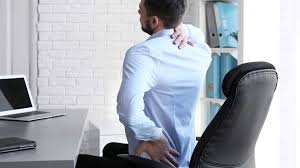
Modern office work has changed the way many people use their bodies. While desk-based jobs may not seem physically demanding, spending long hours sitting, typing and looking at screens can place significant strain on muscles and joints. Over time, these habits can lead to persistent discomfort, reduced mobility and posture-related injuries.
Many office workers now report experiencing regular back pain, neck stiffness and shoulder tension as a result of prolonged sitting and poor ergonomic setups. Because these issues tend to develop gradually, people often ignore the early warning signs until the discomfort becomes difficult to manage.
As awareness of workplace health grows, more professionals are turning to treatments that address the root cause of these problems. One option that is becoming increasingly popular is sports injury massage therapy.
Although traditionally associated with athletes, sports massage techniques are now widely used to treat muscular tension and repetitive strain injuries caused by desk-based lifestyles.
The Physical Impact of Long Hours at a Desk
When the body remains in the same position for extended periods, muscles can become tight and imbalanced. Sitting for several hours a day places pressure on the lower spine, weakens supporting muscles and restricts natural movement patterns.
Without regular movement, circulation slows and muscles can become stiff. Over time this leads to reduced flexibility and increased tension in key areas of the body.
Many people also unknowingly adopt poor posture while working. Leaning forward toward a screen or hunching over a laptop can cause the shoulders to round forward and the head to tilt downward, placing extra strain on the neck and upper back.
These posture habits can eventually lead to ongoing discomfort and muscular dysfunction if they are not addressed.
Common Injuries and Pain Areas in Office Workers
Even though office environments are not physically demanding in the traditional sense, repetitive strain and prolonged sitting can still cause a variety of musculoskeletal problems.
Some of the most common complaints include:
Tight lower back muscles
Sitting for extended periods compresses the lumbar spine and reduces core engagement. This often leads to lower back tightness, stiffness and occasional sharp pain when standing or moving.
Neck and shoulder tension
Poor screen positioning and long periods of typing can cause strain in the upper trapezius and neck muscles. This can lead to headaches, restricted movement and a constant feeling of tension across the shoulders.
Rounded shoulders and poor posture
Many office workers develop a forward shoulder position due to prolonged computer use. Over time this can weaken the upper back muscles and tighten the chest, further contributing to poor posture.
Hip tightness and reduced mobility
Sitting shortens the hip flexor muscles, which can affect the alignment of the pelvis and increase pressure on the lower back.
When these issues are left untreated, they can gradually worsen and interfere with daily activities, exercise routines and sleep quality.
How Sports Injury Massage Can Help
Sports injury massage focuses on treating deeper layers of muscle tissue to release tension, improve circulation and restore normal movement patterns. While it is commonly used by athletes recovering from intense training or injury, the same techniques can also benefit individuals dealing with posture-related muscle tightness.
By targeting specific muscle groups affected by prolonged sitting, sports massage can help:
- release muscle knots and tight fibres
• increase blood flow to stressed areas
• improve flexibility and mobility
• reduce inflammation
• support muscle recovery
Therapists often focus on key areas such as the lower back, shoulders, neck and hips, which are most affected by desk-based work.
Over time, regular treatment can help restore muscular balance and reduce the likelihood of recurring discomfort.
Supporting Better Posture and Workplace Health
While massage treatment can relieve existing tension, it is also important to address the habits that contribute to the problem. Small adjustments in the workplace can make a significant difference to long-term physical health.
Some useful changes include:
- adjusting monitor height so the screen is at eye level
• keeping feet flat on the floor while seated
• using a chair that supports the natural curve of the spine
• taking short movement breaks every 30 to 60 minutes
• incorporating gentle stretching throughout the day
These small habits can help reduce the strain placed on muscles during long working hours.
A Growing Demand for Targeted Treatment
As more people become aware of the physical impact of desk-based work, demand for treatments that address posture-related pain continues to grow. Sports injury massage is increasingly recognised as an effective option for relieving tension and improving movement in individuals who spend long hours at a desk.
Clinics specialising in sports injury massage treatments provide targeted therapy designed to reduce muscular tension and support recovery from posture-related discomfort. One example is SN Clinic based in Dudley, which offers professional sports injury massage treatments aimed at improving mobility, relieving muscle tightness and helping individuals manage pain caused by work-related posture problems.
For office workers experiencing persistent stiffness, back pain or shoulder tension, seeking professional treatment can be an important step towards restoring comfort, improving posture and maintaining long-term musculoskeletal health.