
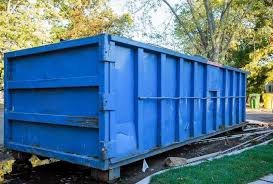
Interior demolition is one of the most debris-intensive phases of any renovation project. Flooring removal, interior gut jobs, and structural reconfigurations produce large amounts of waste quickly, often within a short window of time. For contractors handling these projects, managing debris efficiently is just as important as completing the demolition work itself.
Flooring materials, drywall, cabinets, trim, insulation, and other interior components accumulate rapidly once demolition begins. Without a structured waste removal plan, debris piles can slow progress, create safety hazards, and complicate material staging inside the home.
Using dumpster rentals as part of the demolition strategy helps contractors maintain control over jobsite conditions while keeping renovation work moving forward smoothly.
Why Interior Gut Jobs Generate So Much Debris
Unlike new construction, where waste is generated gradually during different phases, interior demolition produces large volumes of debris almost immediately. Once flooring, walls, and fixtures begin coming out, the amount of material removed can be significant.
Typical interior demolition debris includes:
- Carpet and carpet padding
- Hardwood flooring or laminate planks
- Ceramic tile and underlayment
- Drywall and insulation
- Cabinets, shelving, and trim
- Old plumbing fixtures or vanities
Because these materials come out quickly during demolition, debris management must be ready before the first section of flooring is removed.
Without a dedicated disposal plan, waste can quickly overwhelm workspaces inside the home.
Flooring Materials Create Unique Disposal Challenges
Flooring removal is one of the most common renovation tasks, but it produces several different waste types that vary significantly in weight and volume.
For example:
- Carpet is lightweight but bulky
- Tile is extremely dense and heavy
- Hardwood planks may include nails or adhesives
- Vinyl flooring may contain layered materials
These differences influence how quickly a dumpster fills and how heavy the load becomes.
Tile flooring, in particular, can push a container toward weight limits quickly, even if the dumpster appears only partially full. Contractors should monitor load density during flooring removal to prevent weight-related overages.
Understanding how different flooring materials behave during disposal helps contractors manage containers more effectively.
Demolition Phases Affect Dumpster Usage
Interior gut jobs typically unfold in stages. Flooring removal may occur first, followed by wall demolition, cabinet removal, and fixture replacement.
Each phase generates different types of debris and may fill containers at different rates.
For instance:
- Flooring removal produces dense debris early in the project
- Cabinet removal adds bulky but lighter waste
- Drywall demolition creates large volumes of lightweight material
Contractors who align dumpster capacity with demolition phases can avoid overloading containers or running out of disposal space mid-project.
Coordinating waste removal with demolition sequencing keeps the jobsite organized throughout the process.
Keeping Workspaces Clear Improves Productivity
Interior demolition often occurs in tight spaces. Homes under renovation rarely provide the open working areas found on large construction sites. Debris piles inside hallways or rooms can quickly restrict access and slow crews down.
Using a centralized dumpster allows contractors to remove debris continuously as demolition progresses.
Maintaining clear work areas provides several benefits:
- Easier movement for demolition crews
- Faster access for subcontractors entering the site
- Reduced trip hazards and safety risks
- Improved staging space for new materials
Clean work zones support more efficient renovation timelines.
Managing Dust and Debris Containment
Interior gut jobs frequently involve dust-producing materials such as drywall and plaster. If debris accumulates indoors for too long, dust can spread throughout the property and complicate cleanup efforts.
Prompt debris removal helps reduce the buildup of dust and loose particles inside the home.
Contractors often implement strategies such as:
- Using designated pathways for debris removal
- Placing dumpsters close to demolition exits
- Clearing debris at regular intervals during demolition
These practices minimize dust migration and maintain a cleaner jobsite environment.
Access and Placement Considerations
Dumpster placement is an important logistical decision during interior renovation projects. The container should be positioned close enough to the home to allow easy loading but not so close that it blocks access for workers or delivery vehicles.
Contractors should evaluate several factors when choosing placement locations:
- Driveway size and structural stability
- Clearance from trees or overhead lines
- Safe walking paths between the house and container
- Space for delivery trucks to maneuver
Proper placement reduces the time crews spend carrying debris and helps maintain safe site conditions.
Protecting Driveways and Property Surfaces
During flooring removal and interior demolition, containers may accumulate heavy materials such as tile, stone, or cabinetry. Concentrated loads can place significant weight on residential driveways.
Contractors often place protective boards beneath containers to distribute weight and reduce the risk of surface damage.
Taking precautions during placement helps protect property surfaces and prevents disputes after the project is completed.
Protecting the homeowner’s property should remain a priority throughout the renovation process.
Coordinating Dumpster Size with Project Scope
Choosing the right container size is essential for flooring removal and interior gut jobs. A container that is too small may require frequent swaps, while one that is too large may occupy unnecessary space on the property.
Factors influencing container size include:
- Total square footage of flooring being removed
- Number of rooms involved in the renovation
- Type of materials being demolished
- Whether cabinets, walls, or fixtures are included
Accurate project estimates help contractors determine the most appropriate container size before demolition begins.
Proper sizing reduces interruptions caused by full containers.
Weight Monitoring During Demolition
Dense demolition materials can create weight issues quickly. Tile, plaster, and masonry materials add significant mass to dumpster loads.
Contractors should monitor container fill levels carefully during flooring removal and interior gut work. Even if a container is not visually full, it may be approaching allowable weight limits.
Strategies to manage heavy debris include:
- Loading dense materials evenly throughout the container
- Avoiding concentration of heavy debris in one area
- Separating certain materials when possible
Managing load weight prevents hauling delays and additional disposal costs.
Coordinating Haul Timing with Demolition Pace
Interior demolition often progresses quickly, particularly when multiple crews are involved. Containers must be available when debris generation peaks.
If containers fill too early in the project, demolition work may slow while crews wait for replacements.
Planning haul timing ahead of time helps ensure that containers are swapped out as needed without interrupting work.
Reliable coordination with providers such as Waste Removal USA can help contractors align container service with the pace of interior demolition.
Timely waste removal keeps renovation schedules on track.
Reducing Multiple Handling of Debris
When debris accumulates inside a home before disposal, crews often end up moving the same material several times. For example, flooring debris may be piled in one room before being moved to a hallway and then carried outside.
Using a dumpster positioned near the demolition area reduces this double handling. Crews can remove debris immediately and move on to the next phase of work.
Reducing repeated handling saves labor time and improves overall efficiency.
Efficient debris removal contributes directly to faster project completion.
Safety Considerations During Flooring Removal
Flooring removal can expose sharp nails, broken tile edges, and splintered wood. When debris is left scattered across work areas, the risk of injury increases.
Regular removal of demolition materials helps maintain safer conditions on renovation sites.
Clear debris pathways allow workers to move tools and equipment safely while reducing the likelihood of slips or trips.
A well-managed waste removal system supports both productivity and jobsite safety.
Planning Waste Removal Early in Renovation Projects
Many contractors focus on design plans, material selections, and subcontractor scheduling during the early stages of a renovation project. Waste removal planning is sometimes treated as a secondary consideration.
However, interior demolition often generates more debris than expected. Planning container placement and service schedules before demolition begins helps avoid last-minute logistical challenges.
Early coordination ensures that disposal capacity matches the scale of the renovation work.
Proactive planning simplifies the entire demolition phase.
Flooring removal and interior gut jobs generate significant volumes of debris in a short period of time. From dense tile and drywall to bulky cabinetry and trim, renovation materials accumulate quickly and require structured waste management.
Dumpster rentals provide contractors with a centralized solution for handling demolition debris while maintaining safe and organized workspaces. Proper container sizing, strategic placement, and coordinated haul schedules help ensure that waste removal supports the renovation process rather than slowing it down.
For contractors managing interior demolition projects, integrating waste planning early allows flooring removal and gut work to proceed efficiently while keeping job sites clean, safe, and productive.
