
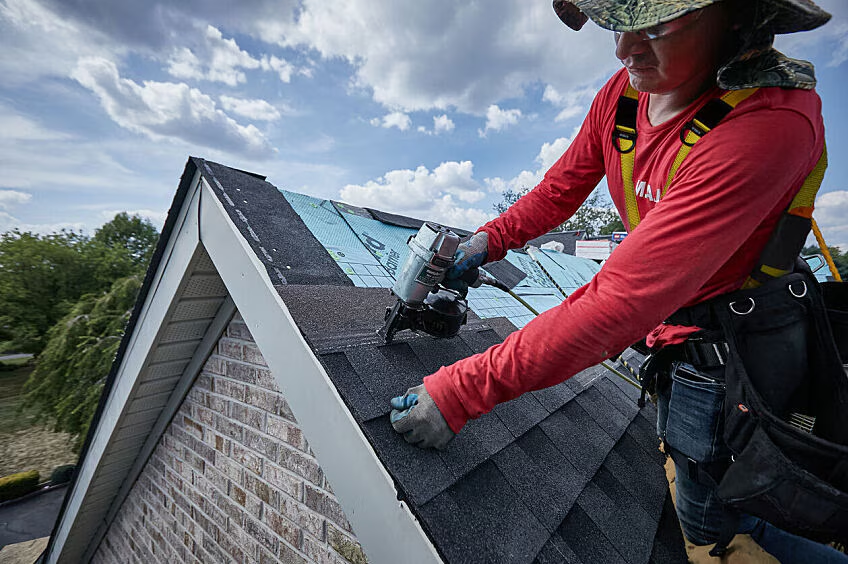
Shingle roofing is one of the most widely used roofing systems in residential construction due to its affordability, versatility, and relatively easy installation process. It is designed using overlapping individual elements called shingles, which are typically made from asphalt, wood, metal, or composite materials. These shingles work together to create a protective barrier that shields buildings from rain, wind, sunlight, and other environmental conditions.
Over the years, shingle roofing has become a preferred choice for homeowners because it offers a balance between cost-effectiveness and performance. It can be customized in various colors, textures, and styles, allowing property owners to match the roof design with the overall architectural appearance of the building. However, like all roofing systems, shingle roofs require proper installation and regular maintenance to ensure long-term durability and protection.
Understanding how shingle roofing works, its advantages, common issues, and maintenance requirements can help homeowners make informed decisions and extend the lifespan of their roofs.
Understanding How Shingle Roofing Works
Shingle roofing systems function by layering individual shingles in an overlapping pattern. This design ensures that water flows downward across the surface without penetrating the roof structure. Each shingle overlaps the one below it, creating multiple protective layers that act as a barrier against moisture and weather exposure.
The roof deck serves as the base structure, typically made of plywood or oriented strand board (OSB). Underlayment is then installed on top of the deck to provide an additional waterproof layer. Shingles are then applied in rows, starting from the bottom edge of the roof and working upward.
This layered system is essential because it directs water away from vulnerable areas and prevents leaks. Proper installation ensures that each shingle is securely fastened and correctly aligned to withstand wind uplift and heavy rainfall.
Types of Shingle Roofing Materials
There are several types of shingles used in roofing systems, each offering different levels of durability, appearance, and cost.
Asphalt shingles are the most common type due to their affordability and ease of installation. They are made from a fiberglass or organic base coated with asphalt and mineral granules. These shingles are widely used in residential properties and are available in a variety of colors and styles.
Wood shingles offer a more natural and traditional appearance. Typically made from cedar or redwood, they provide good insulation and aesthetic appeal but require more maintenance to prevent rot, mold, and insect damage.
Metal shingles are known for their durability and resistance to extreme weather conditions. They can last significantly longer than other materials and are often used in areas prone to heavy storms or snowfall.
Composite shingles are made from a mixture of synthetic materials designed to mimic the appearance of natural wood or slate while offering improved durability and lower maintenance requirements.
Benefits of Shingle Roofing
One of the main advantages of shingle roofing is cost-effectiveness. Compared to other roofing systems such as tile or metal panels, shingles are generally more affordable to purchase and install, making them a popular choice for homeowners.
Another benefit is design flexibility. Shingles are available in a wide range of colors, textures, and styles, allowing homeowners to customize the appearance of their roof to match their home’s architectural design.
Ease of installation is another key advantage. Shingle roofing systems are relatively straightforward to install, which reduces labor costs and installation time compared to more complex roofing systems.Shingle roofs also provide reliable weather protection when properly installed. Their overlapping design effectively sheds water and resists wind damage, making them suitable for a variety of climates.
Common Problems in Shingle Roofing
Despite their advantages, shingle roofs can develop issues over time due to weather exposure and natural aging.
One of the most common problems is shingle curling or cracking. This occurs when shingles age and lose flexibility, often due to prolonged exposure to sunlight and temperature changes.
Another frequent issue is granule loss. Asphalt shingles are coated with protective granules that shield them from UV rays. Over time, these granules can wear away, reducing the shingle’s effectiveness and lifespan.Leaks are also a common concern. Improper installation, damaged shingles, or worn underlayment can allow water to penetrate the roof structure, leading to interior damage.
Wind damage is another issue, especially in areas prone to storms. High winds can lift or remove shingles, exposing the roof deck to moisture.Moss and algae growth can also develop in humid environments. While often cosmetic at first, this growth can retain moisture and accelerate shingle deterioration.
The Shingle Roofing Installation Process
Proper installation is essential for ensuring the performance and longevity of a shingle roof. The process begins with preparing the roof deck, which must be clean, dry, and structurally sound.
Next, an underlayment is installed across the entire roof surface. This layer acts as a secondary moisture barrier and provides additional protection against leaks.Starter shingles are then placed along the roof edges to create a secure base for the first row of shingles. These starter strips help prevent water infiltration at vulnerable edges.
Shingles are then installed in overlapping rows, starting from the bottom and working upward. Each shingle is carefully aligned and nailed into place according to manufacturer specifications.Flashing is installed around roof penetrations such as chimneys, vents, and skylights to prevent water from entering these areas.
Finally, ridge caps are added at the roof peak to seal the top and complete the installation.
Maintenance Requirements for Shingle Roofs
Regular maintenance is essential for maximizing the lifespan of a shingle roof. Routine inspections help identify early signs of damage such as missing shingles, cracks, or leaks.Cleaning debris such as leaves and branches helps prevent moisture buildup and reduces the risk of moss growth. Gutters should also be kept clean to ensure proper drainage.
Minor repairs, such as replacing damaged shingles or sealing small leaks, should be addressed promptly to prevent more extensive damage.It is also recommended to schedule professional roof inspections periodically, especially after severe weather events.
The lifespan of a shingle roof depends on several factors, including material quality, installation quality, climate conditions, and maintenance practices.High-quality shingles installed by experienced professionals tend to last significantly longer than poorly installed or low-grade materials.
Climate plays a major role as well. Roofs exposed to extreme heat, heavy rain, or strong winds may experience faster wear and tear.Regular maintenance can significantly extend roof lifespan by preventing minor issues from developing into major problems.
Energy Efficiency and Shingle Roofing
Modern shingle roofing systems can also contribute to energy efficiency. Reflective shingles are designed to reduce heat absorption, helping to keep indoor temperatures cooler during hot weather.
Proper roof ventilation is also important for maintaining energy efficiency. Adequate airflow helps regulate attic temperature and reduces strain on cooling systems.Insulated roofing systems can further improve energy performance by reducing heat transfer between the roof and interior spaces.
Selecting the right shingle roofing system depends on budget, climate, aesthetic preferences, and long-term performance expectations.
Asphalt shingles are ideal for cost-conscious homeowners seeking reliable performance and easy maintenance. Wood shingles are better suited for those prioritizing natural appearance and insulation. Metal and composite shingles are preferred for long-term durability and resistance to extreme conditions.Working with experienced roofing professionals can help ensure the right material and design are chosen based on specific property needs.
Conclusion
Shingle roofing remains one of the most practical and widely used roofing systems due to its affordability, versatility, and reliable performance. When properly installed and maintained, it provides strong protection against weather conditions while enhancing the appearance of a property.
Understanding the different types of shingles, common issues, installation process, and maintenance requirements allows homeowners to make informed decisions and extend the lifespan of their roofs. Regular care and timely repairs are essential for preserving both functionality and appearance.
Ultimately, shingle roofing offers a balanced solution that combines durability, aesthetic flexibility, and cost-effectiveness, making it a dependable choice for residential and light commercial properties.
