
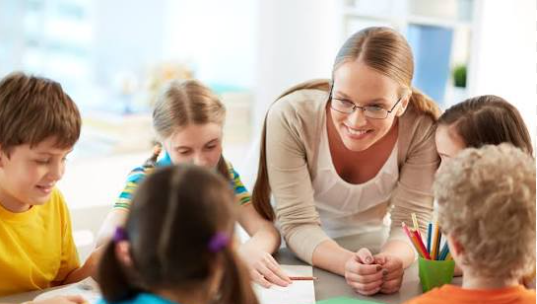
Education is most effective when children actively participate in the learning process. While reading, writing, and structured instruction remain essential components of childhood education, meaningful learning often occurs when students engage directly with ideas, ask questions, share experiences, and communicate with others.
Over the past several decades, educators have increasingly recognized the importance of interactive learning environments. Rather than viewing students as passive recipients of information, modern educational approaches encourage children to become active participants in their own development.
This shift has influenced everything from classroom design and lesson planning to communication activities and collaborative projects. The goal is not simply helping children memorize information but empowering them to think critically, express themselves confidently, and develop skills that extend beyond academic settings.
Many teachers incorporate fun letter-based speaking activities to help young learners develop confidence while expanding vocabulary and communication skills.
Similarly, educators often explore creative classroom participation ideas that encourage students to communicate, share observations, and build public speaking confidence in age-appropriate ways.
These types of activities represent a broader educational philosophy that emphasizes participation, curiosity, and meaningful engagement.
Why Active Learning Produces Better Results
Children naturally learn through exploration. From infancy, they interact with their environment by observing, touching, questioning, experimenting, and communicating. Traditional educational approaches sometimes overlook these natural learning tendencies by placing excessive emphasis on passive instruction.
Active learning aligns more closely with how children naturally acquire knowledge. When students participate directly in discussions, projects, presentations, and collaborative activities, they become more invested in the learning process. Information is not simply delivered to them; it becomes something they actively engage with and apply.
Research and classroom experience consistently show that active participation improves retention because students process information more deeply. Rather than memorizing isolated facts, they connect concepts to experiences and practical situations.
Students who are engaged tend to remember information longer because they understand its relevance. This deeper connection often creates lasting educational benefits that extend well beyond a single lesson or classroom activity.
The Relationship Between Communication and Academic Success
Communication plays a central role in education. Students rely on communication skills to ask questions, understand instructions, explain ideas, collaborate with peers, and demonstrate learning. These abilities influence success across virtually every subject area.
Strong communicators are often more comfortable participating in classroom discussions and seeking clarification when needed. This willingness to engage can create additional learning opportunities that support academic growth.
Communication skills also contribute to critical thinking. Organizing thoughts, explaining reasoning, and responding to different perspectives require students to process information carefully and thoughtfully.
As students become more confident speakers, they frequently become more confident learners. They are willing to contribute ideas, challenge assumptions, and explore concepts more deeply.
Why Confidence Develops Through Participation
Confidence rarely appears automatically. It develops through experience. Children become more confident speakers when they have repeated opportunities to communicate in supportive environments.
Many young learners initially feel hesitant about speaking in front of groups. Structured participation activities provide safe opportunities to practice communication without excessive pressure.
Over time, students begin to realize that their ideas have value and that sharing those ideas can be rewarding. Every successful interaction reinforces positive feelings about participation.
This growing confidence often extends beyond communication itself. Children who feel comfortable expressing themselves may become more willing to take academic risks, explore new concepts, and engage in collaborative learning experiences.
The Importance of Vocabulary Development
Vocabulary serves as the foundation for communication. Every new word a child learns expands their ability to understand information and express ideas.
A richer vocabulary allows students to describe experiences more accurately, engage with complex concepts, and participate more effectively in discussions. Vocabulary growth also strengthens reading comprehension because students can understand more of what they encounter in books and educational materials.
Children develop vocabulary through reading, conversation, storytelling, educational activities, and everyday experiences. Interactive learning environments often accelerate vocabulary growth because children actively use language rather than simply hearing it.
When students apply new words in meaningful contexts, retention and understanding improve significantly. This practical use of language helps transform vocabulary from memorized information into functional communication tools.
Curiosity as a Driver of Learning
Curiosity is one of the strongest motivators in childhood education. Children naturally want to understand how things work, why events occur, and what new experiences might reveal.
Effective educational environments encourage this curiosity rather than limiting it. Curious learners tend to ask more questions, seek deeper understanding, and remain engaged longer.
Interactive learning supports curiosity by creating opportunities for exploration and discovery. Instead of focusing exclusively on answers, students learn to investigate problems and consider multiple possibilities.
This approach develops habits of inquiry that remain valuable throughout life. People who continue asking questions and seeking knowledge often become stronger learners regardless of age or profession.
Social Learning and Peer Interaction
Learning is often a social process. Children develop important skills through interaction with classmates, teachers, family members, and other members of their communities.
These interactions expose them to diverse perspectives and communication styles. Collaborative activities help students learn how to listen actively, respect differing opinions, share ideas clearly, work toward common goals, and resolve disagreements constructively.
These social skills complement academic development and contribute to overall personal growth. Strong social communication abilities can improve both classroom performance and long-term interpersonal success.
Students who work effectively with others are often better prepared for future educational and professional environments where collaboration plays an important role.
Why Creativity Enhances Educational Outcomes
Creativity is frequently associated with art and imagination, but its educational value extends far beyond creative subjects.
Creative thinking helps students solve problems, generate ideas, adapt to new situations, connect concepts, and explore alternatives. Interactive learning environments often encourage creativity because they allow students to contribute original thoughts and perspectives.
When children feel free to express themselves, they become more engaged and invested in learning experiences. Creativity also helps students approach challenges with flexibility rather than relying solely on memorized solutions.
In an increasingly complex world, this adaptability is becoming more valuable than ever before.
The Role of Teachers in Creating Engagement
Teachers play a critical role in shaping educational experiences. Beyond delivering information, effective educators create environments that encourage participation, curiosity, and collaboration.
Engaged classrooms often share several characteristics. They promote open communication, provide positive reinforcement, encourage active participation, and create opportunities for exploration.
These elements help students feel supported while encouraging independent thinking. Teachers who prioritize engagement frequently create learning environments where students feel motivated to contribute and learn.
A positive classroom atmosphere can transform learning from an obligation into an enjoyable and meaningful experience.
Preparing Students for a Changing Future
The future workplace will likely require skills that extend beyond technical knowledge alone. Employers increasingly value communication, collaboration, adaptability, creativity, and problem-solving.
Many of these skills begin developing during childhood through educational experiences that encourage active participation and meaningful interaction.
By focusing on communication and engagement, educators help students build foundations that support future academic, professional, and personal success.
The ability to communicate ideas clearly and work collaboratively may become even more important as technology continues transforming how people learn and work.
Why Engagement Matters More Than Memorization
Memorization has a place in education, but engagement creates deeper understanding. Students who actively interact with concepts often retain information longer because they connect learning to experiences and personal meaning.
Engaged learners are more likely to ask questions, explore ideas independently, apply knowledge practically, develop critical thinking skills, and maintain long-term interest in learning.
These outcomes support both immediate academic achievement and lifelong learning habits.
The goal of education should not simply be transferring information. It should involve helping students develop the skills, confidence, and curiosity necessary to continue learning throughout their lives.
Building Lifelong Learners
Perhaps the greatest benefit of interactive education is its ability to cultivate lifelong learners. Children who enjoy learning often continue seeking knowledge well beyond formal schooling.
They become individuals who ask questions, pursue interests, and adapt to changing circumstances. This mindset is increasingly important in a world where information evolves rapidly and continuous learning has become essential.
Educational experiences that encourage participation, communication, creativity, and curiosity help establish habits that remain valuable throughout adulthood.
Rather than focusing solely on immediate academic outcomes, educators can create environments that inspire ongoing growth and exploration.
Conclusion
Interactive learning represents far more than a teaching strategy. It reflects a broader understanding of how children develop knowledge, confidence, communication skills, and curiosity.
When students actively participate in learning experiences, they become more engaged, more confident, and better prepared for future challenges. Through communication, collaboration, creativity, and exploration, children develop skills that support success both inside and outside the classroom.
As education continues evolving, interactive approaches will likely remain essential because they align with how children naturally learn and grow. By creating opportunities for meaningful participation, educators help students build foundations for lifelong learning, personal development, and future achievement.