
Introduction
Trees are among the most valuable natural assets in any outdoor environment, offering shade, beauty, environmental benefits, and structural balance to landscapes. However, like any living element, trees require consistent care to remain healthy, safe, and visually appealing. One of the most important aspects of tree care is proper maintenance that ensures trees grow in a controlled, balanced, and sustainable way. Without regular attention, trees can become overgrown, diseased, or structurally weak, potentially posing risks to surrounding property and people.
Tree care involves a combination of techniques including pruning, shaping, removal of dead branches, and managing growth patterns. These practices not only improve the appearance of trees but also contribute to their long-term health and stability. When done correctly, tree maintenance enhances the overall landscape, prevents potential hazards, and supports environmental sustainability.
The Importance of Proper Tree Maintenance
Trees play a vital role in improving air quality, reducing heat, preventing soil erosion, and supporting biodiversity. However, these benefits can only be fully realized when trees are properly maintained. Uncontrolled growth can lead to weak branches, uneven weight distribution, and increased vulnerability to storms or disease. Regular maintenance ensures that trees continue to grow in a healthy and balanced structure.
One of the key reasons for maintaining trees is safety. Overgrown branches can pose a serious risk if they extend too close to buildings, power lines, or pedestrian areas. Weak or dead branches may fall unexpectedly, causing damage or injury. Regular care helps eliminate these risks by identifying and removing problematic areas before they become dangerous.
A structured approach to tree trimming ensures that trees remain safe, strong, and visually appealing throughout their lifespan. It also helps property owners avoid costly damage caused by neglected tree growth.A well-maintained landscape relies heavily on the appearance and structure of its trees. Trees that are properly shaped and balanced contribute significantly to curb appeal and overall outdoor aesthetics. They create natural framing for buildings, provide shade in strategic areas, and add depth and dimension to outdoor spaces.
When trees grow without maintenance, they can become uneven, overcrowded, or visually unappealing. This can negatively impact the overall appearance of the property and reduce its value. Proper shaping and maintenance help maintain symmetry and ensure that trees complement the surrounding environment rather than overpower it.Careful tree trimming plays an essential role in maintaining visual harmony within a landscape. By controlling growth patterns and removing unnecessary branches, trees can be shaped to enhance the beauty of both residential and commercial outdoor spaces.
Health Benefits of Regular Tree Maintenance
Tree health is directly influenced by how well they are maintained. Removing dead, diseased, or damaged branches allows trees to direct their energy toward healthy growth. This process also helps prevent the spread of disease and pest infestations, which can quickly damage an entire tree if left untreated.
Proper airflow and sunlight penetration are also essential for tree health. Dense, unmaintained canopies can block sunlight and restrict air circulation, creating an environment where mold, fungi, and pests can thrive. Regular maintenance helps open up the canopy, improving overall tree vitality.In addition, root health is indirectly supported through proper canopy management. A balanced tree structure reduces stress on roots, allowing for more stable and sustainable growth over time.
Consistent tree trimming contributes significantly to maintaining healthy trees by promoting better air circulation, improved sunlight exposure, and reduced risk of disease.Safety is one of the most important reasons for maintaining trees regularly. Large branches that extend over roofs, driveways, or public pathways can become hazardous, especially during storms or high winds. Falling branches can cause significant property damage and pose serious risks to people and vehicles.Tree maintenance helps reduce these risks by identifying weak or unstable branches before they become a problem. Professionals assess the structure of trees and determine which branches should be removed to maintain balance and safety.
In urban and residential areas, tree safety is especially important due to the close proximity of buildings and infrastructure. Proper maintenance ensures that trees coexist safely within developed environments without causing interference or danger.A well-planned approach to tree trimming significantly reduces safety risks by maintaining structural integrity and preventing unpredictable branch failure.
Seasonal Factors That Influence Tree Care
Tree maintenance is not a one-time task; it is a continuous process influenced by seasonal changes. Different seasons affect tree growth patterns, sap flow, and overall health, making timing an important factor in maintenance activities.
During dormant seasons, trees are often easier to shape because they are not actively growing. This makes it an ideal time for structural adjustments and removal of large branches. In contrast, growing seasons require more careful maintenance to avoid stressing the tree.Weather conditions also play a role. Strong winds, heavy rainfall, and extreme temperatures can all impact tree stability and health. Regular inspections after seasonal changes help identify damage and prevent long-term issues.
Proper timing of tree trimming ensures that trees recover efficiently and continue to grow in a healthy and controlled manner throughout the year.Effective tree maintenance requires the right tools and techniques. Depending on the size and condition of the tree, different equipment may be used to achieve precise and safe results.
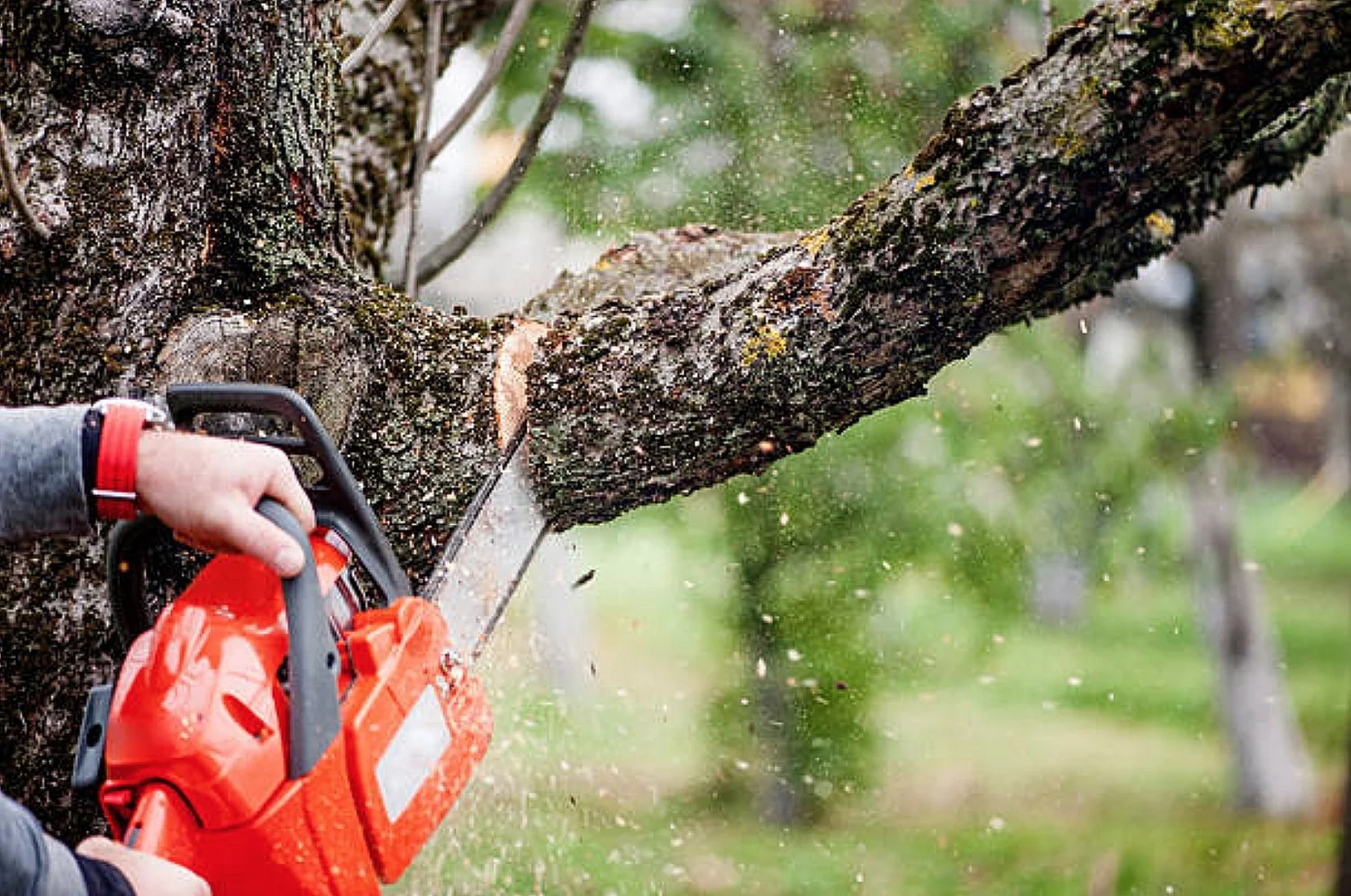
Hand pruners and loppers are commonly used for small branches and detailed shaping work. For larger branches, saws and specialized cutting tools are required. In more complex situations, professional equipment such as chainsaws and elevated platforms may be used to safely access higher branches.Technique is just as important as tools. Proper cutting methods ensure that trees heal correctly and reduce the risk of disease or structural damage. Incorrect cutting can lead to open wounds that expose trees to pests and infections.Experienced professionals apply careful methods during tree trimming to ensure that each cut supports the long-term health and structure of the tree while minimizing stress and damage.
Environmental Benefits of Tree Maintenance
Trees are essential to environmental health, and proper maintenance helps maximize their ecological benefits. Healthy trees absorb carbon dioxide, produce oxygen, and provide habitats for wildlife. They also help regulate temperature by providing shade and reducing heat buildup in urban areas.Well-maintained trees are more efficient in performing these functions. By removing unhealthy or overcrowded branches, trees can grow more effectively and contribute better to environmental balance.
In addition, properly maintained trees are more resistant to storms and extreme weather, reducing the likelihood of falling debris and environmental disruption.
Sustainable tree trimming practices ensure that trees continue to provide environmental benefits while maintaining structural integrity and long-term resilience.Despite its importance, tree care is often done incorrectly, leading to long-term damage. One common mistake is over-trimming, which can weaken a tree and reduce its ability to produce energy through photosynthesis. Removing too many branches at once can stress the tree and slow its growth.Another mistake is improper cutting techniques. Incorrect cuts can leave trees vulnerable to disease and decay. It is important to make precise cuts that allow trees to heal naturally.
Neglecting regular maintenance is another issue. Trees that are left unattended for long periods can develop structural problems that become difficult and costly to correct later.Avoiding these mistakes and applying proper tree trimming practices helps ensure that trees remain healthy, stable, and visually appealing over time.
Conclusion
Healthy trees provide long-term benefits that extend far beyond aesthetics. They increase property value, improve air quality, reduce energy costs through natural shading, and enhance overall quality of life. Well-maintained trees can last for decades or even centuries, making them a valuable long-term investment.
Trees also contribute to emotional well-being by creating calming and natural outdoor environments. Studies have shown that green spaces can reduce stress and improve mental health, making trees an important part of both private and public landscapes.Consistent care ensures that trees continue to provide these benefits for future generations. Regular maintenance is not just about appearance it is about preserving a natural resource that supports both environmental and human health.
Tree care is an essential part of maintaining safe, attractive, and environmentally healthy outdoor spaces. Proper maintenance ensures that trees remain structurally sound, visually appealing, and beneficial to their surroundings. From improving safety and health to enhancing landscape beauty and environmental sustainability, the advantages of regular care are significant and long-lasting.
By applying proper techniques and consistent attention, property owners can ensure that their trees remain strong and valuable assets for many years. A thoughtful approach to tree trimming not only protects trees but also enhances the entire landscape, creating outdoor spaces that are safer, greener, and more enjoyable.Ultimately, responsible tree care is an investment in both nature and property, ensuring long-term balance between human development and the natural environment.
