
Introduction
Indoor air quality plays a crucial role in maintaining a healthy, comfortable, and energy-efficient living environment. While many homeowners focus on heating and cooling equipment, the ductwork that distributes conditioned air throughout a building is often overlooked. Over time, air ducts can accumulate dust, dirt, pet dander, pollen, mold spores, and other airborne contaminants that circulate through the HVAC system. As these pollutants build up, they can affect indoor air quality, system efficiency, and overall comfort. This is why regular air duct cleaning has become an important part of maintaining a healthy and efficient home or commercial property.
Air ducts serve as the pathways that deliver heated or cooled air to different rooms. Every time the HVAC system operates, air moves through these channels, carrying microscopic particles that can gradually settle inside the ductwork. Without proper maintenance, these contaminants can accumulate and impact both the performance of the HVAC system and the quality of the air occupants breathe. Understanding the benefits of duct cleaning, how the process works, and when it should be performed can help property owners make informed decisions about their indoor environment.
Understanding the Role of Air Ducts in HVAC Systems
An HVAC system is designed to regulate indoor temperature, humidity levels, and airflow throughout a building. Air ducts are an essential component of this system because they transport conditioned air from the heating or cooling equipment to individual rooms and return air back to the system for reconditioning.
The duct network consists of supply ducts, return ducts, vents, registers, and various connections that allow air to circulate efficiently. During operation, air continuously flows through these pathways, carrying dust particles, allergens, and debris. While air filters capture a significant portion of these contaminants, some particles inevitably make their way into the duct system.
As time passes, layers of dust and debris can accumulate inside ductwork. In some cases, moisture may also enter the system, creating conditions that support mold growth. These issues can negatively affect indoor air quality and HVAC performance if not addressed through routine maintenance.
Why Air Ducts Accumulate Dust and Debris
Many factors contribute to contamination within air ducts. Everyday activities such as cooking, cleaning, walking, and opening doors introduce airborne particles into indoor spaces. Pet hair, pollen, dust mites, and other microscopic contaminants are continuously circulated throughout the building.
Construction and remodeling projects often generate significant amounts of dust that can enter duct systems. Even after a project is completed, residual debris may remain trapped within the ductwork.
Homes with pets often experience higher levels of hair and dander accumulation, while properties located near busy roads or construction zones may experience increased dust infiltration. Moisture problems can also contribute to mold growth inside ducts, particularly in humid environments or when condensation develops around HVAC components.
Because these contaminants accumulate gradually, many property owners are unaware of the extent of buildup occurring inside their duct systems until performance issues or air quality concerns become noticeable.
The Impact of Dirty Ductwork on Indoor Air Quality
Indoor air quality directly affects comfort, health, and overall well-being. When contaminants accumulate within ductwork, they can be distributed throughout the building every time the HVAC system operates.
Dust particles circulating through the air can settle on furniture, flooring, and other surfaces, creating a constant cleaning challenge. More importantly, airborne contaminants may contribute to respiratory irritation, allergy symptoms, and discomfort for sensitive individuals.
People with asthma, allergies, or other respiratory conditions may be particularly affected by poor indoor air quality. Pollutants such as pollen, pet dander, mold spores, and dust mites can trigger symptoms and reduce overall comfort.
Regular air duct cleaning helps remove accumulated contaminants from the system, reducing the amount of airborne debris circulating throughout the indoor environment and supporting healthier air quality.
Common Signs That Duct Cleaning May Be Needed
Although every building is different, several warning signs may indicate that duct cleaning should be considered.
Excessive dust accumulation around vents and registers is one of the most common indicators. If dust continues to appear shortly after cleaning, contaminants inside the ductwork may be contributing to the problem.
Unpleasant odors coming from vents can also signal contamination within the system. Mold growth, accumulated debris, or pest activity inside ductwork may produce noticeable smells that spread throughout the building.
Visible mold around air vents or inside accessible sections of ductwork should always be investigated promptly. Mold growth can negatively impact indoor air quality and may indicate moisture-related issues that require attention.
Increased allergy symptoms among occupants may also suggest that airborne contaminants are circulating through the HVAC system. Frequent sneezing, coughing, or respiratory irritation can sometimes be linked to dirty ductwork.
Reduced airflow from vents may indicate significant debris accumulation that restricts proper air circulation and affects HVAC performance.
The Professional Air Duct Cleaning Process
Professional duct cleaning involves a thorough and systematic approach designed to remove contaminants from the entire HVAC distribution system.
The process typically begins with an inspection of the ductwork using specialized cameras and diagnostic tools. This allows technicians to assess the condition of the ducts and identify areas with significant contamination.
Once the inspection is complete, powerful vacuum equipment is connected to the system to create negative pressure. This prevents contaminants from escaping into the indoor environment during cleaning.
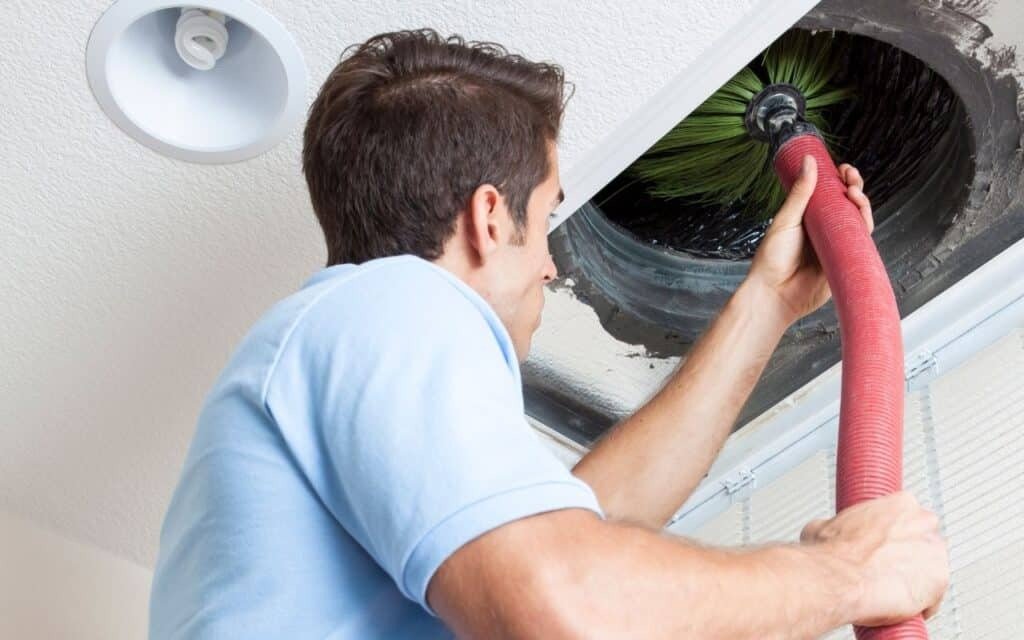
Specialized brushes, air whips, and agitation tools are then used to dislodge debris from duct surfaces. As contaminants are loosened, they are captured by the vacuum system and safely removed.
Technicians may also clean registers, grilles, diffusers, and other accessible components to ensure comprehensive results. In some cases, sanitizing treatments may be applied when mold or bacterial contamination is present.
After cleaning is completed, a final inspection verifies that the ductwork has been thoroughly cleaned and is operating properly.
Benefits of Professional Duct Cleaning
One of the primary advantages of duct cleaning is improved indoor air quality. Removing accumulated dust, allergens, and contaminants helps create a cleaner and healthier environment for occupants.
Another major benefit is enhanced HVAC efficiency. When airflow pathways are free from excessive debris, the system can operate more effectively and distribute conditioned air more evenly throughout the building.
Improved efficiency often leads to lower energy consumption. HVAC equipment does not have to work as hard to maintain desired temperatures when airflow is unrestricted.
Clean ducts can also contribute to longer equipment lifespan. Reduced strain on heating and cooling components helps minimize wear and tear, potentially reducing repair costs and extending system longevity.
Additionally, cleaner ductwork often results in reduced household dust, creating a more comfortable living environment and decreasing the need for frequent cleaning.
The Connection Between Duct Cleaning and Energy Efficiency
Energy efficiency is a significant concern for property owners seeking to reduce utility costs. Dirty ductwork can negatively impact efficiency by restricting airflow and forcing HVAC equipment to operate longer than necessary.
When airflow is impeded, heating and cooling systems must work harder to maintain consistent indoor temperatures. This increased workload results in higher energy consumption and additional stress on system components.
By removing debris and restoring proper airflow, air duct cleaning helps optimize HVAC performance and improve overall energy efficiency. Improved airflow allows conditioned air to reach its intended destination more effectively, reducing wasted energy and supporting lower operating costs.
Preventing Future Duct Contamination
While duct cleaning is beneficial, preventive measures can help minimize future contamination and extend the benefits of the service.
Regularly replacing HVAC air filters is one of the most effective ways to reduce dust and debris entering the duct system. High-quality filters capture more airborne particles and help protect both the equipment and ductwork.
Routine HVAC maintenance is also important. Annual inspections allow technicians to identify potential issues before they contribute to contamination or airflow restrictions.
Maintaining proper humidity levels helps prevent mold growth and moisture-related problems inside ducts. Addressing leaks, condensation, and ventilation issues promptly can further protect the system.
Keeping living spaces clean through regular dusting and vacuuming also reduces the amount of airborne debris that may enter the HVAC system.
Why Professional Expertise Matters
Duct cleaning requires specialized equipment, technical knowledge, and experience to ensure effective results. Attempting to clean extensive duct systems without professional tools may not remove contaminants completely and could potentially damage components.
Experienced technicians understand how HVAC systems are designed and know how to access ductwork safely without causing disruption to the system. They can identify hidden issues such as mold growth, damaged ducts, pest infestations, or airflow problems that may require additional attention.
For homeowners and businesses seeking healthier indoor air and improved HVAC efficiency, professional air duct cleaning services provide thorough system cleaning, advanced equipment, and expert solutions designed to maximize long-term performance and indoor comfort.
Modern Technology in Duct Cleaning Services
The duct cleaning industry continues to benefit from technological advancements that improve accuracy and effectiveness. High-definition inspection cameras allow technicians to evaluate duct conditions without invasive procedures.
Powerful vacuum systems equipped with HEPA filtration capture fine particles and prevent contaminants from re-entering indoor spaces during cleaning. Advanced agitation tools ensure thorough removal of debris from duct surfaces.
Some service providers also use antimicrobial treatments and air quality testing equipment to address specific contamination concerns and verify cleaning effectiveness. These innovations help deliver more comprehensive results while supporting healthier indoor environments.
Long-Term Value of Clean Air Ducts
Investing in routine duct maintenance offers long-term benefits that extend beyond immediate air quality improvements. Clean duct systems support consistent HVAC performance, lower energy costs, and reduced equipment wear.
Improved airflow contributes to better temperature balance throughout the building, enhancing overall comfort for occupants. Cleaner indoor air may also reduce allergy symptoms and respiratory discomfort for sensitive individuals.
By maintaining a clean and efficient HVAC distribution system, property owners can protect their investment, improve energy efficiency, and create a healthier indoor environment for years to come.
Conclusion
Air ducts play a vital role in delivering conditioned air throughout homes and commercial buildings, but they can gradually accumulate dust, allergens, and contaminants that affect both indoor air quality and HVAC performance. Regular maintenance and professional cleaning help remove these pollutants, restore airflow, and improve overall system efficiency.
Understanding the causes of duct contamination, recognizing warning signs, and scheduling professional air duct cleaning when needed can contribute significantly to healthier indoor air and lower energy costs. With proper maintenance, advanced cleaning techniques, and expert service, clean duct systems can support long-term comfort, efficiency, and HVAC reliability for many years.
