
Heading into the wilderness with your family requires careful planning, especially when it comes to keeping essential devices powered. Modern campgrounds often have strict noise ordinances, while remote off-grid locations lack reliable access to electrical hookups.
Choosing between traditional fuel-based options and a quiet solar generator is a critical decision that impacts your overall outdoor experience. Your choice determines whether you wake up to the sound of birds or a combustion engine.
The Reality of Campsite Power Needs
Before investing in equipment, you must evaluate what appliances you actually plan to run during your trip. Running a small medical device overnight requires a vastly different setup than brewing coffee or powering a portable refrigerator in the summer heat.
Families typically need enough capacity to charge smartphones, illuminate the campsite after dark, and perhaps inflate an air mattress. Understanding these baseline wattage requirements helps prevent purchasing an oversized unit that wastes trunk space or an undersized one that fails.
Breaking Down the Gas Powered Experience
Combustion models have been the standard for decades, offering raw output that easily handles high-draw appliances. However, bringing a gas unit into a serene forest environment introduces several logistical challenges that modern campers must carefully navigate before setting up camp.
Noise Levels and Campground Rules
Most national parks enforce strict quiet hours, typically from late evening until early morning. Traditional models often produce noise levels between fifty and seventy decibels, which may easily violate these regulations and disturb neighboring campers seeking a peaceful nature retreat.
Fuel Management and Safety Risks
Transporting highly flammable liquids in a packed family vehicle requires heavy-duty, certified containers and constant ventilation. Spills can ruin expensive gear permanently, while the carbon monoxide emissions mandate that these machines must always operate at a safe distance from tents.
Consistent Output Regardless of Weather
The primary advantage of a combustion engine is its ability to generate electricity reliably during heavy rain or thick cloud cover. As long as you have enough fuel reserves, you can maintain continuous power for heating equipment or cooking appliances.
How a Solar Setup Changes the Dynamic
Transitioning to battery-based power fundamentally alters how you manage campsite energy. If you want a seamless and modern outdoor experience, investing in a high-quality solar generator provides an elegant solution that eliminates the headaches of carrying messy liquid fuels.
Silent Operation and Clean Air
Lithium battery stations operate in complete silence, allowing you to run a CPAP machine inside your tent or charge devices without waking the kids. There are absolutely no toxic exhaust fumes, meaning you can safely keep the unit nearby indoors.
Understanding Capacity and Recharge Rates
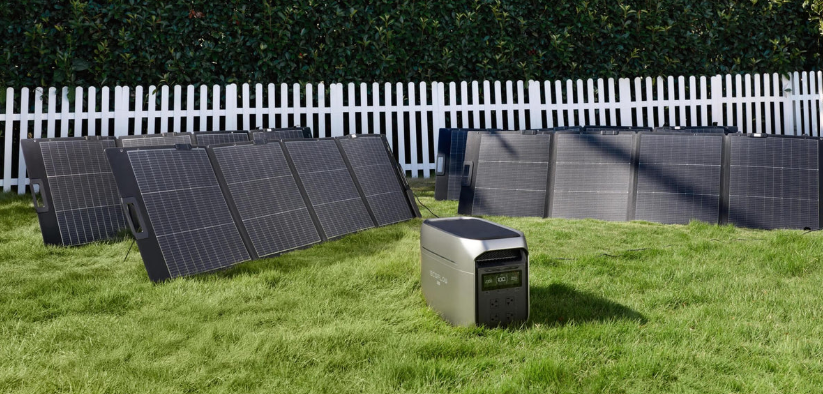
Instead of refilling a tank, you replenish the internal battery using portable photovoltaic panels during peak daylight hours. Advanced units feature fast-charging capabilities, meaning a few hours of direct sunlight may fully restore the battery capacity for the upcoming night.
Head to Head Performance Comparison
When comparing these two distinct technologies directly, the differences between a traditional motor and a solar generator become starkly apparent. Shoppers must weigh the upfront financial investment against the long-term convenience and recurring expenses associated with maintaining a reliable power source.
Initial Investment vs Long Term Costs
Gasoline models generally feature a lower initial purchase price, making them attractive for occasional users. Conversely, lithium-based systems demand a higher upfront cost but completely eliminate the ongoing expense of purchasing gasoline, oil, and spark plugs over their operational lifespan.
Maintenance Requirements Over Time
Combustion engines require routine oil changes, carburetor cleaning, and careful winterization to prevent stale fuel from clogging internal lines. Battery stations are virtually maintenance-free; you merely need to recharge them periodically while sitting in storage to maintain healthy cell chemistry.
Weight and Portability Factors
A fully fueled traditional model is often incredibly heavy, usually requiring two adults to lift it safely out of a truck bed. Modern battery banks utilize high-density lithium iron phosphate cells, significantly reducing overall weight while maintaining ergonomic carrying handles.
| Feature Category | Traditional Gas Powered Units | Modern Solar Generators |
| Operational Noise Levels | Typically operates at 50 to 70+ decibels | Completely silent operation without mechanical parts |
| Toxic Emissions & Exhaust | Emits dangerous carbon monoxide and exhaust fumes | Zero emissions, completely safe for breathable air |
| Primary Fuel Source | Requires purchasing gasoline or liquid propane | Harnesses free sunlight or standard AC wall outlets |
| Safe Indoor Usage | Strictly prohibited, must remain outdoors only | One hundred percent safe for tent or RV interior |
Key Features to Look For
Regardless of which technological path you ultimately select, certain technical specifications separate premium models from unreliable entry-level alternatives. Understanding these specific metrics ensures your family will have adequate electricity when unexpected weather rolls in or devices desperately need a charge.
Pure Sine Wave Inverters
Sensitive electronics like laptop computers and medical equipment require clean, stable electrical currents to function properly without sustaining permanent internal damage. Always verify that your chosen unit features a pure sine wave inverter rather than a cheaper modified sine wave.
Battery Chemistry Lifespans
If leaning toward battery options, look specifically for lithium iron phosphate chemistry. This advanced composition typically withstands thousands of charge cycles before significant degradation occurs, representing a much wiser investment compared to older, traditional lithium-ion or heavy lead-acid alternatives.
Here are three crucial specifications to verify:
- Surge Wattage: Ensures the unit can seamlessly handle the initial electrical spike when a mini-fridge compressor or heating coil first turns on.
- Port Variety: Look for multiple fast-charging USB-C ports, standard AC wall outlets, and a dedicated twelve-volt car socket for maximum device compatibility.
- Solar Input Capacity: Determines exactly how quickly the internal system can recharge when connected to an array of portable photovoltaic panels under direct sunlight.
Making the Right Choice for Your Family
Your final decision should reflect your specific camping style and environmental preferences. If you frequent established parks with strict noise ordinances and prioritize environmental friendliness, adopting a modern solar generator is undoubtedly the most logical and considerate path forward.
Conversely, if you exclusively hunt in remote wilderness areas during freezing winter months with heavy cloud cover, traditional fuel might still serve you well. However, many modern campers are finding that a hybrid approach utilizing a robust solar generator solves most problems.
Consider these practical usage scenarios before buying:
- Weekend Glamping: A mid-sized solar generator perfectly handles overhead string lights, portable cooling fans, and multiple smartphone chargers for the entire family.
- RV Boondocking: High-capacity solar generators can often integrate directly with your existing recreational vehicle setup, supplementing the built-in roof panels perfectly.
- Emergency Home Backup: These versatile units easily double as excellent indoor power reserves during severe thunderstorms, keeping your kitchen refrigerator running safely.
Final Thoughts on Off-Grid Comfort
Embracing nature no longer means sacrificing basic safety or modern conveniences. The rapid evolution of the portable solar generator has made off-grid living more accessible, cleaner, and dramatically quieter for families looking to escape the city without losing vital connectivity.
By carefully assessing your true wattage needs and respecting the natural environment, you can elevate your camping trips significantly. Investing in a reliable solar generator ensures your family remains comfortably powered, allowing you to focus entirely on making lasting outdoor memories.
