
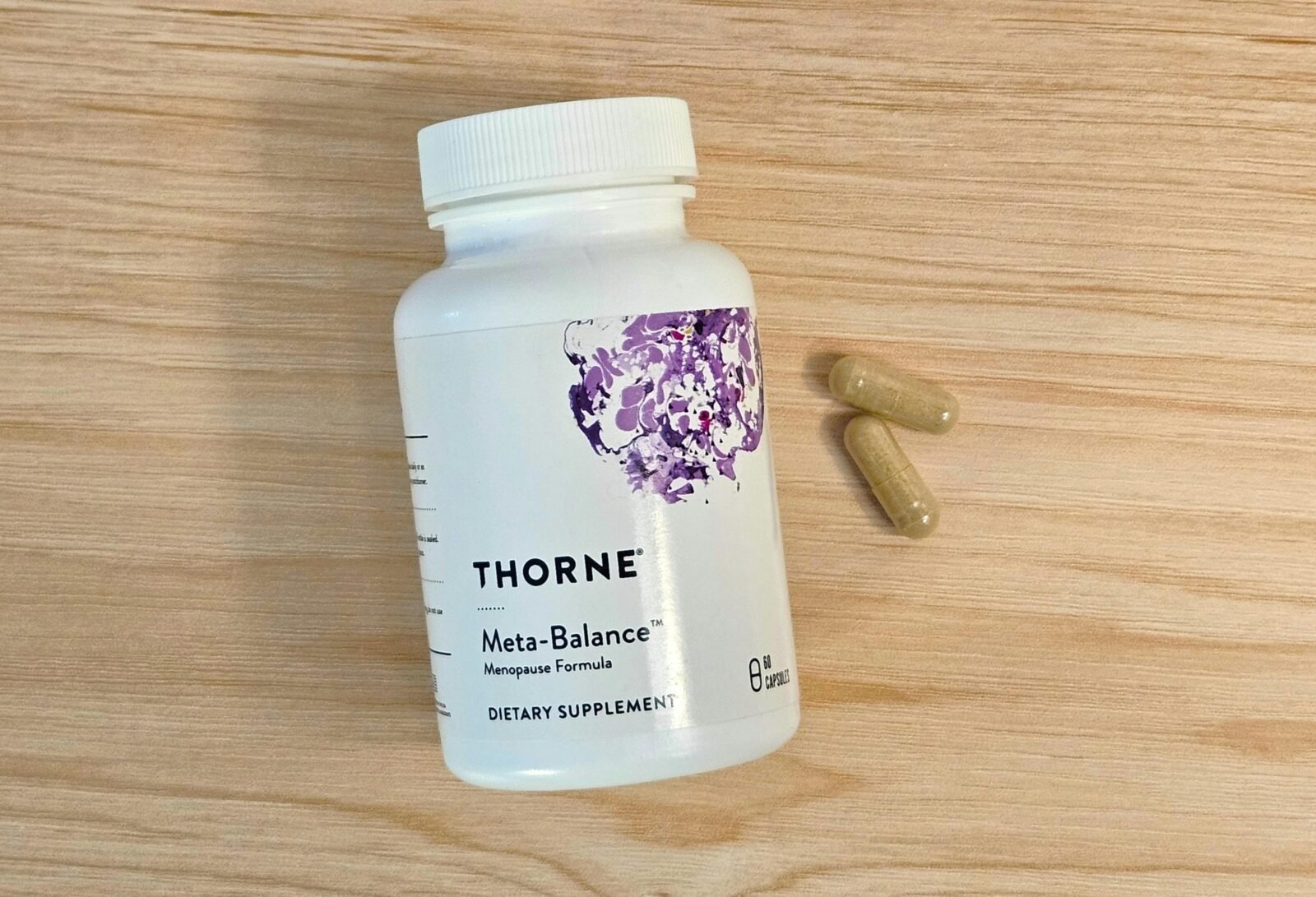
Hormones don’t decline quietly. For many women, perimenopause announces itself with night sweats at 3 a.m., mood shifts that feel oddly out of proportion, and a bone-deep fatigue that no amount of sleep seems to fix. The question isn’t whether nutrition matters during this transition — it clearly does. The question is which menopause supplements are worth taking and which are filling shelf space.
The market is crowded. Walk into any pharmacy, and you’ll find dozens of products promising relief, balance, and renewed energy. But the evidence behind them varies dramatically. Some nutrients have decades of clinical backing; others are riding on vague wellness language. Here’s a grounded look at what the research actually supports.
Why Nutritional Needs Shift During Menopause
Declining estrogen doesn’t just affect hot flashes. It alters how the body manages bone density, cardiovascular risk, blood sugar regulation, and even cognitive function. As estrogen drops, the body becomes less efficient at absorbing certain nutrients — calcium absorption decreases, vitamin D metabolism changes, and metabolic rate can slow noticeably.
This isn’t just a matter of eating less. It’s a matter of eating differently — and in some cases, supplementing strategically to fill gaps that diet alone can’t reliably cover.
Core Nutrients With the Strongest Evidence
Calcium and Vitamin D: The Bone Health Foundation
These two work as a pair. Calcium provides the raw material for bone density; vitamin D governs how much of it actually gets absorbed. After menopause, bone loss accelerates — and without adequate levels of both, the risk of osteoporosis rises steadily.
Research consistently shows that calcium and vitamin D co-supplementation preserves bone mineral density and reduces fracture risk in postmenopausal women. Getting enough vitamin D from sunlight alone is difficult for many women, particularly in urban environments or during winter months — making supplementation more practical than optional.
The tricky part is dosing. More isn’t always better: excess calcium from supplements (rather than food) has been associated with cardiovascular concerns in some studies. Targeting the recommended daily intake rather than doubling up is the sensible approach.
Magnesium: The Overlooked Essential
Magnesium plays a role in over 300 enzymatic reactions, including those involved in sleep regulation, muscle function, and mood stability — all areas that tend to falter during menopause. Yet it’s frequently overlooked in favour of the more-discussed calcium.
Low magnesium intake is associated with poorer sleep quality and increased anxiety. During the menopause transition, when sleep disruption is already common, this matters more than most women realise. Magnesium glycinate or citrate forms are generally better tolerated than magnesium oxide, which can cause digestive upset.
B Vitamins: Cognitive Protection and Mood Support
For the prevention and management of cognitive difficulties — brain fog, poor concentration, memory lapses — an adequate supply of B vitamins is considered particularly important. B6 supports serotonin production, which directly affects mood; B12 plays a role in nerve function and energy metabolism; folate helps regulate homocysteine, a compound linked to cardiovascular risk when elevated.
Menopause can increase the risk of B vitamin insufficiency through reduced absorption, higher demand, and medication interactions. A comprehensive overview of B vitamins and cognitive function in menopause published via PubMed outlines why these nutrients deserve more attention during this stage of life. A quality B-complex supplement can address multiple gaps at once, rather than requiring separate pills for each.
Plant-Based Options Worth Considering
Phytoestrogens and Soy Isoflavones
Phytoestrogens are plant compounds that weakly mimic estrogen in the body. Soy isoflavones are the most studied category. The evidence is genuinely mixed — some trials show a modest reduction in hot flash frequency; others show minimal effect. Population differences appear to matter: women whose gut microbiome can metabolise isoflavones into equol (an active metabolite) tend to respond better.
For women seeking non-hormonal options, quality menopause supplements that combine soy isoflavones with other evidence-backed nutrients offer a more complete approach than single-ingredient products.
It’s worth noting that while phytoestrogens may benefit symptom frequency and severity, they may not be appropriate in the context of hormone-sensitive conditions — a conversation worth having with a doctor before starting, particularly for women with a personal or family history of hormone-sensitive cancers.
Omega-3 Fatty Acids
Omega-3s are primarily known for cardiovascular and brain health, but their relevance during menopause extends further. They have anti-inflammatory properties that may help with joint discomfort and mood regulation.
According to NLM Report 2023, a systematic review on omega-3 fatty acids found that fish oil supplementation may reduce the frequency and severity of hot flashes and support mood stability during menopause, making it one of the more versatile additions to a menopause supplement routine.
Even post-menopause, omega-3s remain relevant: declining estrogen increases cardiovascular risk, and omega-3s are one of the better-studied dietary tools for supporting heart health.
A Practical Supplement Comparison
| Nutrient | Primary Benefit | Evidence Level | Notes |
| Calcium + Vitamin D | Bone density | Strong | Take together; avoid mega-dosing calcium |
| Magnesium | Sleep, mood, muscle function | Moderate–strong | Glycinate/citrate forms preferred |
| B-Complex | Cognition, energy, mood | Strong for deficiency | Especially B6, B12, folate |
| Soy Isoflavones | Hot flash frequency | Moderate, variable | Response depends on gut microbiome |
| Omega-3 (EPA/DHA) | Cardiovascular, inflammation | Strong | 1,000 mg/day is the commonly used dose |
What Supplements Do I Need for Menopause — and What to Skip
The honest answer is: it depends on diet, health history, and where a woman is in the transition. That said, a few patterns hold across most cases:
- Vitamin D and calcium are commonly needed, especially for women who don’t eat dairy or spend limited time outdoors
- Magnesium is frequently deficient and rarely discussed enough
- B vitamins are worth assessing, particularly B12, for women over 50
- Omega-3s are a sensible addition if oily fish doesn’t appear on the menu more than twice a week
What’s less useful: proprietary “hormone balance blends” with ten ingredients at sub-therapeutic doses. Individual nutrients at meaningful amounts — or well-formulated combinations where the doses actually match clinical research — are a worthier investment.
Not everything labelled as a menopause supplement Singapore consumers or global shoppers encounter on shelves carries the same evidence. Ingredient quality, bioavailability, and dosing all affect how well a product actually performs.
Timing, Combinations, and What to Discuss With a Doctor
Some supplements interact in ways that reduce their effectiveness. Calcium can inhibit iron absorption when taken together; fat-soluble vitamins like D and E are better absorbed with meals that contain fat; magnesium and calcium compete for absorption if taken simultaneously at very high doses.
Whatever decision a woman makes about nutritional supplementation, discussing it with a healthcare provider remains important — particularly if hormone replacement therapy is already in use, or if any prescription medications are part of the picture. A simple blood panel checking vitamin D, B12, and magnesium levels takes much of the guesswork out of the equation and helps prioritise where supplementation will actually make a difference.
Making Supplementation Work Alongside Diet
No supplement corrects a poor diet. That said, even women eating well can fall short on specific nutrients during menopause — the demand increases while absorption sometimes decreases. The goal isn’t to replace food with capsules; it’s to close the gaps that food reliably can’t fill.
The most effective approach combines a nutrient-dense diet — think Mediterranean-style: oily fish, leafy greens, legumes, whole grains — with targeted supplementation based on actual needs. Start with the essentials: vitamin D, magnesium, and B vitamins. Build from there based on symptoms and lab results.
Symptoms that persist despite reasonable supplementation are worth investigating further. Hormonal shifts during menopause are complex, and sometimes what looks like a nutrition issue is a signal that a broader conversation with a healthcare provider is overdue.