
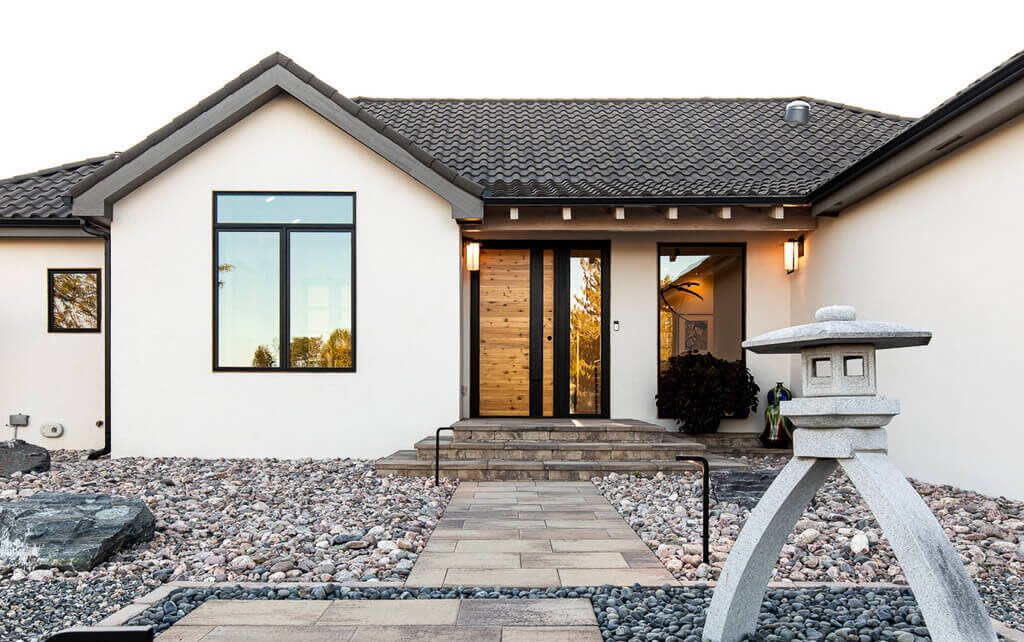
Introduction
The exterior finish of a home is far more than a decorative layer. It serves as a protective barrier against weather, regulates moisture exposure, contributes to insulation performance, and plays a major role in overall architectural identity. Among the many exterior finishing systems available in modern construction, cement-based cladding has remained a widely used and highly valued option due to its durability, versatility, and visual appeal.
One of the most established and widely recognized exterior finishes in residential construction is residential stucco, a cement-based material applied in multiple layers over exterior walls to create a hard, seamless, and weather-resistant surface. This system has been used for centuries in various forms and continues to evolve with modern materials and application techniques.
Today, homeowners and builders choose stucco not only for its traditional aesthetic appeal but also for its ability to withstand harsh environmental conditions while offering design flexibility. Understanding how it works, how it is installed, what affects its durability, and how it should be maintained is essential for achieving long-term performance.
Understanding Cement-Based Exterior Finishing Systems
Stucco is a composite material typically made from cement, sand, lime, and water. When mixed together, these ingredients form a workable paste that can be applied to exterior surfaces and later hardens into a dense protective layer. This hardened surface bonds to the underlying structure and acts as both a decorative and functional exterior shell.
Modern systems often incorporate additional synthetic materials or acrylic additives to improve flexibility, crack resistance, and water repellency. These enhancements allow residential stucco to perform more effectively in regions with varying climates and temperature fluctuations.
The application process generally involves multiple layers, each serving a specific purpose, including bonding, structural reinforcement, and finishing texture.
The Role of Stucco in Exterior Protection
The primary function of stucco is to protect a building’s structural frame from external elements such as rain, wind, sunlight, and temperature changes. By forming a continuous outer shell, it helps reduce direct exposure of underlying materials like wood framing or concrete blocks.
This protective barrier is particularly important in environments where buildings are exposed to seasonal weather changes. Properly installed residential stucco helps minimize water intrusion, which can otherwise lead to mold growth, wood rot, and structural deterioration.In addition to moisture protection, stucco also contributes to fire resistance. Cement-based materials are non-combustible, making them a valuable safety feature in residential construction.
Layers and Structure of a Stucco System
A typical stucco system consists of multiple layers that work together to create a durable and stable exterior finish. The first layer, often referred to as the scratch coat, is applied directly to the wall surface or lath system. This layer provides adhesion and a rough texture that helps subsequent layers bond effectively.The second layer, known as the brown coat, adds thickness and helps level the surface. It is carefully smoothed and cured to ensure structural consistency.
The final layer, called the finish coat, provides the visible texture and color of the exterior. This layer can be customized in terms of texture, grain size, and pigmentation, allowing for a wide range of architectural styles.Together, these layers form a cohesive system that gives residential stucco its strength, durability, and aesthetic versatility.
Benefits of Stucco in Residential Construction
One of the most significant advantages of stucco is its durability. When properly installed and maintained, it can last for decades with minimal degradation. Its solid composition allows it to withstand impact, weather exposure, and environmental stress.
Another major benefit is design flexibility. Stucco can be applied in various textures and colors, allowing homeowners to achieve both traditional and modern architectural styles. It can also be shaped and molded around architectural features such as arches, columns, and decorative trim.Energy efficiency is another important benefit. Stucco systems can help regulate indoor temperatures by adding an extra layer of insulation to exterior walls. This can reduce heat transfer and contribute to lower energy consumption.
Proper installation is essential for ensuring long-term performance. The process begins with surface preparation, which may involve installing a water-resistant barrier and metal lath over the structural wall. This creates a stable foundation for the stucco layers to adhere to.The scratch coat is applied first and scored to create a textured surface for improved bonding. After it cures, the brown coat is applied and leveled to create a uniform base.
Finally, the finish coat is applied with the desired texture and color. Each stage requires proper curing time to ensure strength and prevent cracking.Professional application of residential stucco is critical because improper mixing, uneven application, or insufficient curing can lead to premature failure, cracking, or moisture penetration.
Moisture Management and Weather Resistance
One of the most important aspects of stucco performance is its ability to manage moisture. While stucco itself is not completely waterproof, it is designed to allow limited moisture absorption while also enabling evaporation.
Proper installation includes moisture barriers and drainage systems that prevent water from becoming trapped behind the surface. Without these protective measures, moisture can accumulate and cause damage to the underlying structure.In regions with heavy rainfall or humidity, effective moisture management is essential for maintaining the integrity of residential stucco systems.
Although stucco is durable, it is not immune to damage. One of the most common issues is cracking, which can occur due to structural movement, improper curing, or environmental stress. Small hairline cracks are often cosmetic, but larger cracks may indicate underlying structural problems.Water intrusion is another significant concern. If moisture penetrates behind the stucco layer, it can lead to mold growth, wood rot, and deterioration of building materials.Impact damage from external forces can also compromise the surface. Regular inspection helps identify these issues early before they escalate into more serious problems.
Maintenance and Long-Term Care
Maintaining stucco surfaces involves periodic inspections, cleaning, and minor repairs. Cleaning helps remove dirt, algae, and environmental buildup that can affect appearance over time.Cracks should be sealed promptly to prevent moisture penetration. Repainting or recoating may also be necessary after several years to restore appearance and protective qualities.With proper maintenance, residential stucco can maintain both its structural integrity and aesthetic appeal for decades.
Stucco contributes to energy efficiency by providing thermal mass, which helps regulate indoor temperatures. This reduces the need for excessive heating or cooling, leading to improved energy performance.
Modern stucco systems may also incorporate insulation layers that further enhance thermal resistance. These improvements make stucco a valuable component in energy-conscious residential design.From an environmental perspective, stucco materials are often long-lasting and require fewer replacements compared to other exterior finishes, reducing overall material waste over time.
Aesthetic Versatility and Architectural Design
One of the defining characteristics of stucco is its ability to adapt to various architectural styles. It can be finished in smooth, textured, or patterned surfaces depending on design preferences.Color pigments can be mixed directly into the finish coat, eliminating the need for frequent repainting. This allows homeowners to achieve a consistent and long-lasting exterior appearance.
Whether used in modern minimalist homes or traditional Mediterranean-style architecture, residential stucco provides a versatile design solution that enhances curb appeal.While stucco installation may involve a higher initial investment compared to some exterior finishes, its long-term value is significant. Its durability reduces the need for frequent repairs or replacements, which can lower maintenance costs over time.
Energy efficiency benefits may also contribute to reduced utility expenses. Additionally, stucco can increase property value by enhancing both appearance and structural protection.When evaluating residential stucco, it is important to consider both upfront costs and long-term performance benefits.
Conclusion
Properly installed residential stucco provides strong protection against environmental elements, enhances aesthetic appeal, and supports energy efficiency. When combined with regular maintenance and proper installation practices, it can deliver decades of reliable performance.Ultimately, residential stucco remains a valuable choice in modern construction, offering a balance of durability, functionality, and design flexibility that continues to meet the needs of homeowners and builders alike.
Advancements in construction materials continue to improve stucco performance. Modern formulations include enhanced polymers, improved crack resistance, and better moisture control systems.Sustainable construction practices are also influencing stucco development, with increased use of eco-friendly materials and energy-efficient building methods.
As these innovations continue, stucco remains a relevant and widely used option in modern residential construction.Exterior wall systems play a vital role in protecting residential structures while contributing to their overall appearance and energy performance. Cement-based finishes offer a durable, versatile, and long-lasting solution that has stood the test of time in architectural design.
