
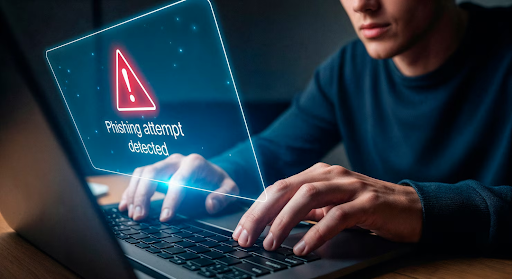
The moment you receive a notification regarding a breach, the first thing that comes to mind is that it could be an interruption in your life. No matter whether it is your financial information, your usernames and passwords, or your identification information, you need to act on it immediately. This will help you reduce any chances of being the victim of fraud or identity theft. Below are six things that you need to do right away.
Verify the Legitimacy of the Breach Notification
Verify first that the alert is legitimate before proceeding with any steps. Cybercriminals sometimes take advantage of people’s fear by creating fake alerts meant to make victims divulge private details. Check for any clues that the message may be a form of phishing attack, including unusual email addresses, hyperlinks or a demand for quick action. Rather than following any links in the message, go directly to the company’s website by entering the URL in the web browser window. This way, there is no need to risk accessing any malware through hyperlinks found in the message. Then, determine what kind of information was stolen.
Change Your Passwords Immediately
In the event of a possible compromise of user login details, the next step should be to change your password. Begin by changing the password for the compromised account and any other account where the same password was used. Using the same user login credentials to gain entry into multiple sites is risky since the attacker is likely to try to break into all the other accounts too. It is advised that you use complex passwords made up of letters and numbers. To simplify the process and reduce the risk of reuse, use a dependable password manager for securely storing and sharing your credentials. This approach ensures that each account has a distinct password while minimizing the burden of remembering them all.
Enable Two-Factor Authentication (2FA)
Adding yet another layer of security to your accounts will minimize the chances of being hacked. Two-factor authentication involves a need for two kinds of verification before gaining access, such as entering a code that is sent to your phone number or using authentication software. Even if a hacker gains access to your password, he or she still needs to enter the second kind of authentication. Two-factor authentication should be enabled wherever possible, especially for important accounts such as email, online banking, and social networking sites. Preferably, choose authentication applications instead of using SMS codes. This simple measure significantly enhances overall account security.
Monitor Financial Accounts and Credit Activity
Once there is a breach, you should carefully monitor all your financial transactions for any signs of suspicious transactions. You should review all your bank statements and credit card activities, including your online payment activities, and look out for any suspicious activities that might be going on. In most cases, hackers will first try their luck by making small transactions using the stolen information to test the waters. It might be advisable to set up real-time alerts from your bank whenever there is activity in your bank account. In case the hacker gains access to your personally identifiable information, like your social security number, you should review your credit report for any signs of new accounts.
Be Alert for Phishing and Social Engineering Attacks
A data breach will cause the perpetrators to launch targeted scams. The attackers could use the leaked information to send out convincing emails, messages, or calls pretending to be genuine communication from the concerned entity. Such attempts might tempt you to divulge more sensitive information or install malware on your computer. Be careful whenever you receive unexpected communications. Do not open or download any suspicious links or attachments. Always contact the respective party through its authentic means to confirm if such a request is genuine. Remaining vigilant reduces the risk of further compromise and helps protect your data from additional exposure.
Secure and Update Your Devices
Securing your devices is yet another crucial step. Always keep your operating systems, applications, and security software updated. This will ensure that you stay protected from new bugs or flaws that hackers use to penetrate your computer network. Perform a scan on your computer using antivirus software to detect any malicious threats. Should you feel that your system has been breached, it might be wise to wipe it clean and restore it to factory settings after saving all vital information. Also, always check application permissions and get rid of unneeded applications.
When you receive a notice regarding a data breach, it should be addressed promptly; however, there are ways in which you can lessen the damage if you respond systematically to the situation. To do this, you must validate the warning, protect your accounts, enhance your credentials, monitor your finances, watch out for fraud, and guard your device. Although data breaches happen frequently today, there is much that you can do to prevent such incidents from affecting you adversely.
