
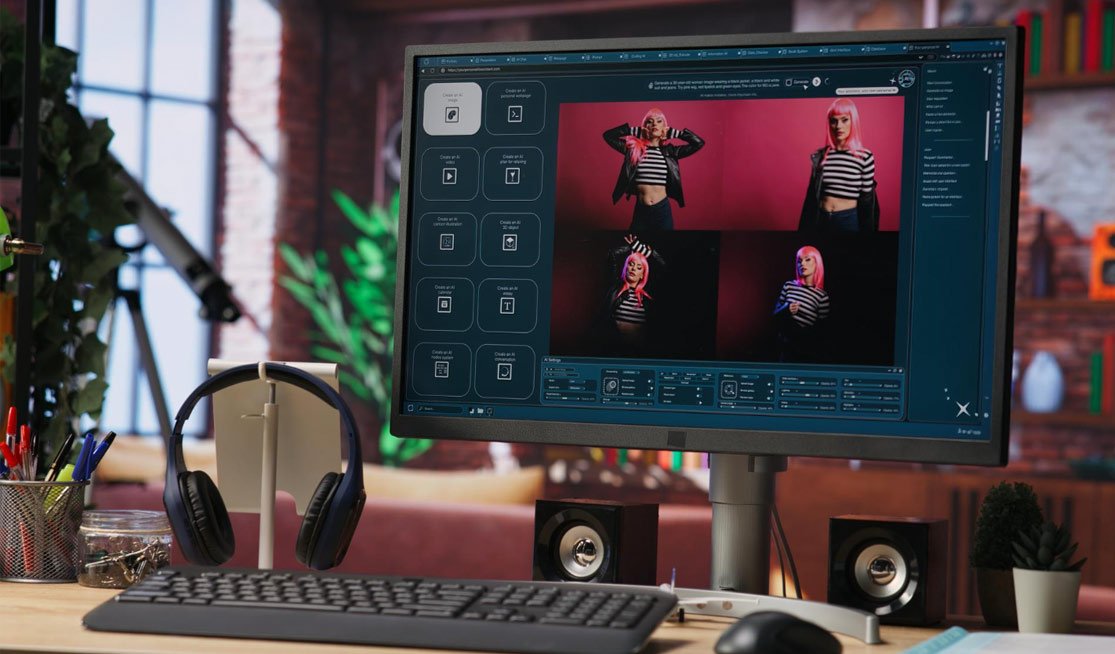
Creating videos consistently has become a necessity for brands, marketers, educators, and creators. From social media and product explainers to internal training and thought leadership, video is no longer optional. The challenge, however, lies in producing high-quality videos at scale without expanding budgets, teams, or timelines.
This is where AI video generator tools step in. By automating scripting, visuals, voiceovers, subtitles, and editing workflows, these platforms significantly reduce the effort required to produce videos while maintaining quality. In this blog, we explore seven AI video generator tools that help streamline video creation for large-scale needs, starting with invideo, followed by other notable platforms worth considering.
Why AI Video Generators Matter for Scaled Content Creation
As video consumption continues to rise, the pressure to produce more content across multiple channels has increased. Manual video production often involves multiple tools, specialists, and time-intensive processes. AI video generators simplify this by combining automation with creative flexibility.
Whether you’re managing a content calendar, launching campaigns across regions, or producing recurring video formats, AI-driven tools help maintain consistency, speed, and efficiency. Many modern platforms also allow users to adapt content quickly for different platforms without starting from scratch, making them ideal for teams working at scale.
1. Invideo
Invideo stands out as a comprehensive AI video generator designed to simplify video creation for a wide range of use cases. It helps individuals and teams create AI video content at scale by reducing the complexity of turning ideas into finished videos. With invideo, users can move beyond traditional editing workflows and rely on AI-powered automation to transform simple prompts into structured, publish-ready videos efficiently.
How Invideo Approaches AI-Driven Video Creation
At its core, invideo allows users to prompt a video idea in plain language. From there, its AI video generator writes a script, adds visuals generated with AI, includes voiceovers, subtitles, background music, and assembles everything into a complete video.
Rather than requiring advanced editing skills, invideo emphasizes idea-first creation. Users can describe what they want to say, the tone they’re aiming for, and the audience they’re targeting, and the system builds the video accordingly.
Creating Videos at Scale with Invideo
One of the key advantages of invideo is how easily it fits into high-volume content workflows. Teams producing videos regularly—such as marketing departments, agencies, or educators—can rely on the platform to maintain consistent quality while speeding up turnaround times.
For example, when teams want to create AI video content across multiple topics or campaigns, invideo helps standardize the production process without making the videos feel repetitive. This balance between automation and creative control is especially useful when scaling video output.
Where Invideo Fits Best
Invideo works well for explainer videos, social media clips, promotional content, educational videos, and internal communications. It’s particularly useful for users who want to create AI video content without diving into complex editing tools. The experience feels closer to working with an AI-assisted creative partner than a traditional editor.
2. Clipchamp
Clipchamp is a browser-based video creation platform that blends automation with hands-on editing. While it offers AI-powered features, it also provides manual controls for users who want to fine-tune their videos.
AI Features and Workflow
Clipchamp includes AI tools for generating voiceovers, captions, and quick edits. These features help speed up common tasks such as trimming clips, adding text, and adjusting audio. The platform is well suited for users who want AI assistance without fully handing over creative decisions.
Use Cases for Scaled Video Production
Clipchamp is often used for social media videos, short promotional clips, and internal business content. Teams creating recurring video formats can rely on its automation tools to maintain consistency while still customizing individual videos as needed.
3. Wave.video
Wave.video combines video creation, editing, and hosting into a single platform. It focuses on helping users produce videos efficiently while managing distribution across multiple channels.
AI-Assisted Video Creation
Wave.video offers AI-driven features such as automatic captions, text-to-speech, and smart resizing for different platforms. These tools reduce repetitive tasks, making it easier to adapt one video into multiple formats.
Scaling Content Across Platforms
For businesses publishing videos across websites, social platforms, and email campaigns, Wave.video simplifies the process by centralizing creation and distribution. Its AI tools support faster production without sacrificing control over branding and messaging.
4. Moovly
Moovly is designed for users who want a balance between automation and customization. It supports a variety of content types, including marketing videos, training materials, and presentations.
AI Capabilities in Moovly
Moovly uses AI to assist with voiceovers, image suggestions, and content structuring. These features help users assemble videos more quickly, especially when working with text-heavy material.
Ideal Use Cases
Moovly is well suited for educational institutions, corporate training teams, and organizations that need to produce instructional videos at scale. Its AI assistance helps reduce production time while keeping content structured and clear.
5. Magisto
Magisto focuses on simplifying video creation through automation. It’s built for users who want fast results without spending time on manual editing decisions.
How Magisto Uses AI
Magisto analyzes uploaded media and automatically selects highlights, transitions, and music to create finished videos. This approach works well for quick content creation where speed is more important than granular control.
Best Fit for High-Volume Content
Magisto is commonly used by small businesses and creators who need to publish videos frequently, especially for social media. Its AI-driven workflow allows users to maintain a steady output without complex editing processes.
6. Biteable
Biteable is known for its straightforward approach to video creation. It emphasizes clarity, simplicity, and speed, making it a practical option for teams with limited production resources.
AI-Driven Enhancements
Biteable uses AI to streamline scene creation, text animations, and transitions. These features help users assemble videos quickly while maintaining a polished look.
Scaling Video for Marketing and Communication
Biteable works well for internal communications, product updates, and marketing announcements. Teams producing recurring videos can rely on its AI assistance to reduce repetitive work and stay on schedule.
7. Typito
Typito is a video creation platform that places strong emphasis on text-based storytelling. It’s particularly useful for videos that rely heavily on captions and on-screen messaging.
AI Support for Text-First Videos
Typito includes AI-powered captioning and formatting tools that make it easier to turn scripts or blog content into videos. This is especially helpful for accessibility-focused content and silent autoplay environments.
When Typito Makes Sense
Typito is a good fit for publishers, marketers, and educators who want to repurpose written content into video form. Its AI tools support faster conversion from text to video, helping teams scale content output efficiently.
Choosing the Right AI Video Generator Tool
Selecting the right tool depends on your goals, team structure, and volume of content. Some platforms focus more on automation, while others allow deeper customization. Understanding your workflow requirements is key to making the right choice.
If your priority is idea-to-video speed with minimal manual effort, tools like invideo offer a streamlined experience where prompting an idea can result in a complete video. For teams that want more hands-on control with AI assistance, platforms like Clipchamp or Moovly may be a better fit.
It’s also important to consider how the tool fits into your existing content ecosystem. An AI video maker app that integrates smoothly with your publishing channels can significantly reduce friction when scaling production.
Final Thoughts
AI video generator tools have transformed how videos are created at scale. What once required extensive resources can now be achieved with smaller teams and tighter timelines. From idea generation and scripting to visuals, voiceovers, and subtitles, AI continues to remove barriers from the video creation process.
As video demand continues to grow, choosing the right AI-powered platform can make a meaningful difference in consistency, speed, and overall output. Whether you’re producing marketing videos, educational content, or internal communications, these tools provide flexible options to support scalable video strategies without overwhelming production workflows.