
Introduction
The process of maintaining, purchasing, or developing properties involves numerous responsibilities that extend beyond simple aesthetics or basic functionality. One of the most critical steps in property management, real estate transactions, and construction projects is the execution of comprehensive building inspections. These inspections serve as an essential mechanism for assessing the structural integrity, safety standards, and regulatory compliance of buildings, ensuring that they meet established codes and function properly over time. Without careful evaluation, property owners, developers, and investors expose themselves to substantial risks, including structural failures, legal liabilities, and unforeseen financial burdens.
This article delves into the importance of building inspections, examining their key components, the processes involved, their role in various industries, and the benefits they provide in terms of safety, cost savings, and long-term property management. By understanding the scope and value of building inspections, stakeholders can make informed decisions that protect both occupants and property investments, ensuring sustainable, safe, and compliant structures.
Understanding Building Inspections
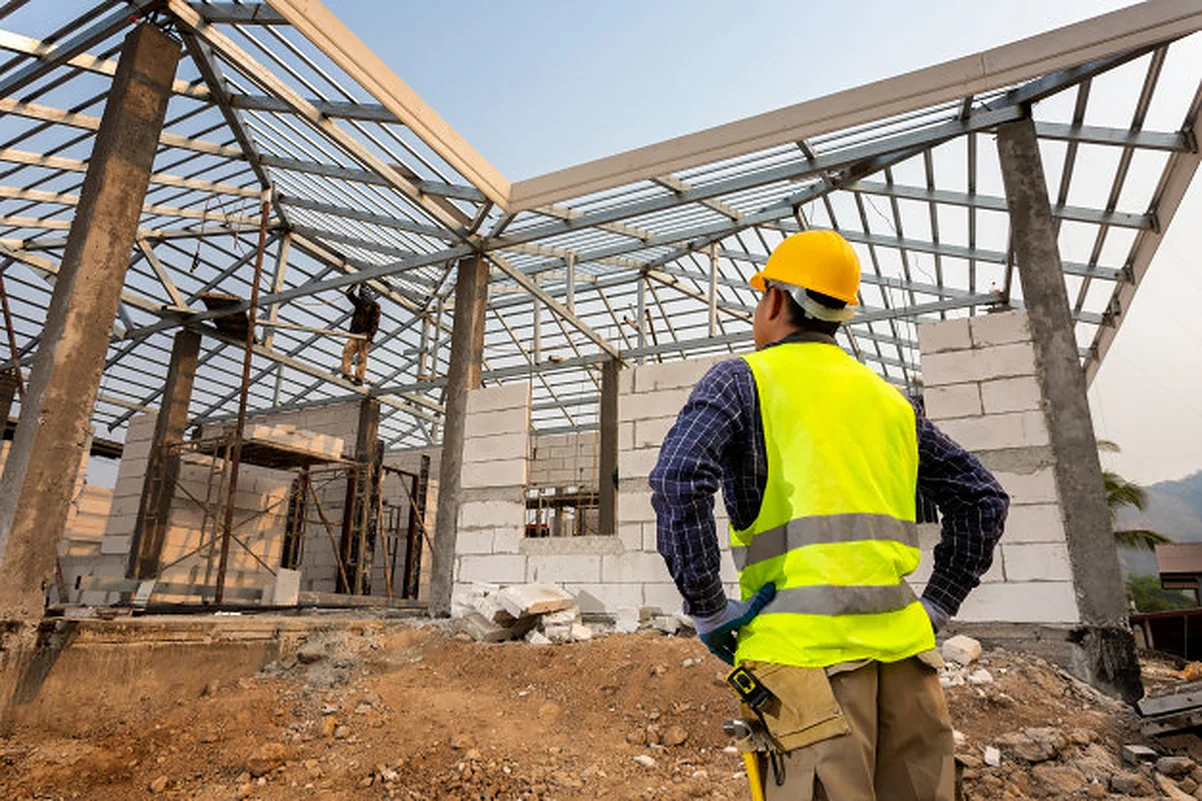
Building inspections are systematic evaluations conducted to assess the overall condition, safety, and compliance of a building with established construction codes and standards. They are performed at different stages, such as during construction, before property transactions, or as part of routine maintenance for existing structures. The primary purpose of building inspections is to identify potential issues that could compromise safety, functionality, or compliance, enabling timely corrective action before minor problems escalate into major hazards.
A thorough building inspection examines a wide range of structural and operational elements, including the foundation, framing, electrical systems, plumbing, roofing, heating and cooling systems, insulation, and overall construction quality. Inspectors also evaluate adherence to local building codes and industry standards, ensuring that the property is safe for occupancy and suitable for its intended purpose. By providing a detailed assessment of the property’s condition, building inspections serve as a critical decision-making tool for property owners, buyers, developers, and regulatory authorities.
The Importance of Building Inspections
Ensuring Structural Safety and Integrity
One of the primary objectives of building inspections is to verify the structural safety and integrity of a property. Structural components such as foundations, load-bearing walls, beams, and roofing systems are examined for signs of stress, damage, or deterioration that could compromise the building’s stability. Identifying issues such as cracks, uneven settlement, water damage, or termite infestations at an early stage allows for timely intervention, preventing catastrophic failures that could endanger occupants and result in significant repair costs.
Compliance with Regulatory Standards
Buildings must adhere to a variety of codes and regulations designed to promote safety, energy efficiency, and accessibility. These codes encompass aspects such as electrical systems, fire safety measures, plumbing standards, and structural load capacities. A building inspection ensures that all aspects of the property conform to these standards, reducing the risk of fines, legal liabilities, and delays in obtaining necessary permits or approvals. By confirming compliance, inspections provide confidence to stakeholders that the property meets current legal and safety requirements.
Preventive Maintenance and Cost Savings
Regular building inspections offer substantial economic benefits by identifying maintenance needs before they escalate into major repairs. Detecting issues such as minor leaks, electrical faults, or roof deterioration early enables property owners to take corrective action promptly, which is often far less costly than addressing advanced damage. In addition, inspections provide a detailed record of the property’s condition over time, supporting proactive maintenance schedules, extending the lifespan of building systems, and ultimately preserving or enhancing property value.
Enhancing Property Value and Marketability
For individuals or companies involved in property transactions, building inspections are essential for assessing value and making informed decisions. A detailed inspection report provides transparency regarding the condition of the property, offering potential buyers confidence in their investment and allowing sellers to justify pricing based on documented property quality. Furthermore, properties with verified compliance and well-maintained systems are more attractive to investors and tenants, enhancing marketability and long-term profitability.
Key Components of Building Inspections
A comprehensive building inspection covers multiple aspects of a property, examining each component for safety, functionality, and adherence to standards. These key components typically include:
- Structural Evaluation: Assessing the foundation, framing, walls, floors, and roof for integrity, alignment, and signs of stress, deterioration, or damage.
- Electrical Systems: Examining wiring, outlets, circuit breakers, and electrical panels for safety compliance, proper installation, and operational efficiency.
- Plumbing Systems: Checking pipes, fixtures, drainage, and water supply systems for leaks, corrosion, blockages, or noncompliance with plumbing codes.
- Heating, Ventilation, and Air Conditioning (HVAC): Evaluating system performance, energy efficiency, and safety, including inspection of furnaces, air conditioners, ductwork, and ventilation systems.
- Roofing and Exterior: Inspecting the roof for leaks, structural weakness, or wear; assessing siding, windows, doors, and exterior drainage systems.
- Interior Systems and Finishes: Assessing walls, ceilings, flooring, insulation, and finishes for damage, wear, or noncompliance with building standards.
- Safety and Accessibility: Verifying fire safety systems, emergency exits, lighting, and accessibility measures for compliance with relevant safety regulations.
The Process of Building Inspections
The process of conducting a building inspection typically begins with a pre-inspection review, during which inspectors gather background information about the property, including blueprints, previous inspection reports, and maintenance records. Following this review, inspectors perform a detailed, on-site evaluation, systematically examining all structural, mechanical, and safety systems according to standardized checklists.
During the inspection, the professional documents findings, photographs, and notes regarding areas that require repair, maintenance, or further evaluation. After completing the assessment, the inspector compiles a comprehensive report that outlines the property’s condition, highlights critical issues, and provides recommendations for remediation or improvement. This report serves as an essential reference for property owners, prospective buyers, developers, and regulatory authorities, guiding decision-making and ensuring that corrective actions are implemented promptly.
Industries and Stakeholders That Benefit from Building Inspections
Building inspections are vital across multiple industries and for a diverse set of stakeholders. In real estate, inspections provide buyers and sellers with reliable information about property condition, enabling transparent negotiations and informed investment decisions. For construction and development companies, inspections ensure compliance with design specifications, building codes, and safety standards, preventing costly errors or delays during construction phases.
Property management companies rely on regular inspections to monitor the condition of rental properties, address maintenance issues proactively, and enhance tenant safety and satisfaction. Additionally, insurance companies often require inspection reports to assess risk and determine coverage, while lenders may request inspections to validate collateral integrity before approving financing. In all cases, inspections provide assurance, transparency, and a foundation for responsible decision-making.
Benefits of Regular and Comprehensive Building Inspections
Regular building inspections provide several long-term advantages beyond immediate safety and compliance. They allow property owners to establish a maintenance plan that reduces the likelihood of emergency repairs, extend the operational lifespan of building systems, and maintain consistent property value. Inspections also enhance risk management by documenting the condition of a property, which can be critical in legal disputes, insurance claims, or warranty issues.
Moreover, inspections promote a culture of proactive management, encouraging owners and facility managers to address issues promptly, prioritize repairs strategically, and allocate budgets effectively. This forward-looking approach reduces unexpected costs, prevents disruptions to operations, and ensures that occupants enjoy safe and well-maintained environments.
Selecting a Qualified Building Inspector
Choosing a qualified professional for conducting building inspections is essential to ensure accuracy, reliability, and comprehensive coverage. Factors to consider include:
- Certification and Licensing: Inspectors should hold relevant professional credentials and meet licensing requirements established by governing authorities.
- Experience and Expertise: Professionals with extensive experience in evaluating a variety of property types and construction methods are more likely to provide accurate assessments.
- Thoroughness and Communication Skills: Inspectors should demonstrate meticulous attention to detail and provide clear, detailed reports that are easily understood by non-experts.
- Reputation and References: Positive reviews and professional references provide confidence in the inspector’s reliability and quality of work.
Conclusion
Comprehensive building inspections are a fundamental component of responsible property management, real estate transactions, and construction oversight. They ensure that structures are safe, compliant with regulations, and maintained effectively over time, protecting occupants and property owners from potential hazards and costly surprises. By evaluating structural integrity, mechanical systems, safety measures, and overall functionality, inspections provide a transparent assessment that informs decision-making, supports proactive maintenance, and enhances property value.
Property owners, investors, developers, and managers who prioritize building inspections benefit from reduced risk, greater operational efficiency, and long-term financial savings. By engaging qualified professionals to conduct thorough inspections, stakeholders can ensure that properties remain safe, functional, and compliant, creating environments that protect both people and investments while fostering sustainable property management practices. Ultimately, building inspections are not just a procedural requirement they are an essential safeguard for the long-term success and reliability of any property.
