
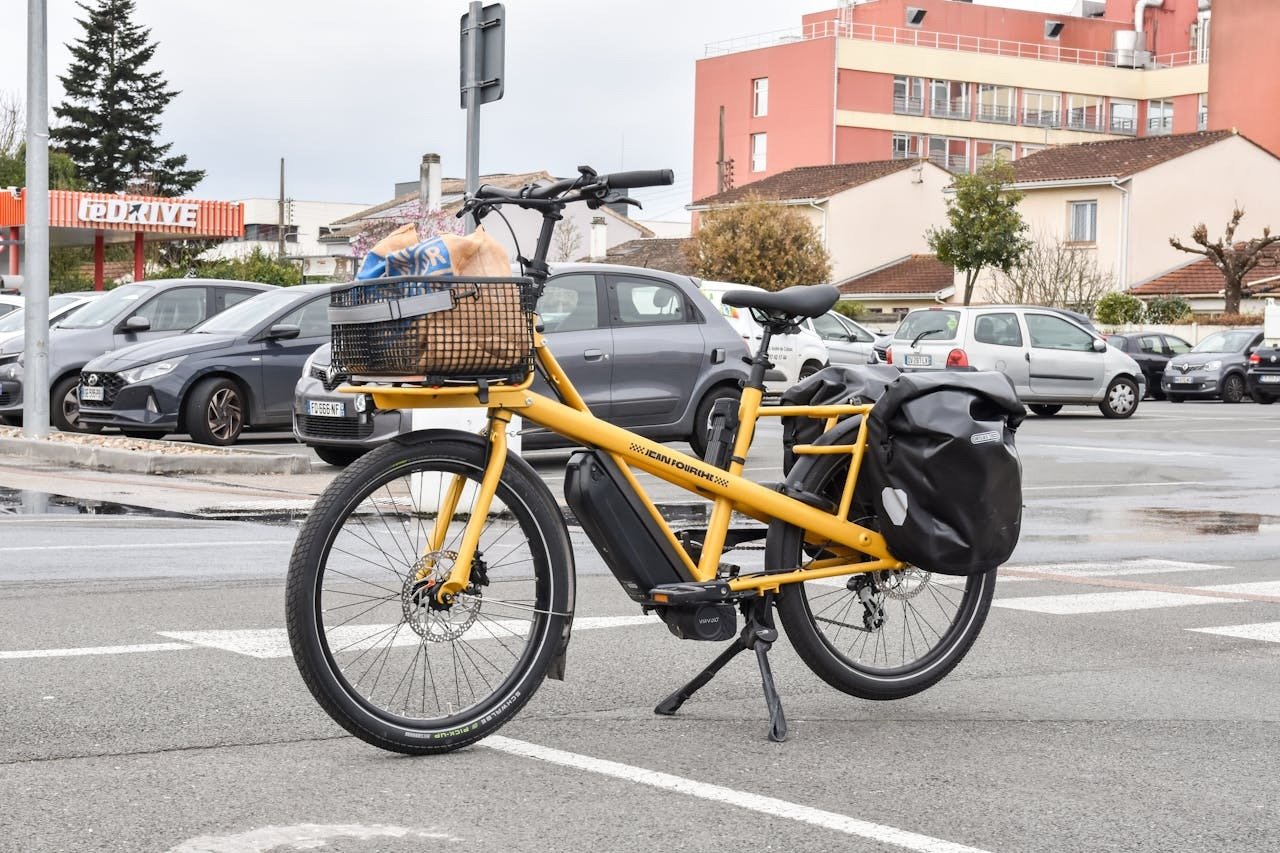
Electric bicycles have completely revolutionized how people get around their cities, offering a practical alternative that’s changing the face of urban transportation. What’s remarkable is how quickly this shift has happened, over the past decade, e-bikes have gone from quirky novelties to legitimate transportation solutions that tackle multiple city challenges at once. Their appeal lies in a sweet spot that traditional bikes never quite hit: they deliver the health benefits of cycling while adding just enough motorized assistance to make longer trips actually doable. Cities around the globe have watched e-bike adoption skyrocket, with sales doubling or even tripling year after year in many markets. This isn’t just another passing trend. It represents a fundamental rethinking of how communities approach getting around locally and building sustainable transportation networks.
Breaking Down Barriers to Cycling Adoption
Traditional bicycles have always struggled with adoption barriers that e-bikes simply sweep aside, opening up cycling to people who never considered it before. The pedal-assist technology means riders can tackle hills and cover longer distances without showing up drenched in sweat, which, let’s be honest, was a major dealbreaker for commuters. Older adults and people with physical limitations have found e-bikes particularly liberating, since the electric motor makes up for reduced stamina while still providing genuine exercise benefits. Maintaining consistent speeds without exhausting yourself makes e-bikes workable for professional settings where appearance matters. Beyond that, e, bikes have democratized cycling by removing the fitness prerequisite that scared off countless potential riders. This inclusivity has dramatically expanded who rides bikes, now you’ll see parents hauling kids, delivery workers managing cargo, and commuters covering distances that would’ve been laughable for conventional bikes.
Environmental and Economic Advantages
E-bikes deliver substantial environmental wins compared to car-dependent systems, contributing to cleaner air and slashed carbon emissions in urban areas. Here’s a striking comparison: a single e-bike produces roughly 2. 5 grams of CO2 per kilometer traveled, while the average gas-powered car pumps out 271 grams, that’s a massive reduction in individual carbon footprints. The economic benefits run deeper than just environmental considerations, though.
Transforming the Last-Mile Transportation Challenge
The notorious last-mile problem, that awkward final stretch from public transit to your actual destination, has finally met its match in e-bikes. Traditional transit systems often dump riders with inconvenient walks from stations, which discourages people from ditching their cars. E-bikes bridge this gap beautifully, letting commuters combine train or bus travel with nimble, flexible bicycle transport for whatever distance remains. Many cities have rolled out bike-share programs featuring electric bicycles stationed near transit hubs, creating integrated networks that maximize both efficiency and convenience. Whether you’re visiting or just exploring without ownership commitment, Houston ebike rental services provide flexible access to electric bicycles that make navigating sprawling metro areas much more manageable. This integration has proven especially transformative in suburban areas where transit stops are spaced farther apart and walking becomes genuinely impractical. Businesses have caught on too, many now install charging stations and secure bike parking to accommodate employees who ride e-bikes, further encouraging sustainable commuting.
Reshaping Urban Planning and Infrastructure
The e-bike boom has pushed cities to completely rethink their infrastructure priorities, fast-tracking development of protected bike lanes and dedicated cycling pathways. Urban planners increasingly recognize that e-bikes need different considerations than traditional bicycles, wider lanes to handle higher speeds and increased traffic volume, for starters. Cities implementing comprehensive cycling infrastructure report dramatic ridership increases, creating positive feedback loops that justify even more investment in bike-friendly design. E-bikes have strengthened advocacy for complete streets policies that give pedestrians and cyclists equal priority alongside cars. Parking infrastructure is evolving alongside, secure charging stations and weather-protected bike parking are becoming standard features in modern developments. This transformation goes beyond physical changes, though. It’s influencing zoning laws, building codes, and transportation planning frameworks that’ll shape how cities function for decades.
Conclusion
E, bikes have fundamentally transformed local transportation by making cycling accessible, practical, and genuinely appealing to more people than ever before, across all kinds of demographics and locations. The convergence of environmental benefits, economic advantages, and technological innovation positions e-bikes as central pillars of sustainable urban mobility strategies worldwide. As batteries keep improving and cities continue building supportive infrastructure, e-bikes will likely become even more essential to solving transportation challenges.
