
A chemical transfer line shuts down in the middle of a shift. The pump casing shows early signs of corrosion, the flow rate has dropped, and operators notice small leaks around the seals. Production slows, maintenance is called in, and suddenly a simple pump choice turns into lost time and safety concerns. Situations like this are more common than most plants admit.
Chemical handling is not forgiving. Engineers deal with aggressive acids, flammable solvents, thick slurries, and strict safety requirements. A pump that works fine for water may fail quickly when exposed to corrosive or high-viscosity fluids. Pressure instability, material breakdown, and air leaks can all create bigger operational risks.
That is why pneumatic pumps are widely used in chemical transfer systems. They offer spark-free operation, strong material flexibility, and reliable performance in demanding environments. The key is selecting the right one for your specific application, and that is exactly what this guide will help you do.
What Are Pneumatic Pumps and How Do They Work?
Pneumatic pumps use compressed air to move fluids from one point to another. Instead of relying on an electric motor, they convert air pressure into mechanical motion to transfer chemicals safely and efficiently.
How the System Moves Fluid
At the core, compressed air powers either a diaphragm or a piston inside the pump. As air enters one chamber, it pushes the diaphragm outward. This creates suction on one side and discharge on the other.
Here’s the simple working logic:
- Compressed air enters the air chamber
- The diaphragm or piston moves back and forth
- Check valves open and close automatically
- Fluid is pulled in, then pushed out
Because there is no electric motor, the system avoids spark risk and reduces electrical complexity. The reciprocating motion keeps the fluid moving steadily through the pipeline.
Types Commonly Used in Chemical Plants
In chemical facilities, two designs are most common:
- Air-Operated Double Diaphragm, AODD, pumps
- Air-driven piston pumps
AODD pumps are widely used for transferring aggressive fluids. For example, an AODD pump can safely move acid from a storage tank to a processing unit without exposing operators to leakage risks. The design is simple, rugged, and built for demanding environments.
Why Pneumatic Pumps Work So Well for Chemical Transfer
Chemical transfer is not just about moving liquid. It is about doing it safely, consistently, and without damaging equipment. High-quality pneumatic pumps for chemicals perform well in these conditions because they are mechanically simple and adaptable to harsh fluids.
Safe in Flammable Environments
One major advantage is safety.
- No electrical sparks
- No motor overheating
- Reduced ignition risk
This makes pneumatic pumps suitable for handling flammable solvents in chemical blending or paint manufacturing plants. In areas where vapor buildup is possible, removing electrical components adds an extra layer of protection.
Can Run Dry
Many pneumatic diaphragm pumps can operate without liquid for short periods.
This is helpful during:
- Tank changeovers
- Start-up and shutdown cycles
- Unexpected supply interruptions
Running dry does not usually damage the pump, unlike many centrifugal pumps.
Handles Thick and Corrosive Fluids
Pneumatic pumps are well-suited for:
- Strong acids and alkalis
- Chemical slurries
- High-viscosity fluids
In wastewater treatment plants, for example, slurry movement requires pumps that tolerate solids without clogging easily. Compared to centrifugal pumps, pneumatic diaphragm systems often maintain better performance when fluid thickness increases.
Key Factors to Consider Before Choosing a Pneumatic Pump
Selecting a pneumatic pump should not be based on price alone. Engineers must evaluate chemical properties, system demands, and operating conditions to avoid long-term problems.
Chemical Compatibility
Material selection is critical.
Common pump body materials include:
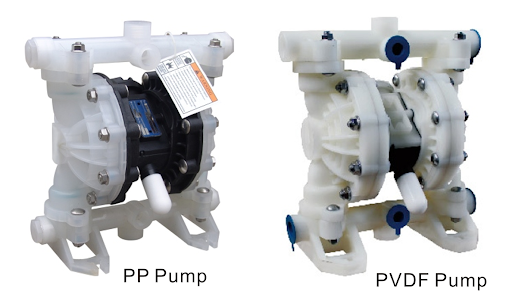
- Polypropylene, PP
- PVDF
- Stainless steel
Diaphragms are often made from:
- PTFE
- EPDM
Always review manufacturer compatibility charts before finalizing your choice. For example, using an aluminum pump for strong acid transfer can lead to rapid corrosion and leakage. Matching the right material to the chemical protects both equipment and personnel.
Required Flow Rate and Pressure
Ask practical questions:
- How many liters per minute are required?
- What discharge pressure must the pump overcome?
- What is the available air pressure?
Many industrial compressed air systems operate between 80 and 120 PSI. If the air supply is undersized, the pump may struggle to maintain stable flow. This results in pulsation issues, pressure drops, and reduced efficiency.
Fluid Thickness and Solids
Viscosity directly affects performance.
- Higher viscosity usually means lower flow rate
- Slurry applications require suitable valve design
- Large solids may block standard check valves
Understanding the chemical’s physical behavior helps prevent clogging and uneven discharge.
Installation Conditions
Environmental factors also matter.
Consider:
- Indoor or outdoor placement
- Temperature exposure
- Available installation space
- Noise limits in the facility
A compact pump may be necessary in tight skid systems, while outdoor installations may require weather-resistant materials. Evaluating these conditions early prevents costly adjustments later.
Pneumatic vs Electric Pumps in Chemical Applications
Choosing between pneumatic and electric pumps depends on safety requirements, operating conditions, and long-term cost considerations. Both technologies have their place in industrial fluid handling systems, but the right choice depends on the environment and the chemical being transferred.
Safety
In hazardous zones, pneumatic pumps offer a clear advantage. They operate without electrical sparks, which reduces ignition risk when handling flammable solvents or volatile chemicals.
Electric pumps work well in controlled environments where explosion risk is minimal and proper electrical protection systems are in place.
Maintenance
Pneumatic systems have fewer electrical components, so they avoid common motor or wiring failures. Maintenance typically focuses on diaphragms, valves, and air systems.
Electric pumps may require additional attention for motor wear, insulation checks, and electrical troubleshooting.
Operating Cost
Electric pumps are often more energy-efficient for continuous operation. Pneumatic pump efficiency depends heavily on compressor performance and air system design.
For the complete article, a small comparison table can help readers quickly evaluate differences.
Common Mistakes Engineers Should Avoid
Even experienced engineers can overlook small details during pump selection. These mistakes often lead to performance issues later.
Common errors include:
- Choosing a pump based only on purchase price
- Ignoring available air supply capacity
- Skipping chemical compatibility checks
- Forgetting to manage pulsation
- Not keeping spare diaphragm kits on site
For example, if the compressor is too small, the pump may struggle to maintain steady pressure. This can cause flow instability, uneven discharge, and unnecessary wear on internal components.
A careful review of system requirements before purchase often guided by the technical expertise of industrial pumping specialists like Korax prevents most of these issues and ensures long-term operational success.
Maintenance Tips for Long-Term Reliability
A pneumatic pump can run reliably for years if it is maintained properly. Preventive maintenance is far less expensive than emergency downtime.
Focus on a few key practices:
- Inspect diaphragms regularly for wear or cracking
- Keep air filters and regulators clean
- Monitor pressure drops across the system
- Store spare repair kits on site for quick replacement
Routine checks help detect early warning signs before they turn into major failures. A stable air supply and timely part replacement reduce production interruptions and extend overall pump life.
Where Pneumatic Pumps Are Commonly Used
Pneumatic pumps are found across many industrial sectors where chemical transfer requires safety and durability.
Typical applications include:
- Acid transfer in chemical processing facilities
- Solvent movement in paint and coating factories
- Sludge handling in wastewater treatment plants
- Chemical dosing systems in water treatment operations
Their ability to handle corrosive fluids, thick mixtures, and hazardous environments makes them a dependable choice in demanding industrial settings.
Conclusion
Selecting the right pneumatic pump is not just about moving liquid from one tank to another. It is about protecting people, equipment, and production schedules.
Safety should always come first. Match pump materials carefully with the chemical being handled. Confirm that your compressed air system can support the required flow and pressure. Think beyond the upfront purchase cost and consider long-term reliability and maintenance.
Before making a final decision, review your system specifications in detail. A well-chosen pneumatic pump improves plant safety, reduces downtime, and keeps operations running smoothly for years.
