
The idea began with frustration rather than romance. Central London has no shortage of South Asian food, yet much of it still sits in the predictable mould of the British curry house. I wanted to open a Pakistani restaurant that felt current without losing depth, one that treated karahi, nihari and chapli kebab with the same respect that Soho trattorias give handmade pasta. I also wanted it in the centre, not on the edges of the city where rent is cheaper and expectations lower. That decision shaped everything that followed, from cost pressures to legal complexity.
Choosing Central London Over Safer Ground
The first serious decision was location. Brick Lane has history and footfall, but it is saturated and price-driven. Tooting offers loyal local trade, but limited tourist exposure. Soho, Covent Garden and Fitzrovia promise high visibility, office workers, theatre crowds and destination diners. They also demand higher rent, higher wages and higher standards.
I focused on Soho and Fitzrovia because both attract a mixed audience: creative agencies, international visitors and Londoners who dine out regularly. Commercial agents quoted rents between £95 and £140 per square foot for suitable ground-floor sites of 1,500 to 2,000 square feet. For a 70-seat restaurant, annual rent ranged from £180,000 to £260,000. Landlords asked for three to six months’ rent as a deposit, plus legal fees and a rent-free period that rarely exceeded three months.
The numbers forced clarity. With rent alone exceeding £15,000 per month, the restaurant would need weekly takings of at least £35,000 to sustain operations once payroll, utilities and cost of goods were included. That meant an average spend of £35 to £45 per head, assuming two turns on Friday and Saturday and one to one and a half turns on weekdays. Pricing had to match central London expectations without alienating customers familiar with lower curry house prices elsewhere.
Securing the Premises and Understanding the Lease
The property I eventually chose sat on a side street off Wardour Street. It had previously traded as a small Mediterranean restaurant and came with partial kitchen infrastructure. The lease was ten years with a break clause at year five. Rent was £210,000 per annum, with an upward-only rent review at year five. Business rates were quoted at roughly £60,000 annually before any relief.
Legal fees for lease negotiation and due diligence reached £12,000. Surveyors inspected the building to assess structural integrity, ventilation capacity and compliance with fire regulations. The existing extraction system was inadequate for high-heat Pakistani cooking. Installing a new ducted extraction system, running to roof level, cost £38,000 including planning approval and structural reinforcement.
Fit-out costs quickly escalated. The interior required complete redesign, from flooring to lighting. I allocated £350,000 for full refurbishment, including kitchen equipment, front-of-house finishes and bar installation. Stainless steel counters, commercial tandoor ovens, refrigeration units and dishwashing systems accounted for nearly £120,000. The dining area required flooring, lighting, a custom-built bar, seating and bespoke woodwork. The budget tightened as invoices accumulated.
Registering the Business and Managing Legal Formalities
I incorporated a private limited company to separate personal liability from business risk. Accountants advised on share structure, VAT registration and PAYE setup. Incorporation itself cost little, but professional advice and ongoing accounting support required a retainer of £1,000 per month during the initial phase.
Registering as a food business with Westminster City Council was mandatory at least 28 days before trading. Environmental health officers inspected the premises before opening. They reviewed kitchen layout, food storage procedures, cleaning protocols and pest control contracts. Achieving a five-star food hygiene rating required strict documentation and staff training from the outset.
A premises licence for alcohol became a central issue. Serving alcohol in Soho requires careful negotiation with the licensing authority and local residents. The application process involved public notices, a detailed operating schedule and legal representation at a licensing hearing. Legal support for the application cost £7,500. The licence was granted with conditions, including CCTV coverage, incident logs and restrictions on late-night noise.
Fire safety regulations added another layer. A qualified assessor conducted a fire risk assessment and mandated additional emergency lighting, fire doors and alarm systems. Installation and certification added £14,000 to the fit-out bill. Insurance, covering public liability, employer liability and contents, cost £18,000 annually.
Designing the Menu and Protecting Authenticity
The menu became the restaurant’s core identity. I rejected the predictable path of generic curries in metal bowls. Instead, I focused on regional Pakistani dishes: Lahori chargha, Peshawari chapli kebab, slow-cooked nihari and Sindhi biryani. I included vegetarian options rooted in Pakistani home cooking, such as chana masala and aloo palak, prepared with careful spicing rather than heavy cream.
Ingredient sourcing required precision. Spices were imported through established UK distributors to avoid customs delays. Post-Brexit import rules increased paperwork and occasionally delayed shipments. Halal meat suppliers in London provided consistent quality, but price fluctuations affected margins. Lamb shoulder for nihari varied between £7 and £10 per kilo depending on market conditions.
Food cost percentages needed control. Target food cost was set at 30 to 35 percent of menu price. A dish priced at £18 needed ingredient costs below £6 to remain viable. Portion size became strategic. Generous enough to satisfy, restrained enough to protect margin.
Menu testing took place through small private tastings. Feedback shaped plating, spice levels and presentation. Dishes were refined before print. Printing menus on quality card stock, with updated pricing, cost £1,800 for the initial run.
Recruiting and Retaining Staff in a Competitive Market
Staffing proved more difficult than property negotiation. London hospitality faces constant turnover. Experienced Pakistani chefs are in demand and often already employed. Recruiting a head chef required offering a salary of £48,000 per year plus performance bonuses. Sous chefs earned between £32,000 and £38,000. Commis chefs and kitchen porters were paid in line with London Living Wage, adding pressure to payroll.
Front-of-house staff were recruited for both service skill and cultural fluency. I wanted servers who could explain dishes confidently rather than simply deliver plates. Base salaries combined with tronc distribution structured earnings. Employer National Insurance contributions and pension obligations increased total payroll cost by roughly 15 percent.
Total monthly payroll for a team of 18 staff reached approximately £52,000. Scheduling had to match projected revenue. Overstaffing would erode profit. Understaffing would damage reputation quickly in central London.
Training sessions covered food safety, allergen awareness and service standards. Allergen compliance required precise documentation, separate preparation areas for certain dishes and clear menu labelling. Failure in this area carries severe legal consequences.
Interior Identity and Customer Perception
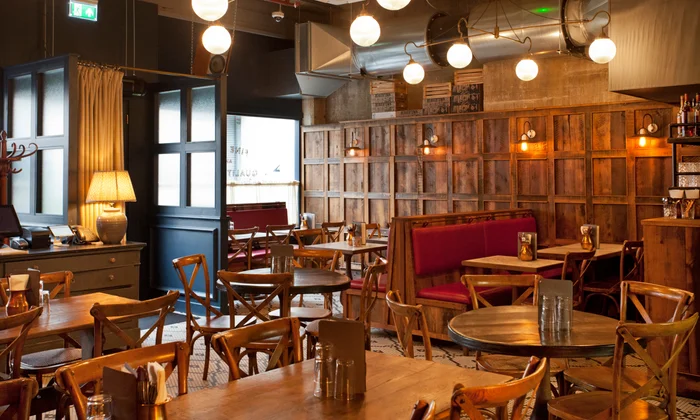
The interior design aimed to balance heritage and modernity. I avoided clichés such as excessive ornamentation or caricatured décor. Instead, the space featured textured plaster walls, subtle geometric patterns and warm lighting. The bar displayed copperware and locally sourced glassware. Seating combined upholstered benches and solid wood restaurant tables arranged to maximise capacity without overcrowding.
Furniture selection balanced durability and aesthetics. Chairs needed to withstand heavy usage while complementing the overall theme. Tables required sufficient space for shared dishes, which are central to Pakistani dining. The total furniture budget, including bespoke elements, reached £42,000.
Brand identity extended beyond décor. A graphic designer developed the logo, typography and colour scheme. Branding fees totalled £9,000. Social media handles were secured early to prevent duplication. Professional photography of dishes and interiors cost £4,500.
Marketing Before the Doors Opened
Marketing began before construction finished. I hired a small PR consultancy on a three-month contract costing £15,000. They coordinated soft-launch invitations to food journalists, local influencers and hospitality professionals. Press releases highlighted the restaurant’s regional focus and contemporary approach.
Social media advertising targeted London postcodes within five miles of Soho. Paid campaigns on Instagram and Google required a budget of roughly £2,000 per month during the opening phase. Website development cost £6,000, including online reservation integration and menu display.
A soft launch week offered discounted menus to test service flow. Early feedback identified delays in the kitchen during peak hours. Adjustments to prep schedules and plating order improved speed.
Opening Week and the First Real Test
Opening week delivered both excitement and strain. Friday evening reached full capacity. Ticket times stretched to 40 minutes at peak. A ventilation fault triggered a temporary kitchen shutdown during one service, highlighting the fragility of operations.
Customer reviews appeared within hours. One three-star review criticised slow service. A detailed response addressed the issue and invited the reviewer back. Online reputation management became a daily responsibility.
Cash flow required constant monitoring. Initial weeks often show strong sales due to novelty. The challenge lies in sustaining them. Daily revenue reports compared actual takings against projections. Utilities, particularly gas for tandoors and electricity for refrigeration, exceeded early estimates.
Six Months of Trading and Financial Reality
Six months after opening, patterns emerged. Weekday lunch trade relied heavily on office workers. Weekend evenings generated the highest margins. January and February proved slower due to post-holiday spending reductions.
Average monthly revenue stabilised at around £145,000. After deducting rent, rates, payroll, utilities, cost of goods and marketing, net profit margins hovered between 8 and 12 percent in stronger months. Any unexpected repair or supplier price spike reduced that margin quickly.
Delivery platforms offered additional revenue but charged commissions of 25 to 35 percent. Menu pricing had to adjust for delivery to avoid losses. Packaging costs increased food cost per order.
Supplier negotiations became ongoing conversations. Bulk purchasing secured small discounts, but cash flow constraints limited stockpiling. Payment terms of 30 days helped manage liquidity.
Facing Ongoing Challenges and Future Decisions
The restaurant now operates with cautious stability. Staff retention remains a priority. Offering career progression and structured bonuses helps reduce turnover. Regular menu updates maintain interest without overcomplicating the kitchen.
Regulatory compliance continues beyond opening. Annual licence renewals, updated risk assessments and tax filings require organisation and professional oversight. Accountants and legal advisors remain integral to operations.
The emotional cost of ownership matches the financial risk. Long hours, constant decision-making and public scrutiny accompany the satisfaction of seeing full dining rooms. Profit alone cannot justify the effort; the concept must carry personal conviction.
Opening a Pakistani restaurant in central London demands more than culinary ambition. It requires capital resilience, legal awareness and operational discipline. The city offers visibility and opportunity, but it punishes miscalculation quickly. Success depends on aligning culture, cost control and consistent service under relentless pressure.
