
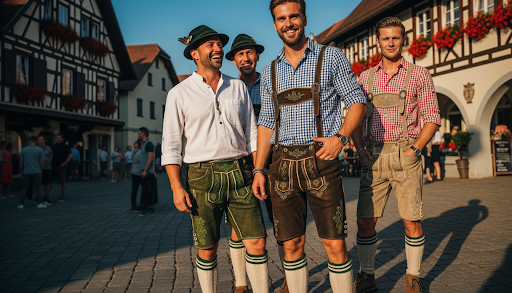
Oktoberfest is more than just a beer festival. It is a cultural celebration that reflects centuries of Bavarian tradition, community spirit, and pride in heritage. Every year, millions of people travel to Munich, Germany, to experience this world-famous event. While beer tents, traditional music, and festive food are major attractions, one of the most recognizable aspects of Oktoberfest is the clothing. Visitors quickly notice men wearing trachten lederhosen and women dressed in elegant women’s oktoberfest dress styles that bring Bavarian culture to life.
These outfits are not simply costumes designed for entertainment. They represent a deep cultural identity that dates back hundreds of years. The garments tell stories of rural life, craftsmanship, and regional traditions that have been preserved through generations. Wearing traditional clothing at Oktoberfest allows people to participate in a cultural experience rather than simply observe it. To truly understand the spirit of the festival, it is important to explore the meaning behind these iconic outfits.
The Origins of Trachten Lederhosen
The term “Tracht” refers to traditional clothing associated with a specific region or cultural group. In Bavaria, Tracht includes garments that were historically worn by rural communities, farmers, and workers. Among the most famous pieces of this traditional clothing is trachten lederhosen, a type of leather shorts that originated in Alpine regions during the 18th century. Lederhosen were originally practical workwear. Farmers, hunters, and laborers needed clothing that could withstand difficult outdoor conditions. Leather proved to be the perfect material because it was strong, flexible, and long-lasting. Workers often spent long days in fields, forests, or mountain areas, so durable clothing was essential. Leather trousers could survive years of hard work without tearing easily, making them ideal for everyday use. The traditional design of trachten lederhosen includes several distinctive features. Most pairs come with suspenders that cross over the shoulders and connect to a decorative chest panel. The shorts are typically embroidered with patterns inspired by nature, such as oak leaves, deer, or alpine flowers. These details were often hand-stitched and sometimes represented regional identity or family craftsmanship. During the 19th century, lederhosen began to transition from work clothing to cultural attire. As cities expanded and modern fashion spread across Europe, traditional rural clothing slowly disappeared from daily life. However, Bavarian cultural organizations recognized the importance of preserving their heritage. These groups promoted traditional clothing at festivals, parades, and community gatherings. This cultural revival played a key role in linking trachten lederhosen with Oktoberfest celebrations. When people attended the festival wearing traditional garments, it created a strong visual representation of Bavarian identity. Over time, lederhosen became the most recognizable clothing for men during the event, symbolizing tradition, pride, and celebration.
The Role of Trachten Lederhosen at Oktoberfest
Walking through Oktoberfest today feels like stepping into a living cultural tradition. Thousands of visitors wear trachten lederhosen, creating an atmosphere that reflects Bavarian heritage. The clothing instantly connects participants to the historical roots of the festival, which began in 1810 as a celebration of a royal wedding in Munich. Men wearing trachten lederhosen often pair them with checkered or white shirts, knee-high wool socks, and traditional Bavarian shoes. Some also wear wool jackets or alpine hats decorated with feathers or pins. Together, these elements form a complete traditional outfit that represents Bavarian craftsmanship and style.
The popularity of lederhosen at Oktoberfest goes beyond aesthetics. Traditional clothing helps create a sense of unity among festival attendees. Locals and visitors alike embrace the opportunity to celebrate Bavarian culture by wearing traditional attire. It becomes a shared experience that connects people from different countries and backgrounds. Folk dances and cultural performances also highlight the importance of traditional clothing. Dancers performing the famous Schuhplattler dance often wear lederhosen while clapping and stomping rhythmically to Bavarian music. These performances demonstrate how clothing, music, and movement work together to preserve cultural heritage. Today, the demand for authentic traditional clothing has grown as Oktoberfest continues to attract global audiences. Many brands focus on maintaining the craftsmanship and authenticity of traditional garments. For example, companies such as Elederhosen offer designs inspired by historical Bavarian attire while adapting them for modern festival-goers who want to experience authentic Tracht fashion.
The Beauty and Tradition of Women’s Oktoberfest Dress
While lederhosen represent traditional clothing for men, women celebrate Oktoberfest with a completely different style. The most popular outfit is the women’s oktoberfest dress, commonly known as a dirndl. This elegant dress has become one of the most recognizable symbols of Bavarian culture and festival fashion.
The dirndl originated in the 19th century as clothing worn by female servants and rural workers. Early versions were simple and practical, designed for everyday tasks such as cooking, cleaning, and farming. The dress typically included a blouse, fitted bodice, full skirt, and apron. This design allowed women to move comfortably while working. Despite its humble beginnings, the dirndl gradually evolved into a fashionable garment. During the late 19th and early 20th centuries, Bavarian aristocrats and urban residents began adopting traditional clothing as a way to celebrate regional identity. Designers started experimenting with fabrics, colors, and decorative details, transforming the simple work dress into a stylish cultural outfit. The modern women’s oktoberfest dress combines traditional structure with fashionable elements. Dirndls are now available in a wide range of styles, from classic designs featuring cotton fabrics and floral patterns to luxurious versions made from silk, velvet, or satin. Lace blouses, embroidered bodices, and decorative aprons add elegance and personality to the outfit. An interesting cultural detail about the dirndl involves the placement of the apron bow. In Bavarian tradition, the position of the bow can indicate a woman’s relationship status. If the bow is tied on the left side, it traditionally signals that the wearer is single. When tied on the right side, it suggests she is married or in a relationship. Although many modern festival-goers treat this tradition playfully, it remains an interesting aspect of dirndl culture.
Women’s Oktoberfest Dress in Modern Festival Culture
At Oktoberfest today, the women’s oktoberfest dress plays a central role in shaping the festival’s visual identity. Walking through the festival grounds, visitors see countless dirndls in vibrant colors and creative designs. Each dress reflects a combination of tradition and personal style. Some women prefer classic dirndls that follow traditional Bavarian patterns and fabrics. Others choose modern interpretations with shorter skirts, bold colors, or contemporary embroidery. This mix of styles allows individuals to celebrate cultural heritage while expressing their own fashion preferences. The dirndl also contributes to the festive atmosphere of Oktoberfest. Bright fabrics, decorative aprons, and elegant blouses create a vibrant environment that complements traditional music and dancing. Together with lederhosen, these outfits transform the festival into a celebration of Bavarian culture that feels both historic and lively. Many visitors travel to Munich specifically to experience the tradition of wearing Tracht clothing. Purchasing or renting a women’s oktoberfest dress has become part of the festival preparation for many attendees. Wearing the dress allows them to fully immerse themselves in the cultural experience rather than simply observing it.
Beyond Oktoberfest, dirndls are also worn at weddings, cultural celebrations, and regional festivals across Bavaria and Austria. This continued use helps preserve the garment as a living tradition rather than a historical relic.
The Cultural Meaning Behind Traditional Oktoberfest Clothing
Traditional Oktoberfest clothing carries deeper cultural significance than many visitors initially realize. Both trachten lederhosen and women’s oktoberfest dress styles represent a connection to Bavarian history and community values. They remind people of the region’s rural roots, craftsmanship, and shared traditions.
In Bavaria, cultural heritage is often preserved through festivals, music, and clothing. Traditional garments allow people to visually express their pride in their regional identity. Even younger generations continue to wear Tracht clothing, demonstrating that these traditions remain relevant in modern society. The global popularity of Oktoberfest has also helped spread Bavarian culture around the world. Cities in the United States, Canada, Australia, and many other countries host their own Oktoberfest celebrations each year. Participants often wear lederhosen and dirndls to recreate the atmosphere of the Munich festival.
This international adoption shows how powerful cultural symbols can become when they represent joy, celebration, and shared traditions. Lederhosen and dirndls are no longer limited to Bavaria. They have become global icons of festivity and cultural heritage.
Conclusion
Oktoberfest is much more than a festival centered around beer and entertainment. It is a cultural journey that celebrates Bavarian history, tradition, and community spirit. Traditional clothing plays a vital role in this experience, bringing centuries-old customs to life through fashion and craftsmanship. The enduring popularity of trachten lederhosen reflects the resilience of Bavarian heritage and the pride people feel in their cultural roots. At the same time, the elegance and charm of the women’s oktoberfest dress highlight the beauty of traditional design that has evolved into a modern fashion statement.
