
When people think about high electricity bills, they often blame big appliances—air conditioners, refrigerators, or washing machines. While those certainly play a role, the real problem is often much quieter.
It’s the small leaks—tiny, everyday inefficiencies—that slowly add up and increase your energy costs over time.
These leaks aren’t always obvious. They don’t feel like mistakes. But when repeated daily, they can have a noticeable impact on your monthly bill.
In this article, we’ll uncover these hidden energy drains and show you how to fix them with simple, practical changes.
What Are “Small Energy Leaks”?
Small energy leaks are minor habits or inefficiencies that cause unnecessary electricity use.
They include things like:
- Leaving devices plugged in
- Letting cool air escape
- Using appliances inefficiently
- Overlooking small daily behaviors
Individually, they don’t seem significant. But together, they create a steady drain on your energy usage.
The Most Common “Small Leaks” in Your Home
Let’s break down the everyday habits that quietly increase your electricity bill.
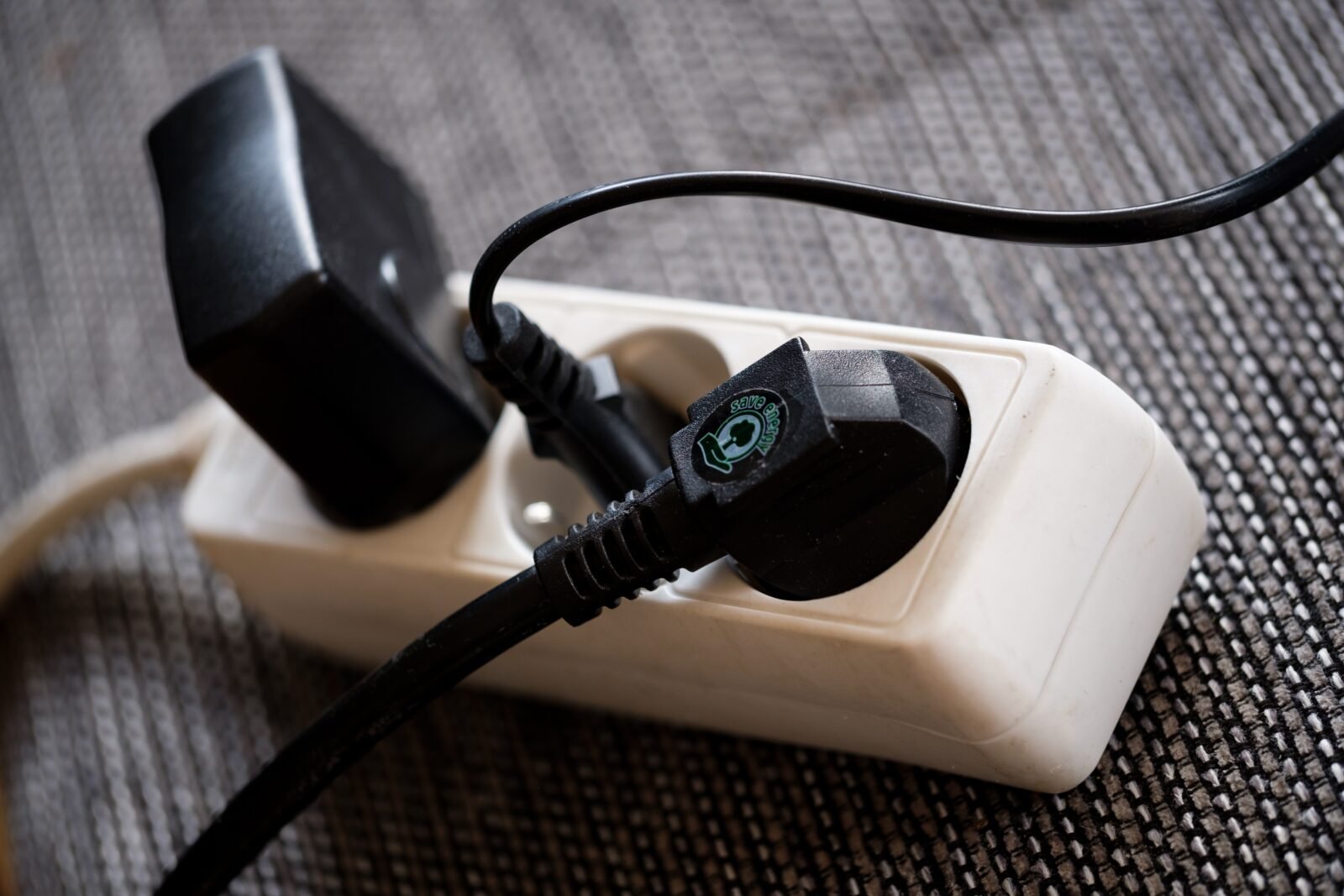
1. Standby Power From Plugged-In Devices
Many devices continue to draw power even when turned off.
Common examples:
- Phone chargers
- TVs and streaming devices
- Kitchen appliances
This is often called “phantom energy.”
Why it matters:
- Energy is used 24/7
- Multiple devices increase the total impact
Simple fix:
- Unplug devices when not in use
- Use power strips to turn off multiple items at once
2. Air Leaks Around Doors and Windows
Cool air escaping your home is one of the biggest hidden energy losses.
What happens:
- Your air conditioner works harder
- Cooling takes longer
- Energy use increases
Simple fix:
- Seal gaps with weatherstripping
- Use door sweeps
- Check window seals regularly
3. Leaving Lights On Unnecessarily
It’s easy to forget to turn off lights—especially in rooms you’re not using.
Why it matters:
- Lights left on for hours add up
- Multiple rooms increase the impact
Simple fix:
- Turn off lights when leaving a room
- Use LED bulbs
- Consider motion-sensor lighting
4. Overcooling Your Home
Setting your air conditioner too low doesn’t cool your home faster—it just uses more energy.
What happens:
- Longer run times
- Higher electricity usage
- Reduced efficiency
Simple fix:
- Set a moderate temperature
- Use fans to support airflow
- Adjust settings gradually
5. Running Half-Full Appliances
Using washing machines or dishwashers for small loads increases energy use.
Why it matters:
- More cycles
- More water heating
- More electricity consumed
Simple fix:
- Wait for full loads
- Use eco or energy-saving modes
6. Opening the Fridge Too Often
Your refrigerator works harder every time warm air enters.
What happens:
- Temperature rises
- Compressor runs longer
- More energy is used
Simple fix:
- Plan before opening the fridge
- Keep it organized
- Avoid leaving the door open
7. Poor Appliance Maintenance
Dirty or poorly maintained appliances are less efficient.
Examples:
- Clogged AC filters
- Dusty refrigerator coils
- Blocked vents
Simple fix:
- Clean filters regularly
- Maintain appliances
- Schedule occasional servicing
8. Using High Settings by Default
Many people use the highest settings without thinking.
Why it wastes energy:
- More power is used than necessary
- Longer run times
Simple fix:
- Match settings to your actual needs
- Use lower settings when possible
The Real Cost of Small Leaks
These small habits may seem insignificant, but they lead to:
Increased Energy Consumption
Constant, low-level energy use throughout the day.
Higher Monthly Bills
Small increases add up over time.
Unnoticed Waste
Because each action feels minor, the total impact is easy to overlook.
Even if you’re already with the best light company, these small inefficiencies can still affect your overall electricity costs.
How to Fix Energy Leaks Without Stress
The key isn’t perfection—it’s awareness and consistency.
1. Start With One Habit
Pick one small leak to fix:
- Turn off lights more consistently
- Unplug one device daily
- Adjust your thermostat slightly
Small wins build momentum.
2. Create Simple Routines
Consistency makes habits automatic.
- Check lights before bed
- Review appliances before leaving home
- Set a daily energy-saving routine
3. Use Visual Reminders
Sometimes, you just need a nudge.
- Sticky notes near switches
- Labels on power strips
- Phone reminders
4. Make Energy Saving Easy
Reduce friction:
- Use power strips
- Keep switches accessible
- Organize your space
The easier it is, the more likely you’ll do it.
5. Track Your Progress
Awareness leads to change.
- Monitor your electricity bill
- Compare monthly usage
- Celebrate small improvements
The Bigger Picture: Small Changes, Big Impact
Energy efficiency isn’t about making drastic changes—it’s about managing the small things that happen every day.
When you fix small leaks:
- Your home becomes more efficient
- Your bills become more manageable
- Your habits become more intentional
And over time, those small changes make a big difference.
Frequently Asked Questions (FAQs)
1. What are small energy leaks in a home?
They are minor inefficiencies or habits—like leaving devices plugged in—that increase energy use over time.
2. Do small habits really affect electricity bills?
Yes. When repeated daily, small actions can significantly increase your overall energy consumption.
3. What’s the easiest energy leak to fix?
Turning off lights and unplugging unused devices are simple and effective starting points.
4. Is standby power really a problem?
Yes. Devices that remain plugged in can draw power continuously, even when not in use.
5. How quickly can I see savings?
You may notice changes within one billing cycle if you consistently improve your habits.
6. Do I need expensive upgrades to fix energy leaks?
No. Most energy leaks can be fixed with simple, low-cost changes.
Final Thoughts
The biggest impact on your electricity bill often comes from the smallest habits.
By identifying and fixing these “small leaks,” you can reduce energy waste without changing your lifestyle or investing in expensive upgrades.
Start small. Stay consistent. And remember—when it comes to energy savings, the little things matter more than you think.
