
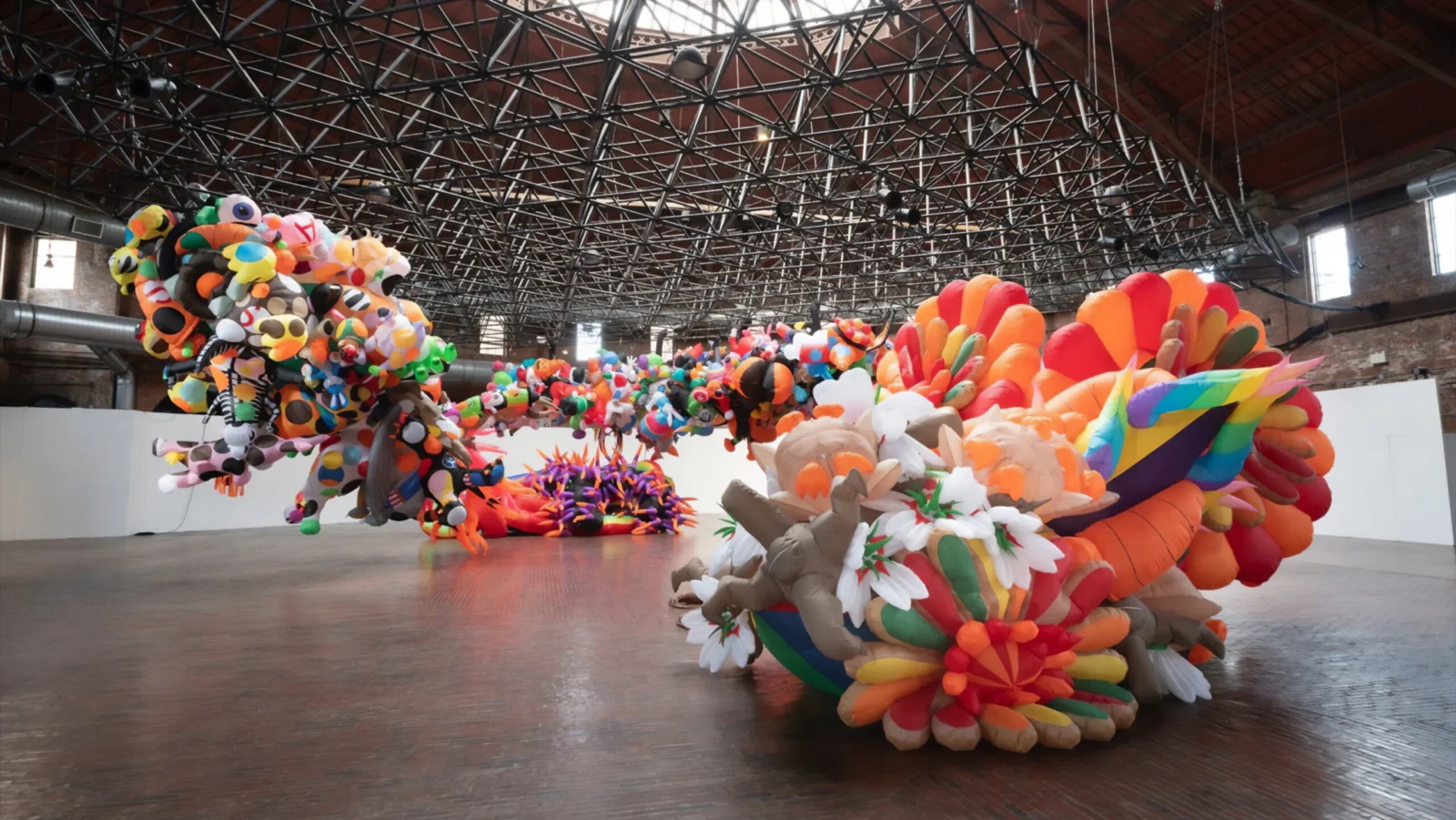
Inflatable art has revolutionised the way we perceive and interact with art installations in public spaces. These gigantic structures are not only visually captivating but also a testament to modern engineering. The inflatable art trend has seen a surge in popularity, with artworks popping up at festivals, galleries, and outdoor events around the world. However, the mesmerising beauty and scale of these artworks are possible due to intricate engineering processes and design principles.
Material Selection and Durability
The choice of materials plays a crucial role in the creation of large-scale inflatable art. Engineers often use specialised fabrics that are lightweight yet durable enough to withstand various environmental elements. Polyester, coated with a layer of polyurethane or PVC, is commonly utilised due to its strength and flexibility. This combination ensures that the structures are resistant to punctures while maintaining their shape and form. These materials also need to endure UV radiation, wind, rain, and even extreme temperatures, making durability tests a staple in the engineering process.
Design and Structural Integrity
Designing inflatable art requires a fine balance between creativity and practicality. Engineers work closely with artists to ensure that the aesthetic vision is achievable without compromising on safety and stability. Advanced computer-aided design (CAD) software is often employed to model and simulate the structures before they are manufactured. The structural integrity is assessed through simulations that take into account factors such as wind load, pressure distribution, and stress points. Furthermore, engineers design internal support systems, like inflatable ribs, to maintain the desired shape and prevent collapse.
Inflation Mechanism and Air Management
The inflation process of these artworks is another engineering marvel. Depending on the design, inflatable art can be continuously inflated or sealed once air is pumped in. Continuous airflow systems require strategically placed blowers and compressors to maintain the shape. Engineers must consider the airflow path to optimise energy use and ensure even distribution of pressure. For sealed systems, precision is paramount to prevent leaks and ensure that the artwork maintains its form for the intended duration.
Transportation and Installation Challenges
Moving and setting up large-scale inflatable art is a logistical challenge that involves meticulous planning. The deflated structures are compact and lightweight, allowing for relatively easy transportation. However, installation requires careful consideration of the site terrain, weather conditions, and safety regulations. Engineers often conduct pre-installation site surveys to identify any potential hazards or obstacles. Coordinating the installation also involves a team of experts including riggers and technicians who work together to ensure the artwork is safely and securely displayed.
Impact and Environmental Considerations
The environmental impact of inflatable art is a growing concern, driving engineers to explore sustainable practices. Material recycling and the use of biodegradable components are gaining traction within the industry. Engineers face the challenge of balancing the need for durable materials with the desire to minimise environmental footprints. Furthermore, artists and engineers are increasingly focused on creating installations powered by renewable energy sources, such as solar-powered inflating systems, to reduce the reliance on fossil fuels.
The engineering behind large-scale inflatable art is as captivating as the artworks themselves. The blend of creativity, precision engineering, and practical design results in installations that not only awe audiences worldwide but also push the boundaries of what is possible in the realm of public art. As both technology and environmental consciousness continue to evolve, we can expect to see even more innovative and sustainable approaches to inflatable art in the future.
Ben Austin is the founder and CEO of Absolute Digital Media, a UK-based SEO and digital marketing agency established in 2008. The agency specialises in regulated industries including iGaming SEO, financial services, legal, and healthcare, and has accumulated over 175 industry awards. Ben has 17 years of hands-on experience in technical SEO, link acquisition, and search strategy for compliance-sensitive sectors. He writes on organic search, AI-driven visibility, and LLM citation optimisation.
