
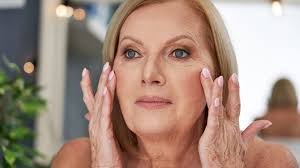
Losing weight can be a major achievement, but many people are surprised when their face starts to look older or more lined afterward. As the body loses fat, the face can also lose volume and support, making wrinkles, folds, and loose skin more noticeable.
Anti-Wrinkle Treatments for Wrinkles After Weight Loss can help improve the appearance of lines, restore balance, and refresh the face. However, the right treatment depends on the type of wrinkle, the amount of skin laxity, and whether volume loss is also present.
In this guide, you will learn why wrinkles can appear after weight loss, which treatments may help, what results to expect, and how to choose the best option for your skin.
Anti-Wrinkle Treatments for Wrinkles After Weight Loss: 11 Facts
When you lose a significant amount of weight, your face often loses fat along with the rest of your body. This change can make the skin look thinner and less supported.
Several factors contribute to this shift:
- Loss of facial volume makes skin appear looser
- Reduced elasticity limits how well skin snaps back
- Existing lines become more visible without underlying fullness
Wrinkles after weight loss are usually a mix of different types:
- Dynamic wrinkles caused by facial movement
- Static wrinkles are linked to volume loss and skin laxity
- Deep folds caused by reduced facial support
Understanding this difference is key before choosing any treatment.
How anti-wrinkle treatments work for post-weight-loss wrinkles
Anti-wrinkle treatments are designed to improve the appearance of lines, folds, and skin changes. Different treatments work in different ways, depending on the cause of the wrinkle.
Common treatment goals include:
- Relaxing movement-related lines caused by repeated facial expressions
- Restoring lost facial volume where fat loss has created hollowness
- Improving skin texture when the skin looks crepey or uneven
- Stimulating collagen production to support firmer-looking skin
- Softening deeper folds caused by reduced facial support
This makes anti-wrinkle treatments especially useful when weight loss has made existing lines or facial changes more noticeable.
What anti-wrinkle treatments cannot fix
It is important to be clear about what anti-wrinkle treatments can and cannot do. Many people expect one treatment to solve every visible change after weight loss, but that is not usually the case.
Anti-wrinkle treatments may not fully treat:
- Severe loose or sagging skin: When skin loses firmness due to reduced collagen, ageing, or rapid weight loss, some non-surgical treatments may only offer mild improvement. More advanced tightening procedures or surgical options may be needed for a visible lift.
- Deep folds caused by major fat loss: Lines such as nasolabial folds are often linked to volume loss rather than skin surface changes alone. These folds may need volume-restoring treatments or a combination approach for better improvement.
- Hollow areas in the cheeks or temples: Volume loss in these areas can create a tired or aged appearance. Skin treatments alone may not restore fullness, so treatments that replace or support lost volume are often more effective.
- Advanced skin laxity: If the skin has stretched significantly and cannot contract well, collagen-based treatments may help improve quality, but they may not completely tighten the area.
If these concerns are present, a personalised treatment plan may be needed for better overall results.
The science behind wrinkles after weight loss
Wrinkles after weight loss often happen because the skin has less support underneath it. Facial fat helps keep the skin smooth and lifted. When that support decreases, lines and folds can become more visible.
This process can involve:
- Loss of facial fat: Facial fat supports the skin and helps maintain a fuller, smoother appearance. When this volume decreases, the skin may look looser and wrinkles may appear deeper.
- Reduced collagen levels: Collagen gives skin strength and structure. As collagen decreases with age, sun exposure, and lifestyle factors, the skin becomes less firm and more prone to wrinkling.
- Weaker elastin support: Elastin helps the skin stretch and return to place. When elastin weakens, the skin may not snap back fully after weight loss.
- Repeated facial movement: Expressions such as smiling, frowning, and squinting repeatedly fold the skin. After weight loss, these folds may look more noticeable because there is less volume underneath.
- Skin dehydration: Dry or dehydrated skin can make fine lines look sharper and more visible.
This is why wrinkles after weight loss often need a treatment approach that considers both the skin surface and the deeper facial structure.
Results you can expect
For people who have lost weight, anti-wrinkle treatments can make a noticeable difference when the right option is chosen.
You may see:
- Smoother expression lines: Treatments that target movement-related wrinkles can reduce repeated folding of the skin. As the movement softens, the skin may appear smoother and more relaxed.
- Less visible forehead and eye wrinkles: Lines around the forehead and eyes often respond well to treatments that soften facial movement or improve skin quality. The result is usually subtle but refreshing.
- Improved facial fullness: Volume-restoring treatments can help support hollow areas and soften folds caused by facial fat loss.
- Better skin texture: Treatments such as microneedling, resurfacing, or skin boosters may improve crepey texture, dullness, and fine lines over time.
- Prevention of deeper wrinkle formation: Some treatments can help slow the worsening of wrinkles by reducing repeated movement or supporting collagen production.
However, improvement may be limited if there is:
- Significant skin looseness: Loose skin may need tightening procedures or surgery for a stronger result.
- Severe facial hollowness: Hollow areas often require volume restoration rather than surface treatment alone.
If you’ve noticed changes in your skin after slimming down, this guide on face wrinkles after weight loss explains why it happens and what you can do about it.
Common anti-wrinkle treatment options
There are several treatments that may help with wrinkles after weight loss. The best choice depends on whether your main concern is movement lines, volume loss, loose skin, or skin texture.
Common options include:
- Wrinkle-relaxing injections: These treatments help soften lines caused by facial movement, such as forehead lines, crow’s feet, and frown lines.
- Dermal fillers: Fillers can restore lost volume in areas such as the cheeks, temples, and around the mouth. They may also soften deeper folds caused by facial fat loss.
- Skin boosters: Skin boosters improve hydration and skin quality rather than adding major volume. They may help with fine lines, dullness, and crepey skin.
- Microneedling: Microneedling encourages collagen production by creating tiny controlled injuries in the skin. It may improve texture, fine lines, and mild laxity over time.
- Laser resurfacing: Laser treatments can improve skin texture, pigmentation, and fine wrinkles by targeting damaged skin layers and encouraging renewal.
- Radiofrequency treatments: Radiofrequency uses heat energy to stimulate collagen and improve mild to moderate skin laxity.
- Ultrasound skin tightening: Ultrasound-based treatments target deeper skin layers to encourage gradual lifting and collagen support.
- Chemical peels: Peels remove damaged outer skin layers and can improve brightness, texture, and fine lines.
A combination of treatments may be recommended when more than one concern is present.
When to start treatment after weight loss
Timing matters more than many people realise. Starting treatment too early during weight loss can lead to uneven or short-lived results because the face may still be changing.
It is usually best to wait until:
- Your weight has stabilised
- Your facial structure is no longer changing
- Your skin has had time to adjust
- Your main concern is clear
- You are ready for a maintenance plan if needed
This helps ensure the treatment is planned accurately and gives more predictable results.
How long results last
Anti-wrinkle treatments are not all permanent, and the duration depends on the type of treatment used.
Typical timelines include:
- Wrinkle-relaxing injections: Results often last around 3 to 4 months, depending on muscle strength, metabolism, and the treated area.
- Dermal fillers: Results may last several months to over a year, depending on the product used and the treatment area.
- Skin boosters: A course of treatments may be needed, with maintenance sessions recommended to keep the skin hydrated and smooth.
- Microneedling: Results build gradually as collagen develops, and several sessions are often needed for best improvement.
- Laser resurfacing: Results can last longer with good skincare and sun protection, although natural ageing continues.
- Radiofrequency or ultrasound treatments: These usually work gradually, with results developing over several months as collagen production improves.
Good skincare, sun protection, hydration, and stable weight can help support longer-lasting results.
Treatment approach and planning
Anti-wrinkle treatments are usually delivered through a personalised plan. The right approach depends on the type of wrinkle, the condition of the skin, and the amount of facial volume loss.
A practitioner may assess:
- Skin elasticity
- Facial volume loss
- Depth and location of wrinkles
- Degree of sagging
- Facial movement patterns
- Age and skin quality
- Weight stability
- Medical history and treatment goals
For example:
- Expression lines may need wrinkle-relaxing treatments
- Hollow cheeks may need volume restoration
- Crepey skin may benefit from collagen-stimulating treatments
- Loose skin may require tightening procedures
- Deep folds may need a combination approach
A careful treatment plan helps create a natural and balanced outcome.
Safety and side effects
Safety and side effects
Anti-wrinkle treatments have a strong safety record when performed by a trained professional. Most side effects are mild and temporary, but the risks depend on the treatment used.
Common effects include:
- Slight swelling
- Minor bruising
- Redness
- Tenderness
- Temporary sensitivity
- Mild discomfort
Rare complications can happen, such as:
- Uneven results
- Infection
- Pigment changes
- Lumps or irregularities
- Scarring
- Unwanted muscle weakness with certain injectables
Choosing an experienced practitioner reduces these risks significantly. In some cases, wrinkles can appear earlier than expected, even without major weight changes. This article on wrinkles on face at young age explains why this happens and what you can do about it.
Who is a good candidate
Not everyone will benefit equally from the same anti-wrinkle treatment after weight loss. The best results come from matching the treatment to the concern.
Ideal candidates often have:
- Visible dynamic wrinkles
- Stable body weight
- Some remaining skin elasticity
- Mild to moderate lines or folds
- Good general health
- Realistic expectations
- Specific concerns such as hollow areas, crepey skin, or expression lines
Less suitable candidates may have:
- Ongoing major weight changes
- Severe loose skin
- Deep folds caused by major volume loss
- Active skin irritation or infection
- Uncontrolled medical conditions
- Unrealistic expectations about results
A professional consultation helps determine the safest and most effective plan.
If you are combining treatments, timing matters. For example, when considering Botox after laser hair removal, it is usually best to wait at least 24 to 48 hours to reduce irritation and allow the skin to settle properly.
Where anti-wrinkle treatments fit in overall treatment
Anti-wrinkle treatments play an important role in post-weight-loss care. They can improve visible lines, restore balance, and support better skin quality, but they work best when used for the right concern.
They are best seen as:
- A focused treatment for wrinkle softening
- A way to support skin quality and firmness
- Part of a broader approach if multiple concerns exist
- A maintenance option for long-term facial ageing
- A complement to daily skincare and healthy habits
Many people combine professional treatments with good skincare for more complete facial rejuvenation. Sunscreen, moisturiser, gentle cleansing, hydration, and suitable active ingredients can all help maintain results.
Key takeaways to remember
Anti-wrinkle treatments can be very effective when used correctly after weight loss, but expectations need to be realistic.
Here are the main points:
- Wrinkles after weight loss can come from volume loss, skin laxity, and facial movement
- Different wrinkle types need different treatments
- Movement-related wrinkles may respond well to wrinkle-relaxing treatments
- Volume loss may need fillers or other volume-restoring options
- Skin texture may improve with collagen-stimulating treatments
- Severe loose skin may need more advanced tightening or surgical options
- Results are often temporary and may need maintenance
- Treatments are usually best after weight has stabilised
- Outcomes depend on expert technique and proper planning
Conclusion
Weight loss can change your face in ways you may not expect, especially when it comes to wrinkles, folds, hollow areas, and loose skin. While these changes can feel frustrating, there are effective ways to manage them with the right treatment plan.
Anti-Wrinkle Treatments for Wrinkles After Weight Loss can help soften expression lines, improve skin texture, restore lost support, and create a fresher appearance. They are not a complete fix for every concern, but they can play an important role when used at the right time and for the right reasons.
If you are considering treatment, the best step is a professional consultation to create a plan that suits your face, your goals, and your weight loss results.
FAQs
Can anti-wrinkle treatments tighten loose skin after weight loss?
Some treatments can improve mild skin laxity by stimulating collagen, but they do not always tighten severe loose skin. More advanced tightening treatments or surgical options may be needed for stronger results.
How soon after weight loss can I get anti-wrinkle treatment?
It is best to wait until your weight is stable so your results are more predictable and balanced. This also allows your practitioner to assess your face more accurately.
What is the best anti-wrinkle treatment after weight loss?
The best treatment depends on the cause of your wrinkles. Expression lines may need wrinkle-relaxing treatments, volume loss may need fillers, and crepey skin may benefit from collagen-stimulating options.
Will anti-wrinkle treatments make my face look unnatural?
When done properly, results should look subtle and natural. The aim is to soften lines and refresh the face, not make it look frozen, stiff, or overfilled.
Are anti-wrinkle treatments enough on their own after weight loss?
It depends on your concerns. If you mainly have dynamic wrinkles, one treatment may be enough. If you have volume loss, sagging, or loose skin, a combination approach may be better.