
Table of Contents
- Understanding Desogestrel and the Progestogen Only Pill
- The Science of the Twelve Hour Window
- Establishing a Fail Safe Daily Routine
- Managing a Missed Dose Step by Step
- Factors That Can Affect Desogestrel Absorption
- When to Seek Additional Medical Advice
- Navigating Side Effects and Initial Adjustments
- Transitioning From Other Contraceptive Methods
- Long Term Success and Reproductive Health Maintenance
Understanding Desogestrel and the Progestogen Only Pill
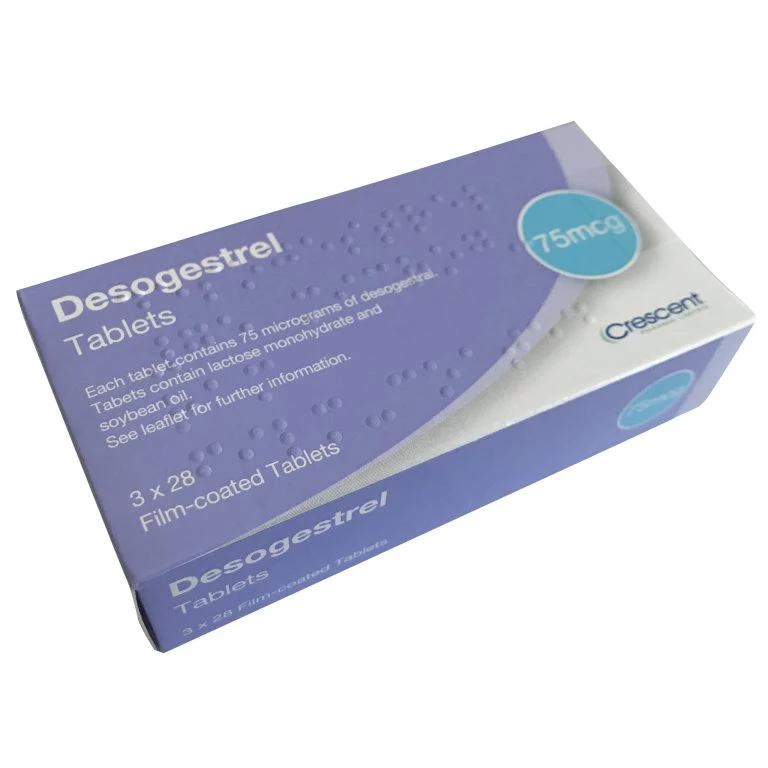
Desogestrel represents a significant advancement in the world of oral contraceptives, specifically within the category of the progestogen only pill, often referred to as the mini pill. Unlike traditional combined pills that contain both estrogen and progestogen, desogestrel relies solely on a synthetic version of the hormone progesterone to prevent pregnancy. This makes it an ideal choice for individuals who may be sensitive to estrogen or those who are breastfeeding.
The primary mechanism of desogestrel is twofold. First, it works by thickening the cervical mucus, which creates a physical barrier that makes it incredibly difficult for sperm to reach an egg. Second, and perhaps most importantly, desogestrel is unique among mini pills because its primary action is the suppression of ovulation. While older generations of progestogen only pills did not consistently stop the ovaries from releasing an egg, desogestrel achieves this in about ninety nine percent of cycles when taken correctly.
When you obtain your prescription from a reputable provider such as Post My Meds, you are receiving a medication that offers a high level of efficacy comparable to the combined pill. However, this effectiveness is heavily dependent on the consistency of the user. Understanding the pharmacological profile of the drug is the first step in ensuring you are protected against unplanned pregnancy.
The Evolution of the Mini Pill
Historically, the mini pill had a very strict three hour window. If a user was more than three hours late, the contraceptive protection was considered compromised. The introduction of desogestrel changed the landscape for women’s health by extending this window to twelve hours. This pharmacological shift provided a much needed safety net for those with busy lifestyles or varying schedules. By maintaining a steady level of progestogen in the bloodstream, desogestrel ensures that the hormonal signals required for ovulation remain suppressed even if a dose is slightly delayed.
The Science of the Twelve Hour Window
The phrase twelve hour window refers to the period of time after your scheduled dose during which the pill remains effective. For example, if your usual time for taking the pill is eight in the morning, you are considered on time as long as you take it before eight in the evening. This flexibility is a hallmark of modern desogestrel formulations.
How to Take Desogestrel Correctly: Managing the 12-Hour Window is a skill that requires understanding how the body processes synthetic hormones. Once ingested, desogestrel is rapidly absorbed and converted into its active metabolite, etonogestrel. This metabolite has a half life that allows it to stay active in the system for a sufficient duration to cover minor lapses. If you exceed this twelve hour limit, the levels of etonogestrel in your plasma may drop below the threshold required to inhibit the luteinizing hormone surge, which is the trigger for ovulation.
It is vital to remember that while the window exists, it should not be treated as a daily invitation to be late. The most stable hormonal environment is achieved by taking the pill at the exact same time every day. Consistency minimizes the risk of breakthrough bleeding and ensures the highest possible contraceptive coverage. When you order through Post My Meds, you can access professional guidance on how to manage this window effectively based on your specific health profile.
Establishing a Fail Safe Daily Routine
Consistency is the cornerstone of hormonal contraception. To ensure you never fall outside of that critical twelve hour window, you must integrate the pill into a habit that already exists in your daily life.
- Link the pill to a morning or evening ritual such as brushing your teeth or having your first cup of coffee.
- Utilize technology by setting a recurring daily alarm on your smartphone with a distinct ringtone.
- Keep the blister pack in a visible location, such as on your bedside table or next to your toothbrush, provided it is kept out of reach of children and away from direct heat.
- Use a contraceptive tracking app that sends push notifications and allows you to log each dose.
- If you travel frequently, always keep a spare strip in your carry on luggage to account for delays or time zone changes.
By creating these environmental cues, you reduce the cognitive load required to remember your medication. Many patients who use services like Post My Meds find that the convenience of home delivery helps them maintain their routine by ensuring they never run out of their supply unexpectedly.
Managing a Missed Dose Step by Step
If you realize that you have forgotten to take your pill, the first thing to do is check exactly how much time has passed since your scheduled dose. The protocol for a missed dose is straightforward but must be followed precisely to maintain protection.
Less Than Twelve Hours Late
If you are less than twelve hours late, you are still protected. Take the forgotten pill as soon as you remember. Take your next pill at the usual time, even if this means taking two pills in one day. No extra contraceptive precautions, such as condoms, are necessary in this scenario.
More Than Twelve Hours Late
If you are more than twelve hours late, your contraceptive protection may be reduced. In this situation, follow these steps:
- Take the missed pill immediately, even if it means taking two pills at once.
- Continue taking the rest of the pack at your normal scheduled time.
- Use a barrier method of contraception, such as condoms, for the next seven days of pill taking.
- If you have had unprotected sex in the two days before missing the pill, or if you miss multiple pills in the first week of a pack, you may need to consider emergency contraception.
Navigating these rules can be stressful, but being prepared with the correct information allows you to take control of your reproductive health. If you are ever unsure about the timing, consulting with the pharmacists at Post My Meds can provide clarity and peace of mind.
Factors That Can Affect Desogestrel Absorption
Taking the pill on time is only half the battle; your body must also be able to absorb the hormone effectively. Certain physiological events and external substances can interfere with the way desogestrel enters your bloodstream.
Severe gastrointestinal upset is a primary concern. If you experience significant vomiting or very severe diarrhea within three to four hours of taking your pill, the tablet may not have been fully absorbed. In these instances, you should treat the situation as a missed pill and follow the advice for being more than twelve hours late.
Furthermore, certain medications can induce liver enzymes that break down the hormones in the pill more quickly than usual. These include:
- Certain epilepsy medications such as carbamazepine or phenytoin.
- Specific treatments for tuberculosis like rifampicin.
- Some antiretroviral medicines used for HIV.
- Herbal remedies, most notably St. John’s Wort, which is frequently used for low mood.
Always inform your healthcare provider about any other supplements or medications you are taking. When you fill out your consultation form with Post My Meds, being thorough about your medical history ensures that desogestrel is a safe and effective choice for you.
When to Seek Additional Medical Advice
While desogestrel is safe for the majority of users, there are specific circumstances where professional intervention is necessary. If you find that you are consistently struggling to stay within the twelve hour window, it might be worth discussing alternative long acting reversible contraceptives, such as the implant or an intrauterine device, with a clinician.
You should also seek medical advice if you experience sudden, severe symptoms while taking the pill. These include:
- Unexplained pain or swelling in one leg, which could indicate a blood clot.
- Sudden chest pain or difficulty breathing.
- An unusually severe or prolonged headache or migraine.
- Yellowing of the skin or eyes, known as jaundice.
- A lump in the breast or changes in the nipple area.
While the risk of serious side effects with a progestogen only pill is very low, staying vigilant and maintaining a dialogue with your healthcare provider is essential for long term wellness.
Navigating Side Effects and Initial Adjustments
When starting desogestrel, your body goes through a period of hormonal recalibration. This adjustment phase typically lasts about three months. During this time, it is common to experience changes in your menstrual cycle. Some users may find their periods become irregular, lighter, or stop altogether. Others may experience frequent spotting or breakthrough bleeding.
Aside from cycle changes, some individuals report:
- Mild acne or skin changes.
- Breast tenderness or slight fluctuations in weight.
- Changes in mood or libido.
Most of these symptoms are mild and resolve on their own as your body becomes accustomed to the steady dose of progestogen. Understanding that these changes are a normal part of the process can help you stay committed to the regimen. If the side effects persist beyond the first few months and become bothersome, a consultation can help determine if a different brand or method might be more suitable for your unique biochemistry.
Transitioning From Other Contraceptive Methods
Switching to desogestrel from another form of birth control requires careful timing to ensure there is no gap in your protection. The transition protocol depends entirely on what you were using previously.
If you are moving from a combined pill, you should ideally start desogestrel the day after you take the last active pill in your current pack. If you follow this method, you will be protected immediately. If you wait until after your pill free week, you must use additional protection for the first seven days of taking desogestrel.
When moving from a different progestogen only pill, you can switch on any day, and protection will be continuous. If you are transitioning from an injectable contraceptive, you should start desogestrel when your next injection would have been due. For those switching from an intrauterine system or a copper IUD, it is generally recommended to start the pill on the day the device is removed. Following these specific guidelines ensures that your transition is seamless and that you remain fully protected throughout the changeover.
Long Term Success and Reproductive Health Maintenance
Mastering the use of desogestrel is about more than just remembering a daily tablet; it is about taking an active role in your healthcare. By understanding the twelve hour window and the factors that influence the pill’s efficacy, you empower yourself to live with confidence and autonomy.
Regular reviews of your contraceptive needs are important as your lifestyle and health requirements evolve. What works for you in your twenties may not be the best fit in your thirties or forties. Services like Post My Meds offer a convenient way to manage your prescriptions while still providing the oversight needed to ensure your chosen method remains the safest and most effective option for you.
Remember that the progestogen only pill does not protect against sexually transmitted infections. Maintaining a holistic approach to your sexual health by using barrier methods when necessary and attending regular screenings is just as important as your daily pill. With the right routine, a clear understanding of the rules, and a reliable supply of medication, you can ensure that desogestrel provides the high level of protection it was designed to deliver.
