
Introduction
Clean water is essential for health, cooking, hygiene, and everyday household use. Even when tap water looks clear, it can still contain impurities such as chlorine, sediment, heavy metals, and other contaminants that affect both taste and safety. Because of this, many homeowners are turning toward modern filtration solutions to improve water quality. One of the most effective methods is a professionally installed filtration setup, and water filtration system installation has become an important step for ensuring reliable access to clean water at home.
A water filtration system works by removing unwanted particles and chemicals through different stages of filtration. Depending on the system type, it can improve taste, eliminate odors, and significantly reduce harmful contaminants. Understanding how these systems work and how they are installed helps homeowners make informed decisions that benefit long term health and comfort.
This article explains how water filtration systems function, why installation matters, what the process involves, and how proper maintenance ensures long lasting performance.
Why Clean Water Matters in Daily Life
Water is used in almost every aspect of daily living, from drinking and cooking to bathing and cleaning. Poor water quality can affect health in many ways, especially when consumed over long periods. Contaminants such as chlorine, lead, bacteria, and dissolved solids can gradually impact digestion, skin health, and overall wellness.
Even beyond health concerns, poor water quality can affect appliances and plumbing systems. Hard water and sediment buildup can damage pipes, reduce appliance efficiency, and shorten their lifespan. This leads to higher maintenance costs and frequent repairs.
A properly installed filtration system helps eliminate these issues by improving water quality at the source. This is why professional water filtration system installation is becoming increasingly important for modern households.
How Water Filtration Systems Work
Water filtration systems use multiple stages to remove impurities from water. The process usually begins with a sediment filter that captures dirt, sand, and rust particles. This protects the rest of the system from clogging and damage.Next, activated carbon filters are used to remove chlorine, chemicals, and unpleasant odors. This stage significantly improves taste and smell.
Some advanced systems include additional stages such as reverse osmosis membranes or UV purification. These components remove microscopic contaminants and harmful microorganisms.The final result is clean, filtered water that is safe for drinking and everyday use. Each stage plays an important role in ensuring water quality remains consistent and reliable.
Types of Water Filtration Systems
There are several types of water filtration systems available depending on household needs.Whole house filtration systems treat all water entering the home. This ensures that every tap and appliance receives filtered water.Under sink systems are installed directly beneath kitchen sinks and provide filtered drinking water through a separate faucet.
Countertop systems are compact and easy to install but may offer limited filtration capacity.Reverse osmosis systems provide advanced filtration by removing a wide range of contaminants at a microscopic level.Choosing the right system depends on water quality, household size, and usage requirements. Proper water filtration system installation ensures that whichever system is chosen performs efficiently and effectively.
Benefits of Installing a Water Filtration System
One of the main benefits of a water filtration system is improved water quality. It removes harmful contaminants and provides cleaner, safer drinking water.Better taste and odor is another major advantage. Many people notice an immediate improvement after installation, especially when chlorine levels are reduced.Filtration systems also protect household appliances. By reducing mineral buildup and sediment, they help extend the lifespan of water heaters, dishwashers, and washing machines.In addition, filtered water is better for skin and hair health, especially in areas with hard water.Overall, investing in a proper filtration system improves both health and household efficiency.
Key Components of a Filtration System
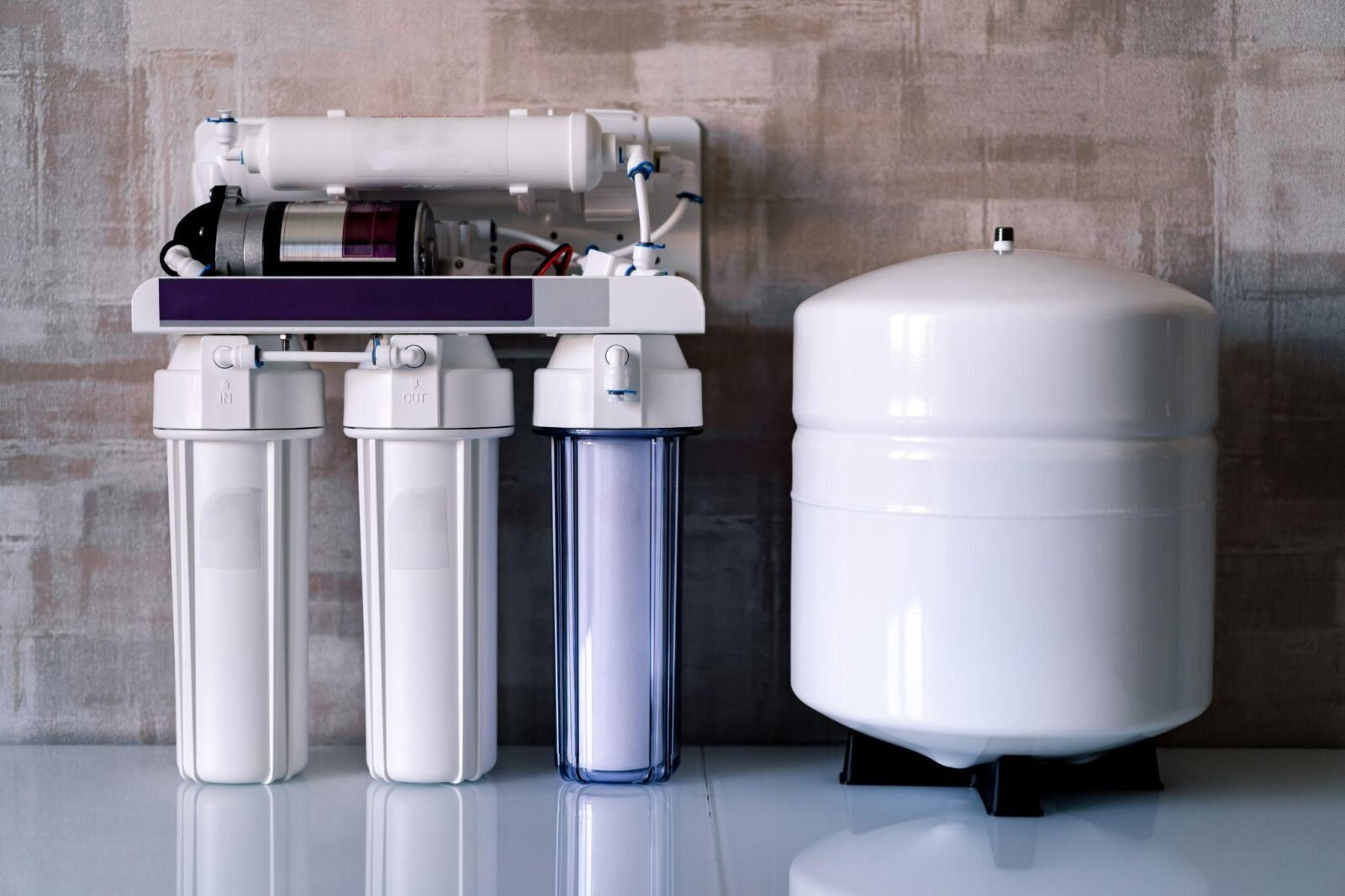
Most water filtration systems consist of several important components that work together to purify water.The sediment filter removes large particles such as dirt and rust.The carbon filter eliminates chemicals, chlorine, and odors.
The membrane or advanced filtration stage removes microscopic contaminants depending on system type.The storage tank holds filtered water for immediate use in some systems.Each component must be properly installed and maintained to ensure optimal performance.
Step by Step Installation Process
Installing a water filtration system requires careful planning and proper connection to the existing plumbing system. The process begins with evaluating water quality and selecting the best installation location.Next, the water supply is shut off to ensure safe installation. The system is then connected to the main water line or under sink plumbing depending on the type of system.Filters are installed in the correct order, and all connections are secured to prevent leaks. If the system includes a separate faucet, it is installed on the sink for easy access to filtered water.Once installation is complete, the system is flushed to remove air and initial impurities. Testing is then done to ensure proper water flow and filtration efficiency.Professional services for water filtration system installation help ensure correct setup and long term performance without leaks or pressure issues.
Common Installation Mistakes to Avoid
Incorrect installation can reduce system efficiency and water quality. One common mistake is improper sealing of connections, which can lead to leaks.Another issue is incorrect filter placement, which can reduce filtration effectiveness.Failing to flush the system after installation can also affect initial water taste.Using incompatible fittings or poor quality parts may cause long term problems in performance.This is why professional installation is often recommended for reliable results.
Maintenance Requirements for Long Term Performance
Water filtration systems require regular maintenance to ensure consistent performance. Filters must be replaced periodically depending on water usage and quality.Sediment and carbon filters usually need replacement more frequently than advanced filtration components.System cleaning and inspection also help prevent buildup and blockages.Regular maintenance ensures that the system continues to provide clean and safe water without performance issues.
Signs Your Filtration System Needs Attention
There are several signs that indicate a filtration system may require maintenance. A noticeable change in water taste or odor is one of the first indicators.Reduced water pressure may suggest clogged filters.Cloudy or unclear water can also indicate that the system is not functioning properly.Unusual noises or slow water flow may signal internal blockages or worn components.When these signs appear, timely maintenance or filter replacement is necessary.
Cost Considerations for Installation and Maintenance
The cost of installing a water filtration system depends on system type, complexity, and household requirements.Whole house systems typically cost more than under sink units but provide full home coverage.Maintenance costs include periodic filter replacements and occasional servicing.Despite the cost, filtration systems offer long term savings by reducing bottled water usage and protecting plumbing systems.
Why Professional Installation Matters
Although some filtration systems appear simple, proper installation requires plumbing knowledge and technical precision.Incorrect installation can lead to leaks, reduced filtration efficiency, or contamination issues.Professional technicians ensure the system is correctly installed, tested, and optimized for performance.Choosing expert help for water filtration system installation ensures safe, reliable, and long lasting results.
Conclusion
Clean water is essential for health, comfort, and daily living. Water filtration systems provide an effective solution for improving water quality by removing harmful contaminants and enhancing taste.Understanding how these systems work, how they are installed, and how they should be maintained helps homeowners make informed decisions.With proper installation and regular maintenance, a filtration system can provide long term benefits including better health, improved appliance performance, and reliable access to clean water. Investing in professional installation ensures consistent results and peace of mind for years to come.
