
Introduction
Metal roofing systems are widely recognized for their strength, longevity, and resistance to extreme weather conditions. They are commonly used in residential, commercial, and industrial buildings because of their durability and energy efficiency. Unlike traditional roofing materials, metal roofs are designed to withstand heavy rain, high winds, snow loads, and fire exposure, making them one of the most reliable roofing solutions available today. However, even the strongest roofing systems require maintenance and occasional restoration. Over time, exposure to environmental conditions can lead to corrosion, fastener loosening, seam separation, or surface damage that requires professional attention such as metal roof repair to restore full performance and prevent structural issues.
A metal roof is not just a protective covering; it is a precision-engineered system that relies on properly sealed panels, fasteners, coatings, and underlayment. When any of these components begin to fail, the entire system can become vulnerable to leaks and long-term deterioration. Understanding how metal roofing works and how damage develops is essential for ensuring long-lasting performance and minimizing repair costs.
Structure and Function of Metal Roofing Systems
Metal roofing systems are composed of large or interlocking metal panels made from materials such as steel, aluminum, zinc, or copper. These panels are designed to overlap or lock together, creating a strong barrier against water penetration.
Underneath the metal panels lies a protective underlayment layer that acts as a secondary waterproof barrier. This layer is critical for preventing moisture from reaching the roof deck in case of panel failure or fastener issues.
Fasteners and sealing systems hold the panels in place and ensure structural stability. Additionally, protective coatings are applied to metal surfaces to prevent rust, corrosion, and UV damage.
Although metal roofing is highly durable, exposure to weather and time can weaken its components. When this occurs, professional metal roof repair becomes necessary to restore functionality and prevent further deterioration.
Common Causes of Metal Roof Damage
Metal roofs are built to last, but several factors can still cause damage over time. One of the most common issues is corrosion, especially in areas exposed to high humidity, salt air, or pollution. Even with protective coatings, metal surfaces can eventually begin to rust if not properly maintained.
Thermal expansion and contraction is another major factor affecting metal roofing systems. As temperatures change, metal panels expand during heat and contract during cold conditions. This repeated movement can loosen fasteners or cause seams to separate over time.
Weather-related damage is also a significant concern. Strong winds can lift panels, while hailstorms can dent or puncture the surface. Heavy rainfall can expose weak points in seals or joints.
Improper installation is another cause of premature roof failure. If panels are not aligned correctly or fasteners are not secured properly, the roof may develop leaks or structural weaknesses.
When these issues occur, timely metal roof repair is essential to prevent more severe damage.
Early Warning Signs of Roof Problems
Identifying early signs of metal roof damage can help prevent expensive repairs. One of the most common indicators is visible rust or corrosion on the surface of the panels.
Water leaks or stains inside the building often indicate that the roofing system has been compromised. Loose or missing fasteners are another sign of structural weakness.
Unusual noises during wind or temperature changes may indicate that panels are shifting or expanding improperly.
Dents, scratches, or punctures caused by hail or debris should also be addressed quickly, as they can lead to long-term deterioration.
Early detection allows property owners to address issues before they escalate into major structural failures requiring extensive metal roof repair.
Step-by-Step Metal Roof Repair Process
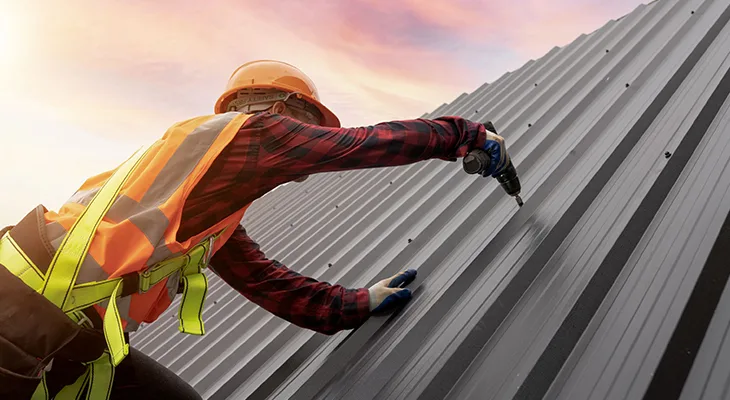
The repair process begins with a detailed inspection of the entire roofing system. Professionals assess panel condition, fasteners, seams, and protective coatings to identify areas of concern.
Once damaged sections are identified, cleaning is performed to remove dirt, rust, or debris. This ensures proper adhesion for repair materials.
Small cracks or holes are sealed using specialized roofing compounds or patches designed for metal surfaces. In cases of corrosion, affected areas may be treated and recoated to prevent further rusting.
Loose fasteners are tightened or replaced, and damaged panels may be repaired or substituted if necessary. Seams are reinforced to restore waterproof protection.A professional metal roof repair process ensures that both visible and hidden damage is properly addressed for long-term durability.
Importance of Regular Maintenance
Regular maintenance is essential for extending the lifespan of metal roofing systems. Routine inspections help identify early signs of wear and prevent minor issues from becoming major problems.Basic maintenance includes cleaning debris, checking for rust spots, inspecting fasteners, and ensuring proper drainage.
Seasonal inspections are particularly important after storms, heavy winds, or extreme temperature changes.Consistent maintenance helps reduce repair costs and ensures long-term roofing performance.
Benefits of Professional Roofing Services
While minor maintenance tasks can be performed by property owners, metal roofing systems require professional expertise for proper repair and restoration. Skilled technicians understand how to work with different metals and protective coatings.
Professional roofing services ensure that repairs are performed according to industry standards, improving durability and reducing the risk of future issues.
For reliable roofing solutions, metal roof repair services provide expert inspection, restoration, and maintenance designed to enhance performance and extend roof lifespan.
Professional services also offer warranties and long-term maintenance plans for added protection and peace of mind.
Energy Efficiency and Metal Roofing Systems
Metal roofs are highly energy efficient due to their reflective properties. They help reduce heat absorption, keeping buildings cooler during hot weather.
Proper insulation beneath the roof panels also contributes to energy savings by maintaining stable indoor temperatures.
However, damaged roofing systems can reduce energy efficiency by allowing air leaks or heat transfer.Timely repairs help maintain optimal energy performance and reduce utility costs.
Impact of Weather on Metal Roofs
Weather conditions play a significant role in the condition of metal roofing systems. Heavy rain can expose weak seams or fastener points.
Strong winds can loosen panels or cause structural movement.Hailstorms can dent or puncture metal surfaces, while prolonged sun exposure can weaken protective coatings.
Temperature fluctuations cause expansion and contraction, which can gradually weaken joints and seals.Understanding these effects helps property owners take preventive measures and schedule timely metal roof repair when necessary.
Long-Term Value of Metal Roof Maintenance
Regular maintenance and timely repairs provide significant long-term financial benefits. Metal roofs are already known for their long lifespan, often lasting several decades when properly maintained.
Preventive care helps avoid costly emergency repairs and extends the life of the roofing system.Maintaining roof condition also increases property value and improves structural safety.Property owners who invest in maintenance experience fewer disruptions and lower long-term expenses.
Technological Advancements in Roofing Industry
Modern roofing technology has improved inspection and repair processes significantly. Drone inspections allow professionals to safely assess roof conditions without physical risk.
Infrared scanning technology helps detect hidden moisture or insulation issues beneath metal panels.
Advanced coatings and corrosion-resistant materials are also improving durability and performance.These innovations make metal roof repair more efficient, accurate, and long-lasting.
Future of Metal Roofing Systems
The future of metal roofing is focused on sustainability, durability, and smart technology integration. New alloy materials are being developed to enhance strength and corrosion resistance.
Eco-friendly coatings and recyclable materials are becoming more common in modern construction.Smart roofing systems with embedded sensors may soon allow real-time monitoring of structural conditions.These advancements will continue to improve roofing efficiency and performance.
Conclusion
Metal roofing systems are among the most durable and efficient roofing solutions available, but they still require regular maintenance and timely repairs to ensure long-term performance. Exposure to weather, temperature changes, and natural aging can lead to damage that must be addressed promptly.
Understanding early warning signs, performing regular maintenance, and relying on professional expertise ensures long-term protection and efficiency. Services such as metal roof repair play a critical role in restoring roofing systems and preventing costly structural issues.
With proper care, modern materials, and advanced technology, metal roofs can deliver reliable protection, energy efficiency, and long-lasting performance for decades.
