
Introduction
Exterior siding is one of the most important elements of any building because it protects the structure from harsh weather conditions while also defining its overall appearance. Homeowners today have a wide range of siding materials to choose from, but vinyl has become one of the most popular options due to its affordability, durability, and minimal maintenance requirements. Modern construction trends emphasize energy efficiency, long-term performance, and visual appeal, all of which are strongly supported by vinyl-based exterior solutions. Among these, vinyl siding continues to stand out as a practical choice for residential properties looking for a balance between cost, performance, and style.
As buildings are exposed to constant environmental stress such as rain, wind, sunlight, and temperature fluctuations, the siding material must be able to withstand these challenges without frequent repairs or replacement. Vinyl provides a reliable solution that meets these demands while offering a wide variety of design options that suit both modern and traditional homes. Understanding how this material works, its benefits, installation process, and long-term value helps homeowners make informed decisions when selecting exterior finishes for their property.
Understanding Vinyl Siding and Its Composition
Vinyl siding is made from polyvinyl chloride (PVC), a strong synthetic material known for its resistance to moisture, corrosion, and weather damage. It is engineered into long panels that are installed horizontally or vertically on the exterior walls of a building. These panels are designed to overlap each other, creating a protective barrier that prevents water infiltration and shields the underlying structure from environmental exposure.
The manufacturing process includes adding stabilizers, color pigments, and performance-enhancing additives to improve durability, UV resistance, and flexibility. This ensures that the material maintains its appearance and structural integrity even after years of exposure to sunlight and harsh weather conditions. Unlike wood siding, which requires regular painting and sealing, vinyl siding is designed to retain its color and finish with minimal upkeep.
Modern production techniques have also allowed manufacturers to create textured surfaces that closely resemble natural materials such as wood grain, giving homeowners the aesthetic appeal of traditional siding without the associated maintenance challenges.
Key Advantages of Vinyl Siding Systems
One of the primary benefits of vinyl siding is its low maintenance requirement. Unlike wood, which can rot, warp, or require frequent repainting, vinyl only needs occasional cleaning to maintain its appearance. This makes it an ideal choice for homeowners seeking a long-lasting exterior solution without ongoing maintenance costs.
Durability is another major advantage. Vinyl siding is designed to withstand extreme weather conditions, including heavy rain, strong winds, and intense sunlight. It does not easily crack or peel, and it is resistant to moisture-related issues such as rot and mold. This makes it particularly suitable for regions with fluctuating weather conditions.
Affordability also plays a significant role in its popularity. Compared to other siding materials such as brick or fiber cement, vinyl is generally more cost-effective both in terms of material and installation expenses. This allows homeowners to achieve a high-quality exterior finish without exceeding their budget.
In addition to these benefits, vinyl siding offers excellent design flexibility. It is available in a wide range of colors, textures, and styles, allowing homeowners to customize their exterior appearance according to personal preference and architectural design.
Energy Efficiency and Insulation Benefits
Modern vinyl siding systems contribute to improved energy efficiency when installed with proper insulation backing. Insulated versions of vinyl panels help reduce heat transfer between the interior and exterior of a building, maintaining more stable indoor temperatures throughout the year.
During hot weather, insulated siding helps minimize heat absorption, reducing the workload on cooling systems. During colder months, it helps retain indoor warmth, improving overall energy efficiency. This can lead to noticeable reductions in heating and cooling costs over time.
Additionally, properly installed siding reduces air leakage and drafts, further improving the building’s thermal performance. When combined with quality insulation materials, vinyl siding becomes an effective component of an energy-efficient building envelope.
Installation Considerations and Professional Expertise
Proper installation is essential to ensure that vinyl siding performs effectively and lasts for many years. Although the material itself is durable, incorrect installation can lead to issues such as warping, moisture infiltration, or misalignment. Professional installation ensures that each panel is securely fastened, properly aligned, and allows sufficient room for expansion and contraction due to temperature changes.
The installation process begins with surface preparation, including inspection of the exterior wall structure and installation of a weather-resistant barrier. Panels are then carefully measured, cut, and attached in overlapping layers to ensure proper drainage and protection. Special attention is given to corners, edges, and openings such as windows and doors to prevent water penetration.
Because of its technical requirements, many homeowners rely on experienced contractors for vinyl siding installation to ensure long-term durability, proper alignment, and optimal performance.
Maintenance Requirements and Longevity
One of the most attractive features of vinyl siding is its minimal maintenance requirements. Unlike traditional materials that require frequent painting or sealing, vinyl maintains its color and appearance for many years with little effort. Regular cleaning with mild soap and water is usually sufficient to remove dirt, dust, and environmental residue.
Periodic inspections are recommended to ensure that panels remain securely attached and that no damage has occurred due to external impacts or extreme weather conditions. In most cases, repairs are simple and involve replacing individual panels rather than large sections of the siding.
With proper installation and basic maintenance, vinyl siding can last for several decades, making it a long-term investment in both protection and aesthetics.
Aesthetic Flexibility and Design Options
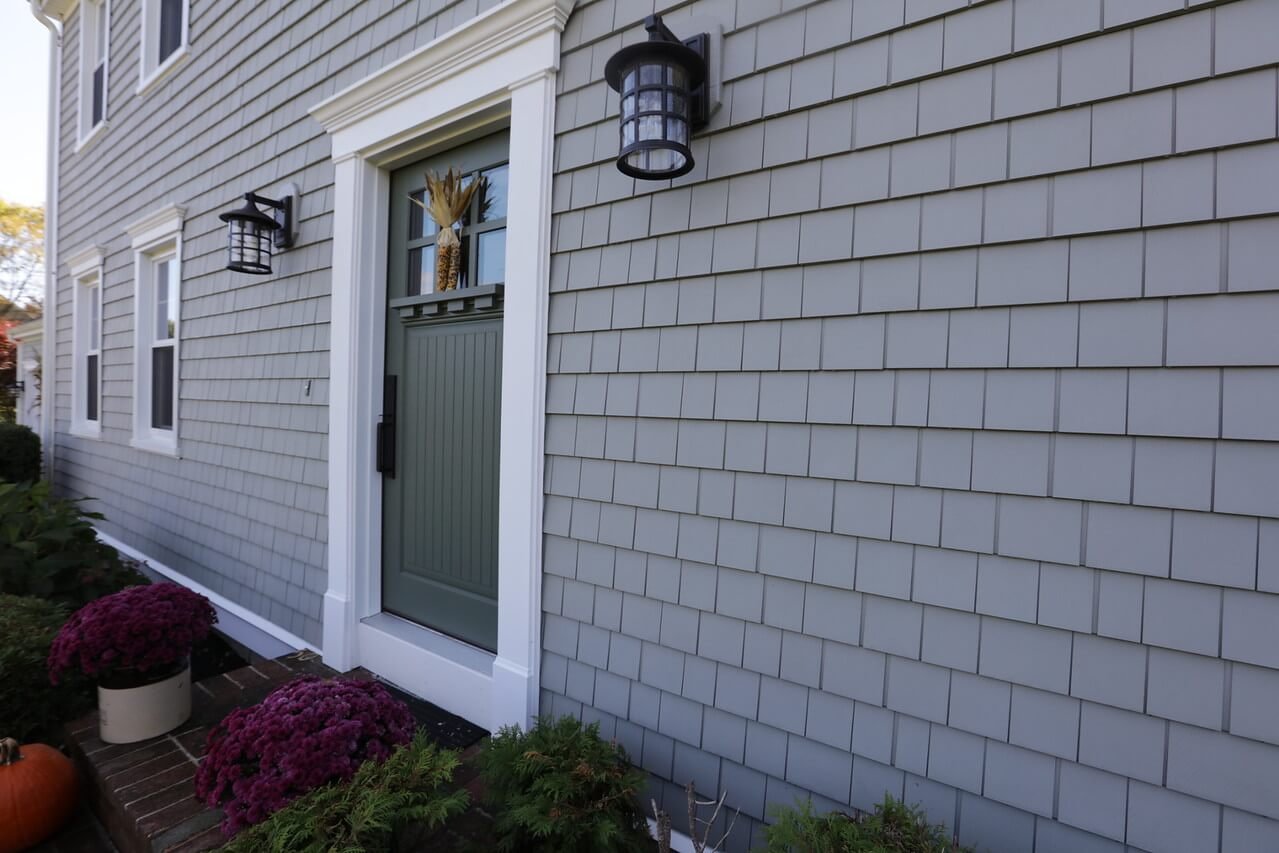
Vinyl siding offers a wide range of design possibilities, making it suitable for various architectural styles. It is available in multiple profiles such as horizontal lap siding, vertical panels, and shingle-style designs. These options allow homeowners to achieve different visual effects depending on their desired exterior appearance.
Color choices are also extensive, ranging from neutral tones to bold modern shades. Advances in manufacturing technology have improved color retention, ensuring that the siding maintains its appearance over time without significant fading.
Textured finishes further enhance its visual appeal by replicating natural materials such as wood grain, providing a classic look without the maintenance requirements of real wood.
Environmental Considerations and Sustainability
Vinyl siding contributes to sustainability through its long lifespan and reduced need for replacement. Because it lasts for many years, it helps reduce construction waste and the environmental impact associated with frequent material replacement.
Many modern vinyl products are also recyclable, allowing materials to be repurposed at the end of their life cycle. Additionally, improved insulation performance in some vinyl siding systems helps reduce energy consumption, contributing to lower overall environmental impact.
These features make vinyl siding a practical choice for environmentally conscious homeowners seeking durable and efficient building materials.
Common Issues and How to Prevent Them
Although vinyl siding is highly durable, certain issues can arise if it is not installed or maintained properly. Expansion and contraction due to temperature changes can cause panels to loosen or warp if not installed with adequate spacing. Impact damage from heavy objects or severe weather can also affect individual panels.
Moisture buildup behind improperly installed siding can lead to mold or structural issues over time. These problems can be prevented through proper installation techniques, regular inspections, and timely repairs.
Ensuring that drainage systems and ventilation are functioning correctly also helps maintain the long-term performance of the siding system.
Long-Term Value and Investment Benefits
Vinyl siding provides excellent long-term value due to its durability, low maintenance requirements, and cost-effectiveness. While the initial installation cost is relatively affordable, the long-term savings in maintenance and repair expenses make it a financially sound investment.
In addition to cost savings, vinyl siding enhances curb appeal and can increase property value. Homes with well-maintained, modern siding are often more attractive to buyers and can stand out in competitive real estate markets.
The combination of affordability, durability, and aesthetic appeal makes vinyl siding a smart choice for homeowners looking to improve both the function and appearance of their property.
Conclusion
Vinyl siding has become one of the most widely used exterior cladding materials due to its durability, affordability, and low maintenance requirements. It provides strong protection against weather conditions, improves energy efficiency, and offers a wide range of design options suitable for different architectural styles. When properly installed and maintained, vinyl siding delivers long-lasting performance and significant value for homeowners.
Its ability to combine functionality with visual appeal makes it an ideal choice for modern residential construction. By investing in high-quality materials and professional installation, property owners can ensure that their exterior remains attractive, durable, and efficient for many years to come.
