
Introduction
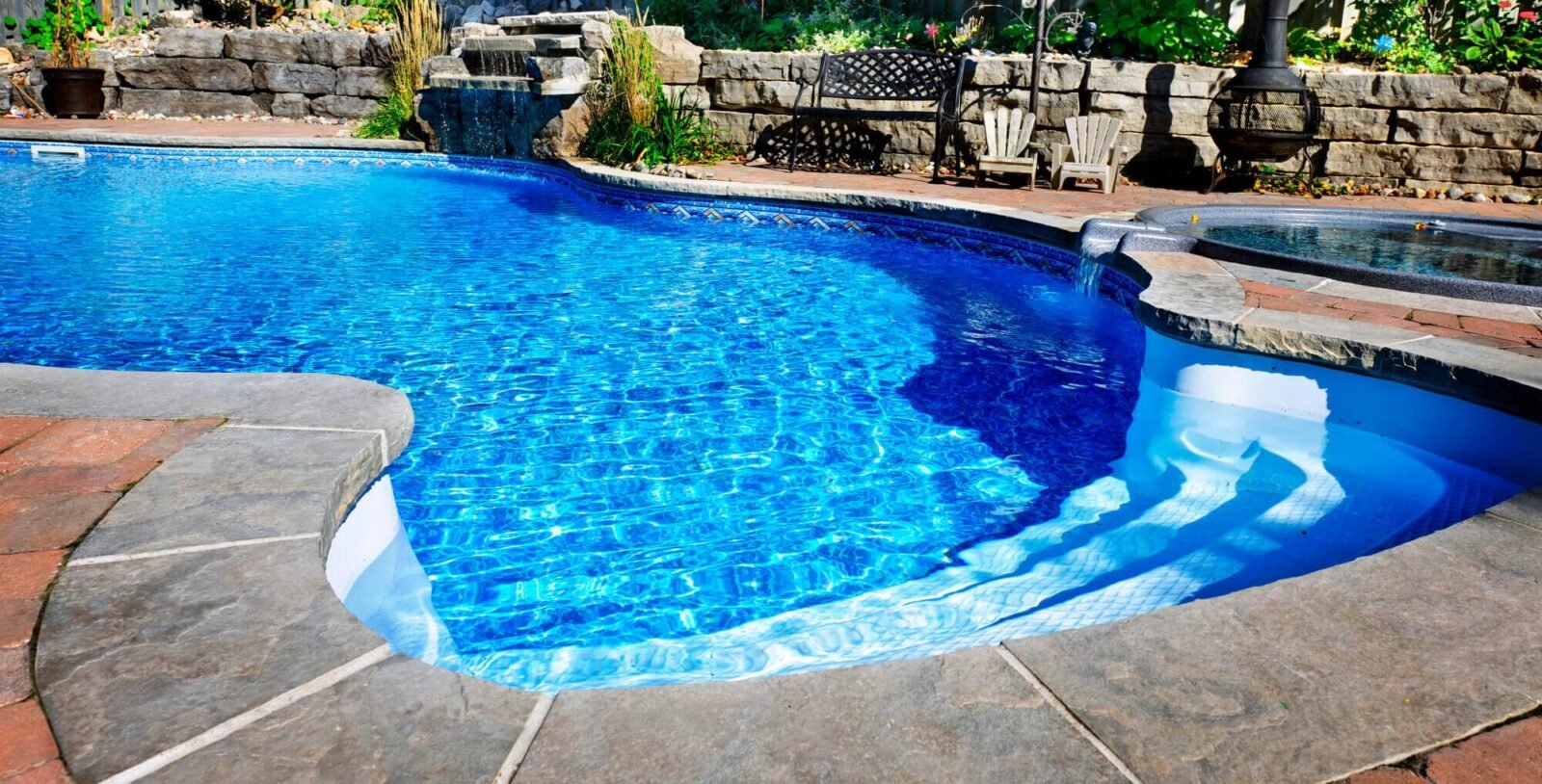
Outdoor living spaces have become an essential part of modern residential design, with swimming pools serving as both functional and recreational focal points. Surrounding these pools, the deck area plays a crucial role in safety, comfort, and aesthetics. One of the most popular choices for enhancing these spaces is the use of pool deck pavers, which offer a combination of durability, design flexibility, and long-term performance. Unlike poured concrete or plain surfaces, pavers provide a structured system that resists cracking, improves drainage, and enhances visual appeal.
Homeowners increasingly choose pool deck pavers because they offer a balance between practicality and style. These materials are engineered to withstand constant exposure to water, sunlight, and temperature changes, making them ideal for poolside environments. When installed correctly, they create a stable, slip-resistant surface that enhances both safety and beauty.
Understanding Pool Deck Surface Systems
A pool deck is more than just a surrounding platform; it is a functional extension of the swimming area that must handle moisture, foot traffic, and environmental stress. Traditional materials such as plain concrete often develop cracks over time due to temperature fluctuations and ground movement. In contrast, modular paving systems distribute weight more evenly and allow for slight movement without structural damage.
Pool deck pavers are individual units made from materials such as concrete, natural stone, or brick. These units are installed over a prepared base of sand and gravel, allowing for flexibility and strength at the same time. The interlocking structure helps maintain alignment while providing small gaps that improve water drainage, reducing the risk of pooling or surface damage.
Material Types Used in Pool Deck Construction
There are several types of materials used in modern pool deck systems, each offering unique benefits depending on design goals and environmental conditions. Concrete pavers are among the most widely used due to their affordability and strength. They are manufactured in a variety of shapes, colors, and textures, allowing homeowners to customize the look of their outdoor space.
Natural stone options such as travertine, limestone, and slate are also popular for upscale designs. These materials provide a luxurious appearance and stay cooler under direct sunlight, making them comfortable for bare feet. Brick pavers offer a more traditional aesthetic while maintaining durability and resistance to wear.
Each of these materials can be used effectively in pool deck pavers systems, depending on budget, style preferences, and maintenance expectations.
Advantages of Using Paver-Based Pool Deck Systems
One of the main advantages of using paver systems around pools is their durability. Unlike solid concrete surfaces, pavers are less likely to crack because they can shift slightly with ground movement. This flexibility helps maintain structural integrity over time, even in areas with changing weather conditions.
Another important benefit is slip resistance. Pool areas are naturally exposed to water, making safety a top priority. Many paver surfaces are designed with textured finishes that improve grip, reducing the risk of slipping when the surface is wet.
Maintenance is also easier compared to other materials. If a section becomes damaged or stained, individual units can be replaced without disturbing the entire surface. This makes long-term upkeep more cost-effective and manageable.
Aesthetic flexibility is another major advantage. Pool deck pavers come in a wide range of colors, patterns, and layouts, allowing homeowners to create custom designs that complement landscaping and architecture.
Design Flexibility and Outdoor Aesthetics
Modern outdoor design emphasizes seamless transitions between indoor and outdoor living spaces. Pool decks are no longer just functional zones but integral parts of landscape design. Pavers allow for creative layouts such as herringbone patterns, circular designs, and mixed-material combinations.
The ability to blend colors and textures enables homeowners to achieve unique visual effects. For example, lighter-colored pavers can create a bright, open feel, while darker tones provide contrast and depth. Borders and accents can also be incorporated to define spaces and add visual structure.
When properly designed, pool deck pavers contribute significantly to the overall atmosphere of outdoor environments, enhancing both property value and usability.
Installation Process and Structural Preparation
Proper installation is essential for ensuring the long-term performance of a paver system. The process begins with excavation and ground preparation to create a stable base. A layer of compacted gravel is typically added to provide drainage and support. On top of this, a sand layer is applied to create a level surface for placing the pavers.
Each unit is carefully positioned according to the desired pattern and aligned to maintain consistency. Once all pavers are installed, joint sand is swept into the gaps to lock the system in place. This interlocking structure is what gives pool deck pavers their strength and flexibility.
Edge restraints are also installed around the perimeter to prevent shifting and maintain alignment over time. Proper compaction ensures that the surface remains stable and level, even under heavy use.
Drainage and Water Management Benefits
One of the most important functional advantages of paver systems is their ability to manage water effectively. Pool decks are constantly exposed to splashes, rain, and cleaning activities, making drainage a critical factor.
The small joints between pavers allow water to pass through the surface instead of accumulating on top. This reduces puddling and helps maintain a safer walking surface. Proper base preparation further enhances drainage by directing water away from the structure.
Efficient water management not only improves safety but also extends the lifespan of the installation by preventing erosion and moisture-related damage.
Safety Considerations Around Pool Areas
Safety is a top priority in any pool environment. Slippery surfaces can lead to accidents, especially when combined with water exposure. Many pool deck pavers are designed with textured surfaces that provide better traction compared to smooth concrete or tile.
Heat resistance is another important factor. Certain materials, especially natural stone, remain cooler under sunlight, making them more comfortable for barefoot walking. This is particularly important in warm climates where surface temperatures can become extremely high.
Proper installation also contributes to safety by ensuring that surfaces remain level and stable, reducing tripping hazards.
Maintenance and Long-Term Care
One of the reasons homeowners prefer paver systems is their low maintenance requirements. Routine cleaning with water and mild detergent is usually sufficient to maintain appearance and performance. Occasional re-sanding of joints may be required to maintain structural integrity.
Unlike poured concrete, which may require resurfacing or complete replacement when damaged, individual pavers can be easily replaced if necessary. This makes long-term maintenance more efficient and cost-effective.
Sealing is optional but can enhance color retention and provide additional protection against stains and weather exposure. With proper care, pool deck pavers can maintain their appearance and functionality for many years.
Environmental and Sustainability Benefits
Paver systems also offer environmental advantages. Many modern products are manufactured using sustainable materials and processes. Their permeability allows water to naturally return to the ground, reducing runoff and supporting better drainage systems.
Because damaged sections can be replaced individually, waste is minimized compared to full-surface replacements. Additionally, the long lifespan of these systems reduces the need for frequent reconstruction, contributing to lower environmental impact over time.
Cost Considerations and Long-Term Value
While initial installation costs for paver systems may be higher than basic concrete surfaces, the long-term value is significantly greater. Reduced maintenance, longer lifespan, and repair flexibility all contribute to cost savings over time.
In addition to practical benefits, pool deck pavers enhance property aesthetics, which can increase overall real estate value. A well-designed outdoor space is often a key selling point for potential buyers, making it a worthwhile investment.
Conclusion
Pool deck surfaces play an essential role in both the functionality and appearance of outdoor living spaces. Choosing the right material is critical for ensuring long-term durability, safety, and visual appeal. Paver systems offer a highly effective solution that combines strength, flexibility, and design versatility.
With proper installation and maintenance, pool deck pavers provide a reliable and attractive surface that enhances outdoor environments for many years. Their ability to withstand weather conditions, improve safety, and support creative design makes them one of the most trusted options for modern pool areas.
