
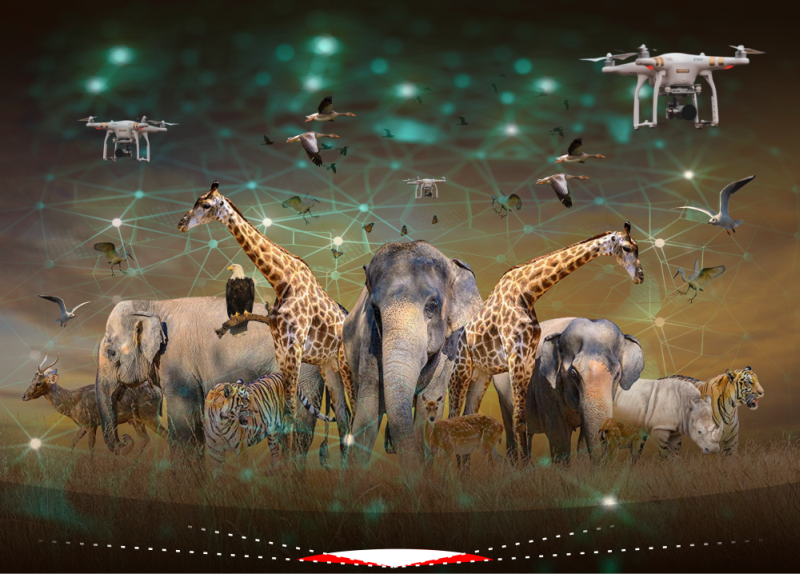
Conservation has always depended on expertise, collaboration, and long-term commitment. Today, it depends equally on data.
Across zoos, aquariums, wildlife rehabilitation centers, and conservation breeding facilities worldwide, professionals work tirelessly to safeguard species. Yet in an era defined by biodiversity loss, climate disruption, emerging diseases, and habitat fragmentation, experience alone is no longer enough. Modern conservation requires integrated systems capable of capturing, analyzing, and sharing critical information across institutions and borders.
At the center of this transformation is animal care software, the digital infrastructure that supports evidence-based animal management, strengthens welfare standards, and enables coordinated global conservation strategies.
Far from being a simple record-keeping tool, animal care software has become the backbone of population sustainability planning. It connects veterinary teams, animal care specialists, researchers, registrars, and conservation biologists within a shared data ecosystem that empowers informed decision-making at every level.
As conservation challenges intensify, the ability to collect, structure, and apply data responsibly is no longer optional. It is essential.
The Evolution of Wildlife Record-Keeping
Historically, animal care documentation was maintained locally; often on paper or within institution-specific databases. While these systems supported daily husbandry needs, they limited the broader conservation potential of the information being collected.
Animal histories were frequently siloed:
- Veterinary treatments were logged in physical files
- Behavioral notes were recorded in notebooks
- Breeding outcomes were tracked separately
- Transfer histories were manually documented
Although functional, these approaches restricted collaboration and reduced the long-term analytical value of the data.
As conservation efforts expanded beyond individual facilities and became increasingly networked, the limitations of fragmented record-keeping became clear. Coordinated breeding programs, genetic management strategies, and epidemiological studies required structured, standardized, and shareable data.
This shift gave rise to comprehensive animal care software platforms that are purpose-built systems designed to support not only daily operations, but global conservation strategy.
Why Animal Care Software Matters in Modern Conservation
Each animal living under professional care contributes to a broader conservation narrative. Whether part of an assurance population, a Species Survival Plan, or a research initiative, the information associated with that individual holds long-term significance.
Robust animal care software enables institutions to document:
- Birth and lineage details
- Medical diagnoses and treatments
- Nutritional plans
- Behavioral observations
- Reproductive cycles and outcomes
- Transfers between institutions
- Enrichment activities
- Mortality and necropsy findings
When these data points are consistently recorded and standardized, they form a powerful dataset that supports informed conservation decisions.
Without structured animal care software, institutions risk losing continuity, limiting collaboration, and compromising the analytical value of decades of work.
From Daily Husbandry to Strategic Population Management
Animal care professionals focus on immediate welfare needs like monitoring appetite, observing behavior, administering treatment, and maintaining habitats. Yet these daily actions also influence long-term population sustainability.
Animal care software bridges the gap between daily operations and strategic planning.
For example:
- A veterinary diagnosis recorded today may inform disease trend analysis years later.
- A behavioral observation could influence breeding recommendations.
- A documented nutritional adjustment might contribute to lifespan research.
When individual data entries accumulate within a connected system, they support demographic modeling, genetic diversity calculations, and population viability assessments.
This integration transforms animal care software from a local management tool into a strategic conservation asset.
Strengthening Animal Welfare Through Data Transparency
Animal welfare is the cornerstone of responsible wildlife management. Maintaining high standards requires consistency, accountability, and measurable outcomes.
Animal care software strengthens welfare practices by enabling:
Comprehensive Medical Documentation
Detailed records of treatments, laboratory results, imaging diagnostics, and recovery notes allow veterinary teams to monitor health trends and refine protocols.
Behavioral Monitoring
Consistent documentation of enrichment responses and behavioral patterns supports proactive welfare management.
Nutritional Tracking
Dietary plans can be adjusted and evaluated based on measurable outcomes.
Life Stage Management
Growth milestones, geriatric health indicators, and reproductive cycles are documented systematically.
When welfare data is structured and accessible, institutions can analyze patterns rather than relying solely on anecdotal memory. This promotes continuous improvement and evidence-based care.
Enabling Global Collaboration Across Institutions
Conservation is inherently collaborative. No single organization can preserve species alone. Success depends on coordinated action among institutions worldwide.
Animal care software supports collaboration by enabling:
- Secure data sharing across accredited institutions
- Real-time demographic reporting
- Coordinated breeding recommendations
- Shared veterinary insights
- Cross-institutional research initiatives
By participating in connected platforms such as those supported by Species360, institutions contribute to a global dataset that strengthens species management strategies worldwide.
The collective value of shared animal care software grows exponentially as more institutions contribute accurate data.
Supporting Genetic Diversity and Breeding Programs
For many threatened species, genetic diversity is a defining factor in long-term survival. Coordinated breeding programs rely heavily on accurate lineage tracking and demographic analysis.
Animal care software provides:
- Pedigree documentation
- Founder representation analysis
- Inbreeding coefficient calculations
- Transfer history records
- Breeding outcome tracking
Even minor errors in data entry can influence genetic modeling. Therefore, structured validation processes within animal care software systems are critical to maintaining accuracy.
When genetic data is reliable and standardized, conservation breeding programs can make informed decisions that reduce inbreeding risk and maintain population resilience.
Data-Driven Decision-Making in Veterinary Care
Emerging diseases, shifting environmental conditions, and complex species-specific health challenges demand proactive veterinary strategies.
Animal care software enables veterinary teams to:
- Identify patterns in recurring conditions
- Monitor long-term treatment efficacy
- Compare outcomes across institutions
- Analyze age-related health trends
- Track vaccine responses
Access to aggregated health data strengthens early detection of potential risks. This supports preventive medicine rather than reactive treatment.
In a globally connected conservation network, animal care software contributes to epidemiological awareness that extends beyond individual facilities.
Enhancing Research Capabilities
Scientific research relies on longitudinal datasets. Decades of structured animal care records provide invaluable insight into species biology.
Researchers can use data derived from animal care software to study:
- Longevity trends
- Reproductive success rates
- Behavioral development
- Nutritional impacts
- Disease prevalence patterns
Standardized datasets enable responsible aggregation and peer-reviewed analysis. This strengthens scientific credibility and accelerates knowledge sharing.
The more consistent the documentation, the more meaningful the research outcomes.
Operational Efficiency and Institutional Accountability
Beyond conservation impact, animal care software enhances operational efficiency.
Digital systems streamline:
- Daily reporting
- Regulatory compliance documentation
- Accreditation preparation
- Inventory management
- Transfer coordination
Automated reporting features reduce administrative burden and improve data accuracy.
Transparency is equally important. Structured documentation demonstrates institutional accountability and supports stakeholder confidence. Donors, regulators, and accreditation bodies expect measurable evidence of impact. Animal care software provides that evidence.
Preparedness in Times of Crisis
Natural disasters, disease outbreaks, and emergency relocations require immediate access to accurate records.
Digitized animal care software ensures:
- Medical histories remain accessible remotely
- Species inventories can be generated instantly
- Treatment plans follow animals during transfers
- Compliance documentation is readily available
Crisis resilience depends on reliable information. Centralized digital systems protect continuity of care even under unexpected circumstances.
Data Integrity and Ethical Stewardship
With increased reliance on digital systems comes responsibility. Ethical conservation extends to ethical data management.
Effective animal care software systems incorporate:
- Standardized terminology
- Validation protocols
- Secure access controls
- Regular auditing processes
- Cybersecurity safeguards
Training staff to maintain data accuracy is equally important. Inaccurate or incomplete entries reduce analytical reliability and can compromise conservation decisions.
Data integrity reflects institutional integrity.
Technology as a Catalyst for Conservation Innovation
The future of conservation will increasingly rely on advanced analytics, artificial intelligence, and predictive modeling. These technologies depend on structured datasets.
High-quality animal care software provides the foundation for:
- Predictive health risk modeling
- Climate adaptation forecasting
- Population viability simulations
- Genetic diversity projections
- Resource allocation optimization
As digital tools evolve, institutions equipped with robust data systems will be better positioned to adopt new technologies responsibly.
Building a Culture of Data-Driven Conservation
Implementing animal care software is not solely a technological shift. It is a cultural one too.
Institutions must foster:
- Consistent data entry practices
- Cross-departmental collaboration
- Ongoing staff training
- Commitment to transparency
- Continuous evaluation of data quality
When teams understand how their daily documentation contributes to global conservation outcomes, engagement and accuracy improve.
Data becomes a shared responsibility rather than an administrative task.
A Global Network for Species Sustainability
Organizations such as Species360 exemplify the collaborative potential of animal care software. By connecting thousands of institutions worldwide, shared platforms enable coordinated species management on a global scale.
Each participating facility strengthens the network by contributing accurate, standardized information. In turn, each institution benefits from access to aggregated insights that would be impossible to generate independently.
This reciprocal model embodies the future of conservation: collaborative, data-driven, and globally connected.
The Long-Term Impact of Animal Care Software
The true value of animal care software becomes evident over time.
Decades of consistent documentation support:
- Multi-generational pedigree analysis
- Longitudinal health studies
- Climate response evaluations
- Adaptive management strategies
The cumulative dataset grows more powerful each year. What begins as daily documentation evolves into a legacy of knowledge that supports future conservation professionals.
In a rapidly changing world, that legacy matters.
Data as the Backbone of Conservation Progress
Wildlife conservation has entered a new era; one defined by collaboration, accountability, and data-informed decision-making.
Animal care software stands at the center of this transformation. It strengthens welfare practices, supports genetic diversity, enhances veterinary care, enables research, and connects institutions across continents.
By investing in structured, secure, and collaborative data systems, conservation organizations ensure that every documented observation contributes to a larger purpose. Each entry supports informed strategies that protect biodiversity and promote sustainable populations.
In the face of global environmental challenges, knowledge is one of the most powerful tools available. Animal care software ensures that this knowledge is preserved, shared, and applied responsibly.
Through coordinated effort and commitment to data integrity, the conservation community can continue building a future where species not only survive, but thrive.
