
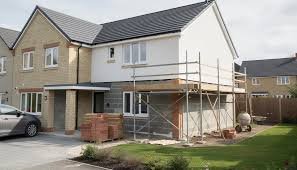
For many homeowners, a single storey extension represents the most practical and accessible route to gaining the extra space their home needs. Whether the goal is a larger open-plan kitchen and dining area, a dedicated playroom, a home office, or a more generous living space that connects with the garden, a well-designed ground floor addition can fundamentally change the way a family lives in their home. But without a clear understanding of what drives investment at each stage, costs can escalate quickly and unexpectedly. Understanding the true Single Story Extension Cost from design through to build is the most effective way to stay in control of the budget and achieve the best possible outcome. Extension Architecture works with homeowners across the UK to deliver single storey extensions that are beautifully designed, properly planned, and built to last.
What Makes a Single Storey Extension a Smart Investment
A single storey rear or side extension is one of the most popular home improvement projects in the UK, and the reasons are straightforward. It adds meaningful, usable floor area without the structural complexity of building across multiple levels. It connects the interior of the home with the garden in ways that transform everyday living. And when designed with care, it can dramatically improve the flow, light, and functionality of the ground floor as a whole rather than simply adding a room at the end of it.
From a financial perspective, a well-executed single storey extension consistently adds value to a property that exceeds the cost of the works, particularly in areas where property prices are strong and buyers place a premium on generous, well-configured living space.
Understanding the Key Cost Drivers
No two single storey extensions are identical, and the investment required reflects a wide range of variables. Understanding these drivers from the outset is the foundation of effective budget management.
Size and Footprint
The floor area of the extension is the most significant single factor in determining the overall project scope. A compact rear extension of fifteen to twenty square metres will involve a substantially different programme of work than a wraparound extension combining rear and side elements to create forty square metres or more of new space. Defining the required size clearly at the briefing stage, and resisting the temptation to expand scope mid-project, is one of the most effective ways to protect the budget.
Structural Complexity
The relationship between the new extension and the existing structure has a direct bearing on complexity and cost. Extensions that require significant alterations to the existing house, such as removing load-bearing walls to open up the ground floor, installing large steel beams, or underpinning existing foundations, involve a higher level of structural engineering input and construction work. A thorough structural survey early in the process allows these requirements to be identified and costed before work begins rather than discovered on site.
Roof Design
The roof is one of the most consequential specification decisions on a single storey extension. A simple flat roof finished with a quality membrane system is typically the most economical option and, when well detailed, can be highly durable and visually striking. A pitched roof to match the existing house involves more material and labour but may be required by the local authority on certain plot types or within conservation areas. A lantern or glazed roof section adds significant visual impact and brings daylight deep into the new space but carries a cost premium that should be factored in from the earliest design stage.
Glazing and External Doors
The choice of glazing has perhaps the greatest influence on the character of the finished extension. Sliding or bifold doors that open the new space fully to the garden, roof lights that flood the interior with natural light, and large fixed glazed panels all contribute to the quality of the experience within the space. Premium aluminium glazing systems offer outstanding performance and a refined aesthetic but sit at a higher investment level than standard uPVC alternatives. Establishing glazing priorities early allows the design to be developed around a clear and realistic specification.
Finishes and Fittings
If the extension incorporates a new kitchen, utility room, or bathroom, the specification of these fittings will have a material impact on the overall budget. Fitted furniture, worktops, appliances, sanitaryware, and tiling vary enormously in cost across different quality tiers. Extension Architecture advises clients to establish a clear hierarchy of priorities across the project so that the available budget is directed toward the elements that will have the greatest lasting impact on the finished result.
Expert Tips to Avoid Overspending
The most common cause of budget overrun on single storey extension projects is not poor construction management but inadequate preparation at the design and planning stage. Decisions made late in the process, or changes introduced after work has begun on site, are consistently the most expensive way to make adjustments.
Investing properly in the design phase, working with an architectural team that understands both the creative and technical dimensions of the project, and locking down the specification before tendering to contractors are the three most effective steps any homeowner can take to protect their budget. A detailed and well-coordinated set of construction drawings reduces ambiguity, makes contractor pricing more accurate, and gives the project the best possible foundation for a smooth build programme.
Why Extension Architecture
Extension Architecture specialises exclusively in residential extensions and conversions, bringing deep and focused expertise to every single storey project regardless of scale. From the first feasibility discussion through planning, building regulations, and construction oversight, the team provides an integrated service that keeps the project coherent, the budget informed, and the outcome aligned with the homeowner’s original vision. Building an extension is a significant undertaking, and having the right team from the outset makes every stage of the journey more confident and more rewarding.
