
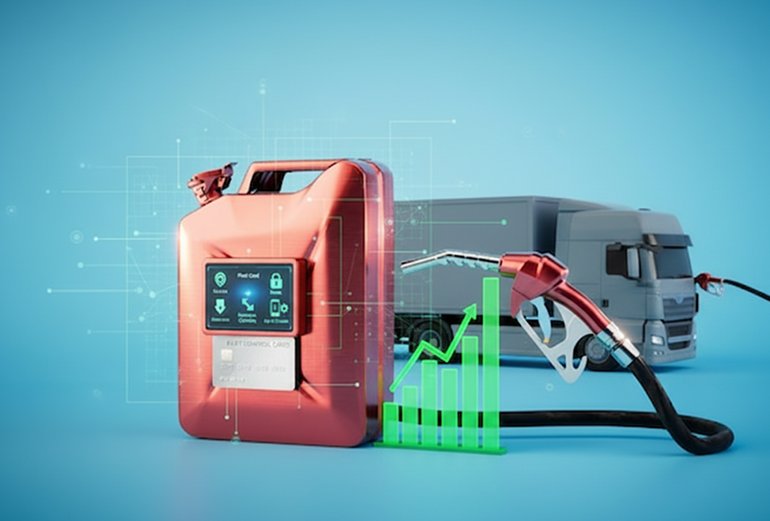
In the dynamic world of fleet management, finding the right fuel card management services is crucial for optimising operations and controlling expenses. A comprehensive fuel card management system can help businesses enhance efficiency, manage costs, and reduce fraud. But what exactly should companies look for when selecting a fuel card management system that fits their needs?
Comprehensive Reporting and Analytics
One of the significant features to look for in a fuel card management system is robust reporting and analytics capabilities. A top-tier system should provide real-time data and detailed insights, enabling fleet managers to monitor fuel consumption patterns and identify areas for improvement. These detailed reports can help you spot discrepancies or irregularities in fuel usage, thus aiding in cost optimisation and budgeting.
Fraud Prevention Features
The potential for fraud in fuel transactions is a genuine concern for fleet managers. Therefore, the fuel card management system must have built-in fraud prevention features. Look for systems that offer alerts and notifications about suspicious activity, enabling quick action to mitigate potential losses. Geofencing capabilities that restrict card usage to approved locations and times can add an extra layer of security against unauthorised transactions.
Customisable Card Controls
An effective fuel card management system will allow for customisable controls. This flexibility enables businesses to set spending limits, control product purchases, and manage cardholder access with ease. Such control mechanisms are essential to ensure that cards are used according to company policies, thus preventing unnecessary expenses and promoting responsible card usage among drivers.
Ease of Use and Integration
A user-friendly interface is vital for ensuring that fleet managers and other personnel can easily navigate and utilise the system. It should integrate seamlessly with existing accounting and telematics systems across your business for streamlined operations. This integration ensures that the flow of information is smooth and that fuel data complements broader fleet management strategies. The ability to manage and monitor fuel data via mobile applications can also be a valuable asset for managers on the go.
Customer Support and Training
Even the most advanced systems can experience issues or require updates from time to time. Therefore, selecting a provider that offers reliable customer support is pivotal for reducing downtime and maintaining operational efficiency. Look for a provider that offers 24/7 support and comprehensive training for staff to optimise the use of the fuel card management system. With adequate training, employees will be more equipped to use the system effectively, thus reducing the learning curve and potential operational hiccups.
Choosing the right fuel card management system can make a significant difference in the operational success of a fleet. By focusing on these key features, businesses can ensure that they select a system that not only meets their current needs but also adapts to future demands as the fleet landscape continues to evolve. Remember, an effective system does not just streamline fuel transactions; it contributes to the overall efficiency and profitability of fleet operations.
