
Everyday activities like cooking, showering, drying clothes indoors, and even breathing release moisture into the air. This moisture can settle into walls, ceilings, furniture, and flooring. It can lead to problems such as damp patches, peeling paint, mould growth, and unpleasant smells if left untreated.
Moisture issues not only affect how your home looks, but also how it feels to live in. It can weaken materials, damage interiors, and affect your comfort. The good news is that there are several simple ways that can help you protect your interiors, save money on repairs, and maintain a healthier living space for yourself and your family.
Let’s explore what these methods are and how they work.
Improve Indoor Airflow
Good airflow is one of the simplest and most effective ways to protect your interiors from moisture problems. When air moves freely, damp air is pushed out and replaced with drier air from outside. You can achieve this by opening windows regularly, even during colder months, for short periods. Using extractor fans in kitchens and bathrooms also helps remove steam before it spreads through your home.
In areas where natural airflow is limited, using reliable equipment like the Broughton Blue Giant FF3 can make a noticeable difference by keeping air circulating evenly. When air does not sit still, moisture has less chance to settle into surfaces, keeping your interiors dry and comfortable.
Seal Walls and Floors
Moisture often enters your home through small gaps, like cracks in walls, gaps around skirting boards, or poorly sealed floors, allowing dampness to creep inside, especially in ground-level rooms. By sealing these areas properly, you create a strong barrier against moisture.
Using suitable sealants and waterproof coatings helps protect plaster, paint, and flooring from absorbing water. This step is especially important in older properties where materials may already be worn. When walls and floors are well sealed, they resist damp penetration better, making your interiors last longer and look cleaner over time.
Control Condensation
Condensation is one of the most common causes of moisture problems inside homes. It happens when warm, moist air meets cold surfaces such as windows, mirrors, or external walls. Over time, this repeated exposure leads to damp patches and mould.
You can control condensation by keeping indoor temperatures steady and reducing excess moisture in the air. Simple habits like covering pans while cooking and opening windows after showers make a real difference. Wiping down wet surfaces also prevents moisture from soaking into materials.
Insulate Your Home
Proper insulation plays a key role in moisture control. When your home is well insulated, walls and ceilings stay warmer, reducing the chance of condensation forming. Insulation also helps maintain a stable indoor temperature, which limits sudden changes that cause moisture buildup.
Roof insulation, cavity wall insulation, and insulated flooring all work together to protect your interiors. It not only prevents dampness but also improves energy efficiency, making your home more comfortable year-round.
Address Leaks Quickly
Even small leaks can cause serious moisture problems if ignored. Dripping pipes, leaking radiators, or damaged roof tiles allow water to slowly seep into walls and floors.
Checking plumbing regularly and fixing issues as soon as they arise helps prevent this. Pay attention to unusual smells, discoloured patches, or peeling paint, as these can signal hidden leaks. By acting early, you stop moisture from spreading deeper into your interiors, protecting the structure of your home.
Choose Moisture-Resistant Materials
The materials you use inside your home play a big role in how well it handles moisture. In areas like kitchens, bathrooms, and utility rooms, moisture-resistant paints, tiles, and flooring provide added protection. These materials are designed to repel water rather than absorb it, reducing the risk of damp damage.
Keep Furniture Away from Cold External Walls
Placing furniture directly against cold external walls can trap moisture and restrict airflow. It creates the perfect conditions for damp and mould to develop behind cupboards, sofas, and wardrobes. Leaving a small gap allows air to circulate, helping walls stay dry.
Maintain Gutters and External Drainage Systems
Moisture problems inside often start outside. Blocked gutters, broken downpipes, or poor drainage can cause water to run down walls and seep into the structure.
Keeping gutters clean and ensuring water flows away from your home reduces the risk of damp entering internal spaces. Checking external brickwork and sealing any cracks also helps.
Use Dehumidifiers
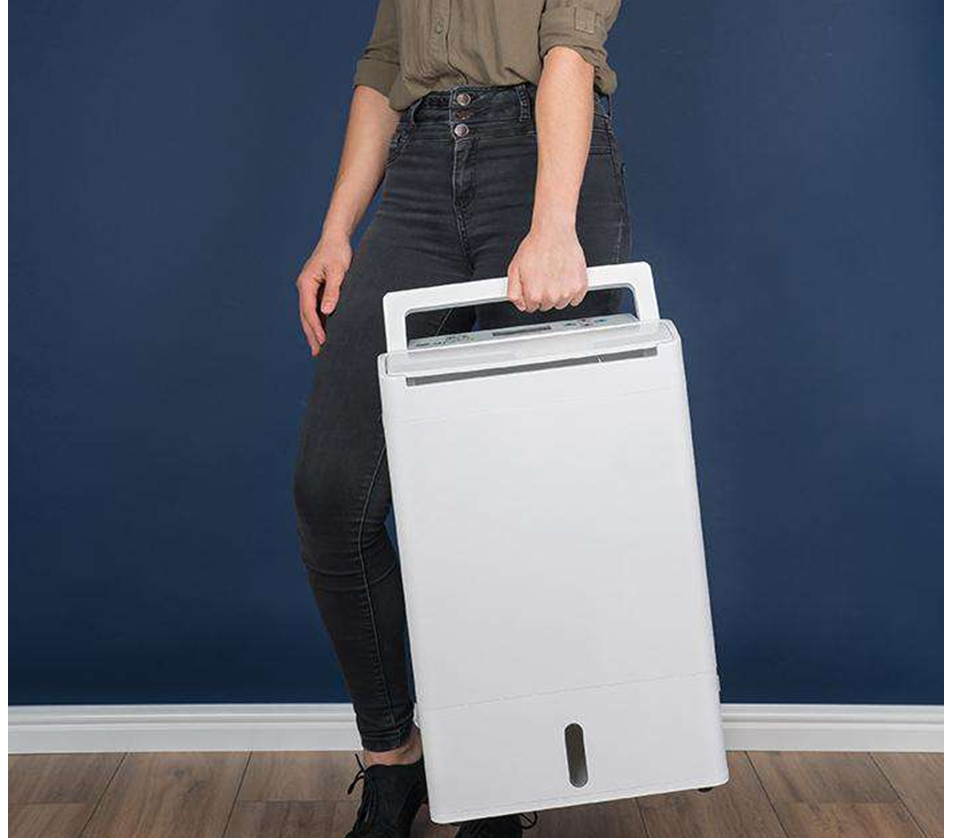
In some homes, moisture levels remain high despite good ventilation and insulation. In this situation, investing in a quality dehumidifier can help. A reliable option like the Meaco DD8L Zambezi Dehumidifier helps you control humidity by removing excess moisture from the air. It protects walls, floors, and furniture from absorbing dampness.
Bottom Line
Controlling water and moisture is a daunting task. However, by following the aforementioned tips and tricks, keep humidity at a healthy level. It will reduce condensation, prevent mould growth, and create a more comfortable living environment.