
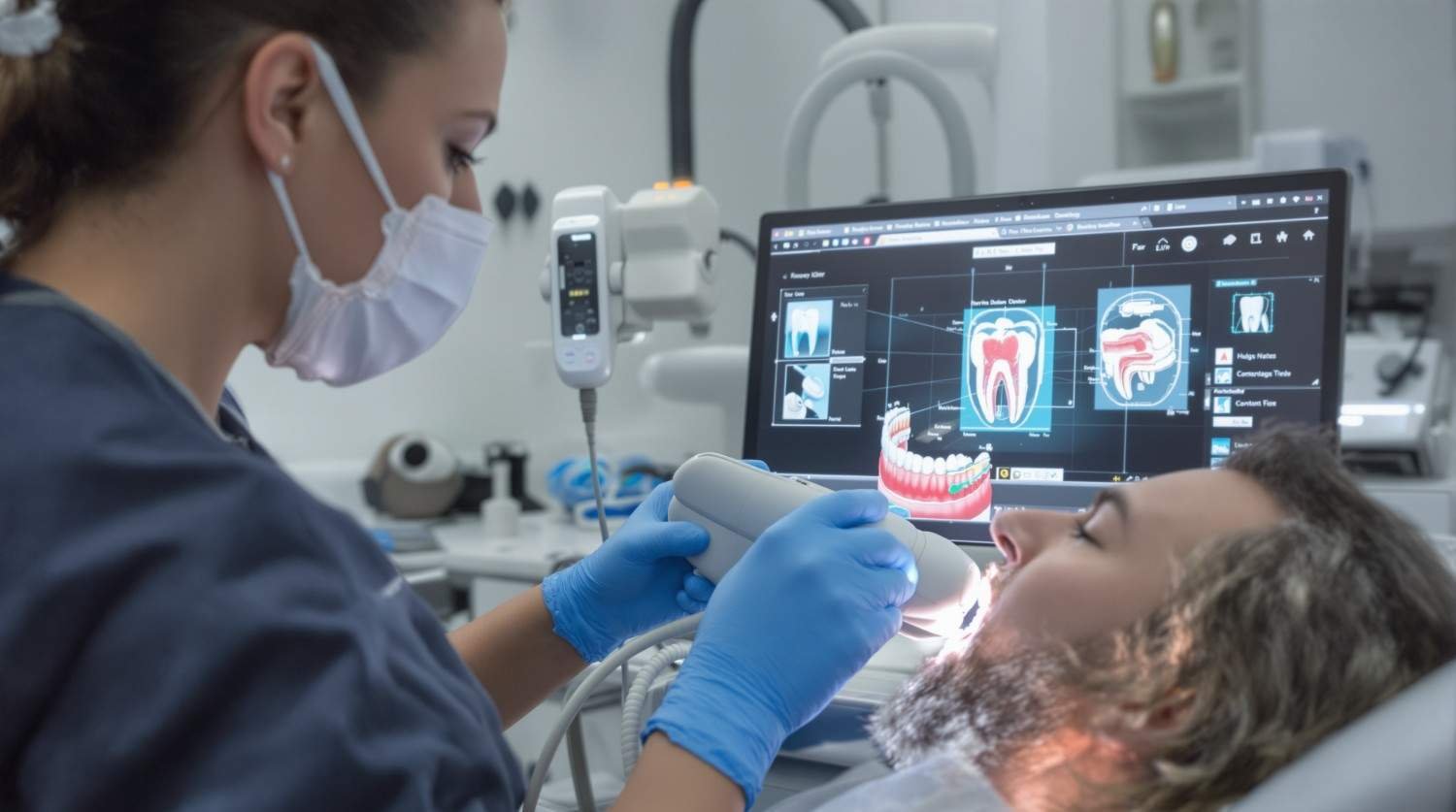
Over recent years, dental clinics across Australia have experienced a significant transformation, driven largely by rapid technological innovation. Traditional methods that once relied on manual impressions, handwritten records, and extended waiting times are steadily being replaced by efficient digital systems. Patients no longer need to endure uncomfortable moulds for impressions, as digital scanners now capture precise images of teeth and gums within minutes. This shift not only improves accuracy but also enhances patient comfort and overall satisfaction, setting a new standard for modern dental care.
Digital Imaging and Accurate Diagnostics
One of the most impactful advancements in dentistry is the introduction of digital imaging technologies. Tools such as intraoral scanners and 3D imaging systems provide dentists with detailed, real-time visuals of a patient’s oral condition. These high-resolution images enable early detection of cavities, gum disease, and structural issues that might otherwise go unnoticed.
Accurate diagnostics lead to better treatment planning and reduce the likelihood of complications. Additionally, digital records streamline the storage and retrieval of patient information, allowing dental professionals to access histories instantly and collaborate more effectively when required.
CAD/CAM and Same-Day Restorations
Computer-aided design and manufacturing (CAD/CAM) technology has revolutionised restorative procedures. Treatments that once required multiple visits, such as crowns and veneers, can now often be completed in a single appointment. Dentists can design, produce, and fit restorations on-site, eliminating the need for temporary solutions and lengthy waiting periods.
This innovation benefits both patients and clinics. Patients enjoy quicker results and fewer disruptions to their schedules, while clinics can operate more efficiently and maintain greater control over quality. The convenience of same-day dentistry reflects the growing demand for fast, reliable healthcare services.
Teledentistry Expanding Access
Teledentistry is another technological advancement reshaping how dental care is delivered. Through video consultations and online platforms, patients can seek advice, receive preliminary diagnoses, and discuss treatment options without physically visiting a clinic. This is particularly beneficial for individuals in rural or remote areas where access to dental services may be limited.
By enabling early intervention and reducing unnecessary in-person visits, teledentistry improves accessibility while maintaining high standards of care. It also allows dentists to prioritise urgent cases more effectively, ensuring timely treatment for those who need it most.
Artificial Intelligence in Modern Clinics
Artificial intelligence (AI) is becoming an integral part of dental practices. AI-powered software can analyse radiographs and identify potential issues with impressive accuracy, assisting dentists in making well-informed decisions. This reduces the risk of oversight and enhances diagnostic confidence.
Beyond clinical applications, AI is also improving administrative efficiency. Automated scheduling systems, digital patient communication, and streamlined billing processes reduce the workload on staff, allowing them to focus more on patient care. As AI continues to evolve, its role in dentistry is expected to expand further.
Enhancing the Patient Experience
Technology has significantly improved the overall patient experience within dental clinics. Online booking systems, digital reminders, and user-friendly platforms make it easier for individuals to manage appointments and stay on top of their oral health. Some clinics are even incorporating virtual reality tools to help patients better understand procedures and alleviate anxiety.
For those exploring care options, finding reliable dentists near your area has become far more convenient thanks to digital tools that provide access to reviews, services, and appointment availability in just a few clicks. This level of transparency empowers patients to make informed decisions and choose providers that suit their needs.
Infection Control and Safety Innovations
Maintaining a safe and hygienic environment is a top priority in dental clinics, and technology has played a crucial role in enhancing infection control measures. Automated sterilisation systems, advanced air filtration units, and digital tracking of instruments ensure that strict hygiene standards are consistently met.
These advancements not only protect patients but also create a safer workplace for dental professionals. In a post-pandemic world, such innovations are essential in building trust and confidence among patients seeking dental care.
Preventive Care and Patient Education
Technology is also transforming preventive dentistry by encouraging better oral health habits. Mobile apps and smart devices, such as electric toothbrushes with tracking features, provide real-time feedback and personalised recommendations. These tools help patients maintain proper oral hygiene between visits, reducing the likelihood of serious dental issues.
Education remains a cornerstone of prevention, particularly for younger patients. Parents and caregivers can benefit from resources focused on getting started with early childhood dental care, ensuring children develop strong oral hygiene habits from an early age. Early intervention, supported by digital tools and accessible information, can significantly improve long-term dental outcomes.
Emerging Trends Shaping the Future
Looking ahead, the future of dental clinics will continue to be shaped by technological advancements. Innovations such as 3D printing, robotic-assisted procedures, and improved biomaterials are already beginning to influence the industry. These developments promise even greater precision, efficiency, and comfort for patients.
As dental technology evolves, clinics that embrace these innovations will be better equipped to meet changing expectations. The integration of digital tools into everyday practice is no longer optional but essential, redefining how dental care is delivered and experienced across Australia.
