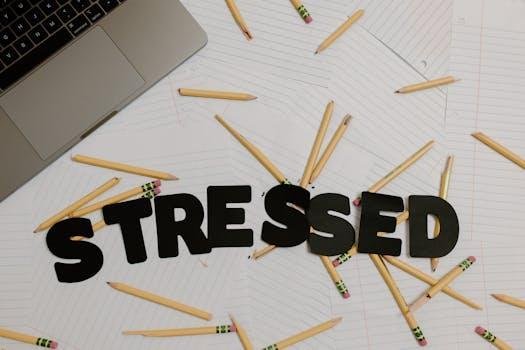
Pressure sells itself as virtue. It wears a respectable suit. It speaks in the voice of productivity, ambition, and even love. Keep pushing. Keep proving. Keep tightening the screw until the machine squeals. Yet the human body doesn’t read motivational posters. It reads signals. Cortisol rises. Sleep fractures. Digestion sulks. The mind starts doing that dreadful trick where every small task becomes a referendum on personal worth. Letting go of pressure sounds like surrender to an anxious culture. It isn’t. It’s a strategic refusal to confuse strain with meaning, and it leads to steadier mood, clearer thinking, and a body that stops bracing for impact.
Pressure Is Not a Personality
The modern habit treats pressure as identity. Busy equals important. Stressed equals committed. That logic doesn’t just mislead. It injures. The nervous system can’t stay in alarm forever without demanding payment, and it collects in headaches, jaw tension, irritability, and thin patience that snaps at the least provocation. People chase relief in odd places. Some reach for ritual, others for exercise, and others for a quiet evening that actually stays quiet. Some people consider CBD flower not as a magic wand but as part of a wider attempt to soften self-demand. Dropping pressure means stripping away the fantasy that suffering proves seriousness. Seriousness can look calm.
The Body Keeps Score, Then Sends an Invoice
Pressure doesn’t float around as an abstract cloud. It lands on shoulders that climb towards the ears. It lands in breath that turns shallow, as if air counts as a luxury item. At midnight, it feels ravenous after landing in a stomach that forgets hunger. The body speaks in blunt dialects because it can’t write emails. Sleep becomes the first casualty, not always with insomnia and drama, but sometimes the quieter version, where sleep happens but never refreshes. Letting go starts with physical permission. Eat without bargaining. Rest without earning it. Move, because movement clears the mind.
Attention Shrinks Under Stress, Then Life Looks Smaller
Sustained pressure narrows attention. That’s useful during a crisis. It’s disastrous as a lifestyle. Under stress, the mind becomes a miser with focus, hoarding it for threats and deadlines. The result feels like life on a low ceiling. No wonder small inconveniences feel huge. The mind has no spare space. Letting go expands the frame again. Decisions sharpen because they stop arriving wrapped in panic. Creativity returns, not as a mystical gift but as a function of a brain that has room to roam. Relationships improve for an unromantic reason. People listen better when they aren’t rehearsing the next task.
Replacing Self-Whip With Standards That Make Sense
Letting go doesn’t mean abandoning standards. It means choosing standards that match human anatomy and the calendar’s stubborn physics. Perfectionism loves vague rules. Always be on. Never disappoint. Make it flawless. Those rules guarantee failure, then demand penance. Sensible standards look specific. Work ends at a set time. Messages wait. A task list stays short enough to respect reality. Boundaries sound selfish to a culture that profits from limitless availability. Boundaries also sound like sanity to anyone who has watched burnout flatten people. Pressure thrives on solitary struggle. Social support punctures it. A conversation can last an hour.
Conclusion
Well-being improves when pressure stops acting as the default setting. The shift looks modest from the outside. Fewer frantic apologies. More pauses. A willingness to do one thing at a time, as if that counts as a philosophy. The inner change runs deeper. The body stops bracing. The mind stops scanning for failure. Choices stop serving fear and start serving values. This isn’t softness. It’s competence. A calm person works better, loves better, and thinks better than a frantic one. Pressure promises control, yet it steals it. Letting go returns agency through small acts that don’t require rescue.