
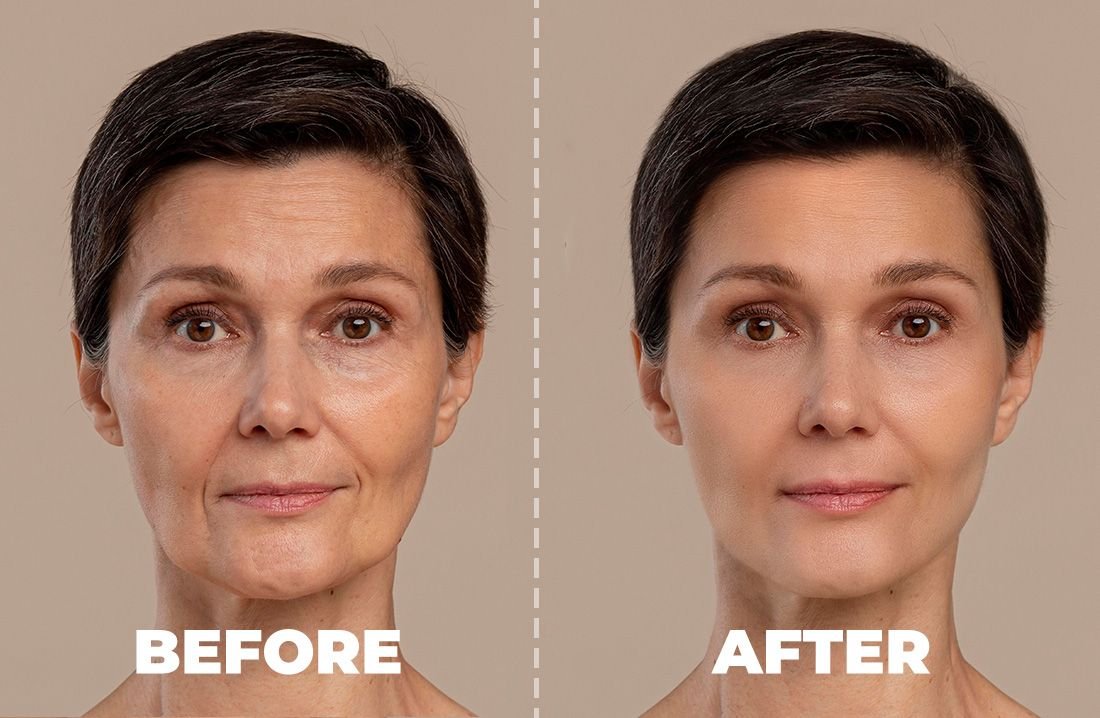
Facial rejuvenation has changed a lot. Not in a loud, dramatic way either. More in the way people think about results. Years ago, the conversation often centered on fast fixes, obvious plumping, and chasing a look that felt visibly “done.” That mood has shifted. Patients now ask different questions. They want subtle structure. Better skin quality. Longer-lasting support. Something that fits the face instead of sitting on top of it.
That is where products with a different role in treatment planning start to matter more. Not every injectable is meant to do the same job, and that is exactly why practitioners now have more room to personalize results. Some treatments are best for hydration. Some are ideal for soft volume. Others are chosen when the goal is support, contour, and a result that stays with the patient longer.
One option getting more attention in that conversation is radiesse dermal filler. It is often discussed when providers want a treatment approach that goes past short-term correction and leans into facial support that can hold up over time.
Why patients are asking for longer-lasting results
A lot of facial treatment decisions now come down to practicality. Patients are busy. They are budget-conscious. They also tend to be better informed than before. They come in after reading, watching, comparing. And many of them are no longer impressed by the idea of frequent touch-ups if those visits feel too close together.
That does not mean they want a frozen or overfilled look. Quite the opposite.
They usually want:
- Results that stay natural in motion
- Better definition without harshness
- Fewer maintenance appointments
- A treatment plan that feels worth the investment
That changes the consultation. The provider is no longer simply filling a line or adding volume to one spot. The provider is often thinking more broadly: midface support, facial balance, tissue quality, and how to build a result that still looks good months down the line.
This is why longer-lasting fillers keep coming up in more treatment plans. They answer a very real patient preference. People want staying power, but they also want that staying power to look believable.
Facial rejuvenation is not only about adding volume
This is one of the biggest shifts in aesthetics right now. Rejuvenation is no longer viewed as a simple matter of replacing lost fullness. That can be part of it, yes. But the more experienced approach tends to be more structural.
Faces age in layers. Skin changes. Fat pads shift. Bone support appears less pronounced. Contours soften. The result is not always “emptiness” alone. Sometimes it is sagging. Sometimes flattening. Sometimes a general loss of firmness that makes the face look tired even before deep wrinkles become the main issue.
That is why some treatment choices are better suited to support and shaping rather than just softness.
A filler that can help restore definition in areas like the cheeks or jawline changes the whole impression of the face. It can make features look more lifted, more rested, more stable. Not exaggerated. Just more in place.
And that matters because people rarely walk into a clinic asking for “more filler” anymore. They ask to look fresher. Less tired. Less drawn. More like themselves from a few years ago.
The appeal of a product that works with structure
When a treatment is selected for structural support, the whole strategy changes. The injector starts thinking about framework rather than surface correction. That can make a major difference in the final result.
In many faces, the issue is not one isolated line. It is that the surrounding support is weaker than it used to be. Once that support is improved, the face often looks better in a more complete way. Cheeks can appear stronger. Lower face contours may look cleaner. Even the overall transition between facial zones can feel more harmonious.
This is one reason certain biostimulatory and supportive fillers are becoming more relevant in modern practice. They offer something that many patients now value: a result that feels built, not simply placed.
That distinction is important. A face that has been treated thoughtfully tends to hold expression better. It photographs better. It ages better after treatment too, because the outcome is tied to shape and support, not only to puffiness or temporary correction.
Why practitioners value flexibility in treatment planning
Experienced injectors rarely rely on one category of product for every patient. That would be too simplistic. Every face brings its own anatomy, movement pattern, aging pattern, and priorities.
Some patients need softness in one area and firmer support in another. Some need contour more than volume. Some are not trying to look younger in a dramatic sense; they simply want their face to look less depleted.
This is where having multiple tools matters.
A product chosen for longer-lasting support may work especially well in patients who:
- Have mild to moderate volume loss with contour changes
- Want visible improvement without frequent repeat visits
- Prefer definition in areas such as cheeks or jawline
- Need a treatment that fits into a broader full-face plan
That broader plan is the key point. Good rejuvenation rarely comes from treating one feature in isolation. The best outcomes usually happen when the injector considers how each area relates to the next.
A stronger cheek can soften the appearance of the lower face. Better contour can reduce the sense of heaviness. Small structural improvements can create a fresher look without chasing every fold directly.
Longer-lasting does not mean better for everyone
This is worth saying clearly. A longer-lasting filler can be a strong option, but it is not automatically the right one for every patient or every treatment area.
That is where clinical judgment matters. The injector has to assess the skin, the degree of volume loss, the movement of the face, and the patient’s expectations. Some individuals do better with softer products. Others benefit from combining different treatment types over time rather than relying on one session.
So the rise in demand for longer-lasting facial rejuvenation should not be viewed as a trend with one answer. It is more accurate to see it as part of a larger move toward customized care.
Patients are more open to hearing why one product may suit the cheeks while another works better elsewhere. They are also more receptive to staged treatment plans. That is actually a healthy change. It makes aesthetics feel less like a menu and more like a proper medical consultation.
The emotional side of facial rejuvenation
This part gets overlooked, but it matters more than people admit.
Most patients are not walking in because they want a new face. They are reacting to a moment. Looking tired in photos. Seeing heaviness around the mouth. Feeling that the mirror has started showing stress before they even speak. It is rarely vanity in the cartoonish sense people imagine. It is often about recognition.
They want their reflection to make sense again.
That is why treatments that focus on support and longevity can feel reassuring. They suggest a more measured approach. Less chasing. Less constant upkeep. More stability. And for many patients, that kind of plan feels calmer and more intentional.
There is also a confidence factor. When the face looks supported rather than obviously altered, people tend to feel more comfortable socially and professionally. They do not want questions. They want ease. They want to look well, not explained.
Why this category is likely to stay relevant
The aesthetics market keeps changing, but some shifts are clearly sticking. One of them is the move toward treatments that fit a long-game mindset. Patients are less interested in quick novelty. They are more interested in treatments that make sense over time.
That means demand will likely stay strong for options that can provide:
- Structural improvement
- Natural-looking contour
- Longer treatment intervals
- A role in full-face rejuvenation planning
This does not push softer fillers out of the picture. Not at all. It simply gives providers more range. And range matters because the modern patient does not fit one template.
Some want subtle lift. Some want more shape. Some want fewer appointments. Some want a treatment plan that feels strategic from the start. A product designed with longevity and support in mind fits neatly into that reality.
The bigger picture for clinics and patients
The real story here is not only about one filler. It is about where aesthetic medicine is heading. Clinics are moving toward more individualized planning. Patients are asking sharper questions. Results are expected to look natural, last well, and support the face in a believable way.
That is why products associated with structure and durability continue to gain attention. They open up possibilities for practitioners who want to treat aging with more precision, and for patients who want outcomes that feel refined rather than obvious.
Facial rejuvenation is no longer just about filling what looks empty. It is about reading the face properly. Supporting what has shifted. Respecting natural shape. Building results that still make sense months later.
And honestly, that is probably why this approach is getting so much traction. It feels more mature. More considered. More in tune with what people actually want when they sit down in the chair.