
A roof is the home’s first line of defense against the elements. Yet, many homeowners don’t think about the science behind roofing performance until a leak appears or shingles begin to curl. Understanding what makes a roof durable (and what causes it to fail!) can help homeowners make smarter decisions about materials, maintenance, and long‑term value. Roofing longevity isn’t just luck; it’s the result of engineering, environmental awareness, and proper care.
The Hidden Forces That Break Down a Roof
Roofs endure constant stress from sun, wind, rain, and temperature swings. UV radiation slowly degrades asphalt and other roofing materials, causing them to become brittle over time. Thermal expansion and contraction create micro‑cracks that widen with each season. Moisture, especially in humid climates, can seep beneath shingles and weaken the underlying structure. Even small issues, like debris buildup or clogged gutters, can accelerate deterioration by trapping water where it doesn’t belong.
These forces work quietly but relentlessly. Without intervention, they eventually lead to leaks, mold growth, and structural damage. Understanding these stressors is the first step toward preventing them.
Material Matters: Why Some Roofs Outlast Others
The lifespan of a roof is heavily dependent on what materials are used. Asphalt shingles remain the most common choice due to affordability and ease of installation, but they vary widely in quality. Architectural shingles, for example, offer greater thickness and wind resistance compared to basic three‑tab shingles.
Metal roofing, clay tiles, and synthetic composites provide even greater longevity, often lasting several decades with minimal maintenance. Their durability comes from inherent resistance to UV degradation, moisture absorption, and temperature fluctuations. While these materials may cost more upfront, their extended lifespan make them a cost‑effective investment over time.
In regions with intense heat or frequent storms, homeowners often turn to specialists such as Austin Roofing professionals who understand how local climate patterns influence material performance.
Installation: The Often‑Overlooked Key to Longevity
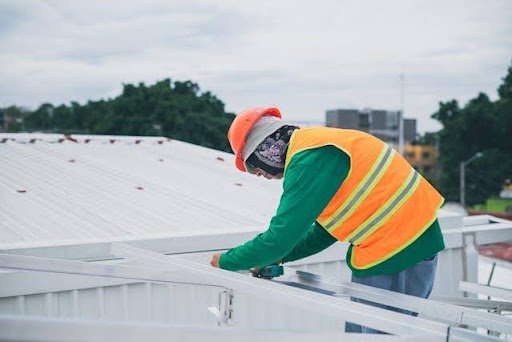
Even the highest‑quality roofing materials can fail prematurely if installed incorrectly. Proper installation requires precision, experience, and adherence to manufacturer guidelines. Underlayment must be applied smoothly and securely. Flashing must be placed in vulnerable areas such as valleys, chimneys, and skylights. Ventilation must be balanced to prevent heat and moisture buildup in the attic.
A roof that is expertly installed can withstand decades of weather exposure, but a roof installed with shortcuts or errors may begin falling apart within a few years. Homeowners often underestimate how much installation quality affects long‑term performance, but it is one of the most critical factors in roof longevity.
Maintenance: The Science of Prevention
Routine maintenance is essential for extending a roof’s lifespan. Periodically removing debris, trimming overhanging branches, and inspecting flashing can prevent major issues. Annual or biannual inspections help identify early signs of wear, such as loose shingles or minor water intrusion, before they escalate into costly repairs.
Moisture management is especially important. Water is a roof’s greatest enemy, and even a tiny breach can lead to rot or mold. By addressing minor problems promptly, homeowners can significantly delay the need for a full roof replacement.
Climate Considerations and Long‑Term Planning
Every region presents unique challenges that influence roofing performance. Coastal areas face salt exposure and high winds. Hot climates accelerate UV damage. Cold regions experience freeze‑thaw cycles that stress roofing materials. Choosing the right roofing system means understanding these environmental factors and planning accordingly.
Homeowners who consider climate, material science, and maintenance together are better equipped to make decisions that maximize roof longevity.
Conclusion
A long‑lasting roof is the result of thoughtful choices and consistent care. By understanding the forces that cause leaks, selecting durable materials, ensuring proper installation, and maintaining the roof over time, homeowners can significantly extend the life of their roofing system — and improve their peace of mind. After all, a roof is not just a structural component — it’s a long‑term investment in the safety, comfort, and value of a home.