
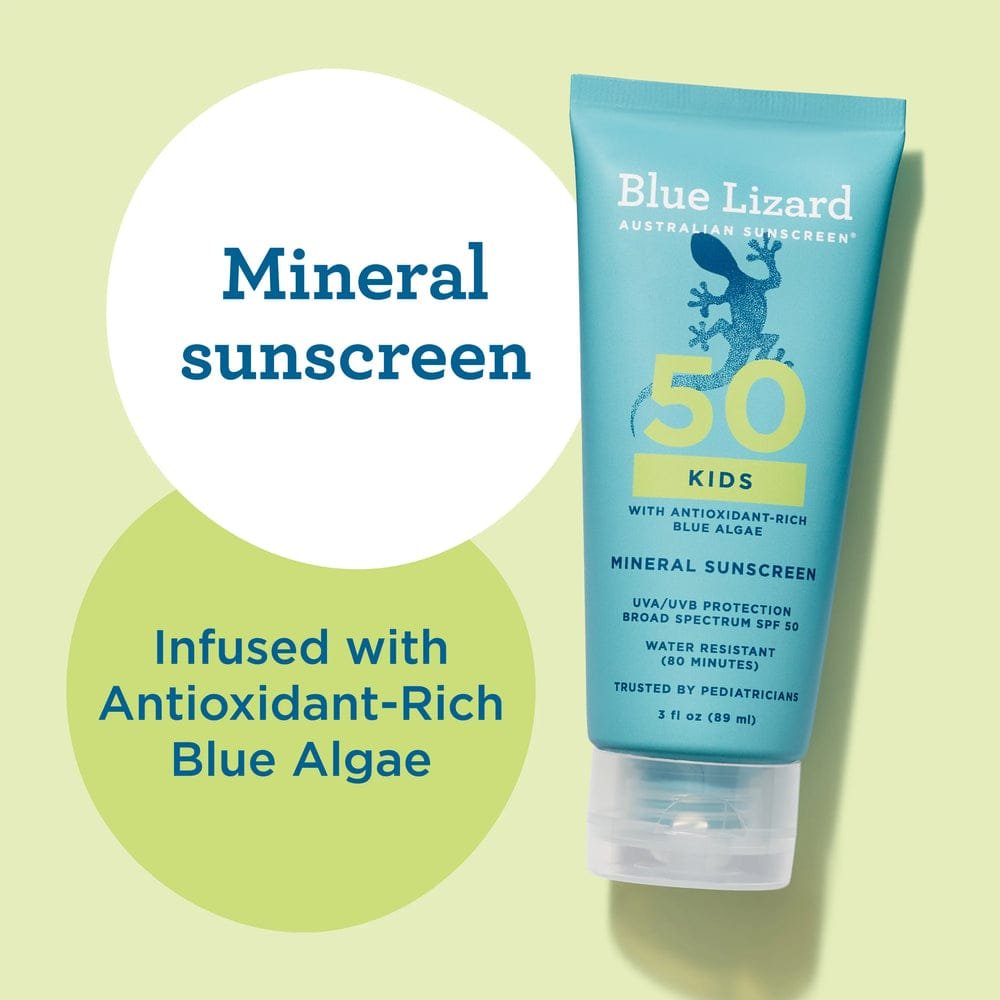
TL;DR: Both mineral and chemical sunscreens protect kids from the sun, but mineral formulas are usually the easier choice for sensitive skin, which is why many parents stick with zinc oxide products.
Your kids spend a lot of time outside. Whether it’s playing soccer, swimming, or just spending time in the yard, sun exposure can add up pretty quickly. Children’s skin is thinner and more sensitive than adult skin, meaning that getting the right product to protect them matters. So in the mineral vs chemical sunscreen debate – which is best?
Both protect young skin against the sun, but they protect differently, feel different on the skin, and will suit different needs. Knowing what actually separates them makes the decision a lot easier.
Mineral vs Chemical Sunscreen? What’s the Difference?
So let’s get to it. Mineral vs chemical sunscreen? What’s really happening inside each bottle of sun protection? Well, mineral sunscreens use zinc oxide or titanium dioxide to block UV rays, and the ingredients sit on the surface of the skin and reflect radiation away rather than letting it in.
Chemical sunscreens work the other way around, absorbing UV radiation and converting it into heat that gets released from the skin.
- Mineral formulas reflect UV rays away from the skin. Chemical ones absorb them and release the energy as heat.
- Mineral sunscreen works right away, while chemical sunscreen needs around 15–20 minutes to activate.
- Texture-wise, chemical sunscreens tend to feel a bit lighter, while mineral formulas sit slightly thicker on the skin.
For kids, none of that is just technical detail, as it really can affect how easy the sunscreen is to use and how well their skin tolerates it day to day. These are the factors that guide you to the right option.
Why Mineral Sunscreen Is Often Recommended for Kids
The main reason mineral sunscreen gets recommended for children is that it doesn’t absorb into the skin the way chemical sunscreen does. This can significantly reduce the chance of it causing irritation – which is exactly what you want with delicate skin.
The fact it works immediately is genuinely useful, too. Children are rarely patient about waiting around before they run off to play, and not having to factor in a 20-minute window before they go off and play in the sun can be a real game-changer.
Most good mineral formulas are also made without fragrances, dyes, and unnecessary additives, which are common culprits behind skin reactions. For everyday use, that simplicity is a real bonus.
Mineral vs Chemical Sunscreen? Zinc Oxide Wins Every Day
When you’re choosing sunscreen for your kids, the main thing you want is something that protects their skin without causing any irritation problems. That’s why mineral sunscreens are such a good fit for kids, as their zinc oxide or titanium dioxide formulas don’t have to be absorbed, making them about as gentle as they can be.
If you’re deciding between mineral and chemical sunscreen, mineral products win out pretty much every time. In a nutshell, they’re typically gentler and provide protection the instant they’re put on. So, the next time you’re in the sunscreen aisle or you’re buying online, it’s wise to keep that in mind.
These small choices can mean the difference between nights full of discomfort and tears and restful sleeps after a super fun day out.
