
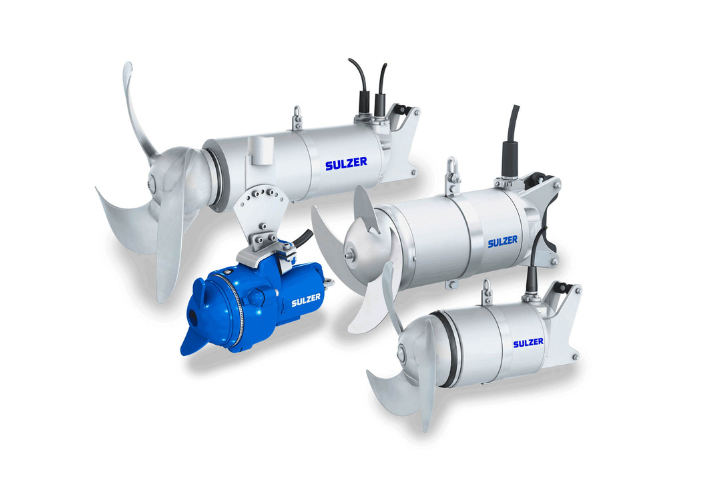
In many wastewater treatment plants, mixing equipment runs almost nonstop. Submersible agitators sit deep inside tanks where they are constantly exposed to sludge, fibers, sand, and chemicals. These conditions are tough, even for heavy-duty equipment. Over time, the constant movement and contact with solids can slowly wear down components if the system is not cared for properly.
Keeping an agitator in good working condition is important for several reasons:
- Reliable mixing keeps solids suspended in the water
- It prevents sludge from settling at the bottom of tanks
- Stable mixing helps biological treatment processes work efficiently
- Fewer mechanical problems mean fewer unexpected shutdowns
According to the U.S. Environmental Protection Agency (EPA), proper mixing and circulation are essential for maintaining stable wastewater treatment performance, especially in activated sludge systems where solids must remain evenly distributed in the tank.
Because these machines play such a critical role, operators often focus on ways to keep them running smoothly for as long as possible. Small decisions, from how the agitator is installed to how often it is inspected, can make a noticeable difference in its lifespan.
The sections ahead explore practical steps that help wastewater facilities protect their mixing equipment and keep operations running steadily.
Choosing the Right Equipment for the Tank
Selecting the right agitator is often the first step toward a longer equipment lifespan. Even the most durable mixing system can wear out faster if it is not suited to the tank where it operates. Wastewater tanks vary widely in size, depth, and sludge concentration, and these factors directly affect how much mixing power is needed.
Tank Size and Mixing Needs
Tank dimensions play a major role in circulation patterns. Larger tanks require stronger flow to keep solids evenly suspended, while smaller basins usually need less thrust. Sludge thickness also matters because dense solids create more resistance for the propeller.
For example:
- Small tanks may operate efficiently with lower thrust mixers
- Large basins often require stronger circulation to prevent settling
When the agitator is properly matched to the tank, the motor and propeller work more smoothly and experience less mechanical strain.
Propeller Design and Motor Strength
Modern wastewater agitators are designed to handle tough conditions. Key features often include:
- Durable propellers built to move high volumes of liquid
- Sealed motors that protect internal components from water exposure
- Blade designs that reduce clogging from fibers and debris
These improvements help the equipment maintain stable performance in tanks filled with solids.
Facilities that rely on dependable mixing often choose equipment such as a Sulzer submersible agitator, which is designed to keep wastewater moving efficiently inside treatment tanks.
Research from the Water Environment Federation (WEF) notes that proper equipment selection plays a major role in maintaining stable mixing and preventing solids buildup in wastewater systems.
Proper Installation Helps Prevent Early Wear
Choosing the right agitator is only part of the equation. Installation also has a big influence on how well the equipment performs over time. A well-built agitator can still struggle if it is placed incorrectly inside the tank.
Positioning the Agitator in the Tank
Proper placement helps the mixer create an even flow pattern throughout the basin. Operators usually consider several factors when installing the unit:
- Correct operating depth so the propeller stays fully submerged
- Proper mounting angle to push water across the tank
- Avoiding placement too close to walls or corners
Poor positioning may create dead zones where sludge settles and circulation slows down.
Avoiding Obstructions
Another common issue involves obstacles that interrupt the flow created by the agitator. Pipes, tank supports, or other equipment can block circulation if the mixer is placed too close to them.
Common problems include:
- Pipes or cables blocking the flow path
- Debris collecting near the propeller
- Structural elements disrupting circulation
A clear flow path allows the agitator to move water smoothly, which reduces stress on the motor and propeller over time.
Simple Maintenance That Keeps Agitators Running Longer
Routine maintenance is one of the most effective ways to extend the life of a submersible agitator. Because the equipment operates in harsh conditions, small checks can prevent minor issues from turning into costly repairs.
Check the Propeller Regularly
Wastewater often contains fibers, plastics, and organic debris. These materials can wrap around the propeller blades and interfere with mixing performance.
Operators can prevent problems by:
- Performing quick visual inspections
- Removing debris before it builds up
- Watching for damaged or worn blades
Even small amounts of buildup can create imbalance, which may lead to vibration over time.
Monitor Seals and Bearings
Submersible agitators rely on sealing systems to protect internal parts from water. If seals fail, moisture can reach bearings and electrical components.
Warning signs to watch for include:
- Oil leaks around the seal area
- Unusual noise during operation
- Increased vibration from the motor housing
According to guidance from the U.S. Environmental Protection Agency (EPA), routine inspection of seals and mechanical components helps prevent equipment failures in wastewater treatment facilities.
Keep an Eye on Performance
Operators should also pay attention to how the agitator performs during normal operation. Changes in circulation patterns may signal early mechanical issues.
Possible warning signs include:
- Slower water movement in the tank
- Solids settling more quickly than usual
- New or unusual vibration during operation
Spotting these changes early allows maintenance teams to address problems before they lead to larger breakdowns.
Good Operating Habits Reduce Stress on Equipment
Daily operation also plays a role in how long an agitator lasts. Small adjustments in how the equipment is used can reduce strain on key components and help maintain steady performance.
Avoid Frequent Start and Stop Cycles
Electric motors experience the greatest stress during startup. Repeatedly turning equipment on and off can increase wear on internal components.
Whenever possible, maintaining steady operation is often easier on the system and helps reduce long-term mechanical fatigue.
Maintain Proper Liquid Levels
Liquid levels inside the tank are another important factor. If the level drops too low, the propeller may not remain fully submerged.
This can lead to several issues:
- Propellers becoming partially exposed
- Uneven mixing patterns
- Increased vibration during operation
Keeping the proper liquid depth helps maintain stable circulation.
Keep Solids Moving
When sludge settles heavily at the bottom of a tank, the agitator must work harder to restart circulation. This sudden load can strain the motor and propeller.
Maintaining consistent mixing prevents solids from compacting and keeps the load on the equipment more balanced. Over time, this steady operation helps reduce wear and extends the life of the agitator.
When Large Tanks Need Additional Flow Support
In some wastewater facilities, tanks are so large that a single mixer cannot maintain strong circulation across the entire basin. Long channels, wide tanks, and deep sludge zones can weaken the flow created by one agitator. When circulation slows down in certain areas, solids may begin settling at the bottom, which reduces mixing efficiency and can affect treatment performance.
Operators often notice a few common issues in very large tanks:
- circulation becomes weaker at the far ends of the basin
- sludge starts settling in corners or low-flow zones
- mixing becomes uneven across wide areas
In these situations, additional circulation equipment can help move larger volumes of water and maintain steady flow across the tank. These systems support the main mixer by pushing water through sections where natural circulation is weaker.
In large treatment basins, operators sometimes combine circulation systems with a Sulzer submersible agitator so the entire tank maintains steady movement instead of forming slow-moving zones.
Engineering guidance published by the Water Environment Federation explains that maintaining uniform circulation across treatment basins helps prevent solids accumulation and improves process stability in activated sludge systems.
https://www.wef.org/resources/publications/books/design-of-municipal-wastewater-treatment-plants/
Small Maintenance Habits That Make a Big Difference
Many equipment failures do not happen suddenly. In most cases, small issues develop slowly and go unnoticed until they cause bigger problems. A few simple maintenance habits can make a noticeable difference in how long an agitator continues to perform well.
Facilities often focus on practical steps such as:
- scheduling routine inspections during normal maintenance rounds
- removing debris before it collects around the propeller
- checking mounting brackets, guide rails, and power cables
- monitoring vibration levels from time to time
These checks do not usually take long, but they help identify early warning signs. Catching small problems early allows maintenance teams to correct them before they affect the motor, seals, or bearings.
Over time, consistent attention helps keep the equipment operating smoothly and reduces the likelihood of major repairs.
Conclusion
Submersible agitators work in some of the toughest conditions found in wastewater treatment systems. They operate underwater, handle heavy solids, and often run for long periods without stopping. Because of this demanding environment, their long-term reliability depends on several important factors.
A longer service life usually comes from a combination of:
- selecting the right equipment for the tank
- installing the agitator in the correct position
- performing routine inspections and maintenance
- operating the system under stable conditions
Thinking about maintenance as preventive care rather than emergency repair can make a big difference. Small checks, proper installation, and balanced tank circulation all help reduce unnecessary strain on the equipment.
With the right setup and consistent attention, wastewater facilities can keep their mixing systems operating efficiently and extend the working life of their agitators for many years.
