
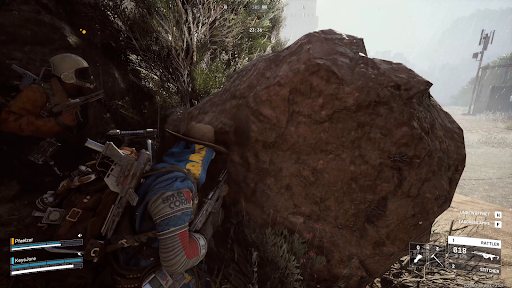
Look, I’ve died more times than I’d like to admit in ARC Raiders because I ran out of ammo at the worst possible moment. You know that feeling when you’re cornered, click your mouse, and… nothing? Yeah, that’s what happens when you don’t think ahead about your resources.
This game punishes you hard for poor planning. But here’s what I’ve learned after hundreds of hours: managing your stuff isn’t rocket science, but it does require you to actually think before you loot every shiny object you see.
Why Most Players Get Resource Management Wrong
Here’s the thing—most beginners treat ARC Raiders like it’s some casual shooter where ammo just magically appears. Wrong. Dead wrong.
I watched my friend fill his entire backpack with rusty scrap metal during his first raid. “It might be useful,” he said. Ten minutes later, he couldn’t pick up a legendary weapon mod because he had no space. That’s the kind of mistake that’ll make you want to uninstall.
The real trick? Understanding what’s actually valuable versus what just looks shiny. Some materials seem rare but are actually everywhere once you know where to look. Others appear common but become bottlenecks when you’re trying to craft end-game equipment.
When you first grab your ARC Raiders Steam key and jump in, you’re basically learning a whole new economy. Copper wire isn’t just copper wire—it’s a potential upgrade to your weapon’s fire rate. That medical kit isn’t just health—it’s the difference between extracting with 50,000 credits worth of loot or respawning with nothing.
What You Should Actually Be Picking Up
Forget everything you learned from other looters. In ARC Raiders, your backpack space is precious real estate.
I prioritize weapon attachments above almost everything else. Why? Because a decent gun with the right mods absolutely destroys an expensive gun with garbage attachments. I’ve taken down players with way better gear than me just because my recoil stabilizer and extended mag gave me the edge in firefights.
High-tier ammunition comes next. Regular bullets work fine for robots and weak enemies, but when you’re facing heavily armored opponents or other players, you need that armor-piercing stuff. Don’t cheap out here. I keep at least two full magazines of premium ammo at all times.
Medical supplies are non-negotiable. I don’t care if you think you’re some kind of dodging expert—you will get hit. Pack stims, bandages, and at least one trauma kit. The trauma kit especially, because bleeding out while crawling to extraction is genuinely the most frustrating way to lose everything.
Crafting components get weird because some are deceptively important. Electronic circuits and polymer compounds seem boring, but they’re needed for almost every worthwhile upgrade. Meanwhile, scrap metal and basic alloys? You’ll be drowning in those after a few raids.
How I Actually Prepare Before Each Raid
I learned this lesson after losing a fully kitted loadout: preparation isn’t optional.
Before anything else, I check what I’m trying to accomplish. Quick resource run to a low-risk area? I bring a pistol, light armor, and maximum storage space. Planning to contest high-value zones? Full combat loadout, heavy armor, limited storage because I’m probably taking stuff from defeated enemies anyway.
Something that helped me massively was organizing my stash properly. I used to just dump everything into storage randomly, then waste 15 minutes before each raid trying to find specific items. Now I’ve got sections—one for ammo sorted by caliber, one for meds, one for crafting stuff, one for equipment mods. Sounds basic, but it’s genuinely saved me hours.
Creating loadout presets changed my whole approach. I’ve got my “Scavenger” setup with minimal combat gear and maximum bags. My “Hunter” loadout is all about PvP with high-end weapons and armor. My “Balanced” option splits the difference for when I’m not sure what I’ll encounter. Just grab the preset and go instead of manually equipping everything each time.
Oh, and here’s something nobody tells you—check the market prices before you raid. If medical supplies are expensive right now, maybe craft them instead of buying. If weapon parts are cheap, stock up because you know they’ll spike later. This kind of awareness turns resources into profit.
The Crafting System Actually Matters
I ignored crafting for my first 20 hours. Massive mistake.
Once I actually learned the recipes, everything clicked. You don’t need to rely on lucky loot drops when you can just make what you need. The players who consistently succeed aren’t the ones finding the best stuff—they’re the ones producing it.
Start simple. Learn to craft basic ammo and medical supplies. These are items you use every single raid, so being self-sufficient here means you’re not constantly buying them or praying you find enough. I probably save 10,000+ credits per day just by crafting my own supplies instead of purchasing them.
Then move to equipment modifications. Scopes, grips, extended magazines—these aren’t that hard to craft once you have the blueprints and materials. Plus, you can sell extras for solid profit. I’ve funded entire premium weapon purchases just from selling crafted mods to other players.
But here’s the balance—don’t become a hoarder. I see players sitting on 5,000 units of crafting materials “saving them for later.” Later never comes, and meanwhile they’re running around with mediocre gear because they won’t use their resources. Use what you have. You can always get more.
Combat Economics (Or How to Not Waste Bullets)
Real talk: if you’re emptying entire magazines into every enemy, you’re doing it wrong.
Headshots matter in this game. A lot. One controlled headshot beats five panicked body shots every time. I practiced this in low-stakes areas until it became automatic. Now I’m barely using half the ammo I used to while being way more effective.
Not every fight is worth taking. I’ve watched players engage every enemy they see, burning through resources, then getting ambushed by another squad while they’re reloading with half health. Meanwhile, I picked my battles, stayed healthy, and cleaned up after everyone else exhausted themselves. Guess who extracted successfully?
Premium ammunition is for real threats only. I’m talking about armored mechs, boss enemies, or PvP encounters where I need maximum damage output. Using expensive rounds on basic robots is like burning money. Standard ammo works fine for 80% of encounters.
Also, learn to recognize when you’re beat. If you’re low on health and ammo, fighting is probably stupid. Extract, regroup, come back stronger. The ego hit of running away is way smaller than the actual hit of losing all your gear.
Different Playstyles Need Different Approaches
I mostly play aggressive, so my resource strategy looks different from stealth players.
Combat-focused players like me need ammunition reserves and armor. I accept that I’m carrying less loot capacity because half my backpack is medical supplies and spare magazines. But that’s fine—I take resources from other players. My profit comes from PvP victories, not scavenging.
My friend who plays super stealthy operates completely differently. He brings minimal combat gear, avoids every fight possible, and dedicates his entire inventory to high-value loot. He extracts with rare components while I’m still fighting. Different approach, same success.
The worst thing you can do is mix strategies poorly. Don’t bring a stealth loadout then pick fights. Don’t gear up for heavy combat then try to sneak around. Commit to your approach and build your resources around it.
Trading and Market Knowledge
The marketplace is where smart players make bank.
I track prices obsessively now. Certain resources spike based on what’s popular in the meta. When everyone’s crafting a specific weapon type, the materials for it become expensive. Sell then. Buy when nobody cares and prices drop.
Common materials in bulk actually sell surprisingly well. New players constantly need basic stuff, and they’ll pay decent prices for convenience. I’ve made thousands selling stacks of items I considered trash.
After you’ve done your Steam wallet top up Malaysia to access premium features, understanding these market patterns helps you get way more value from your investment. Money spent wisely goes further than money spent randomly.
Also, find regular trading partners. I’ve got a whole network of players who specialize in different things. One guy focuses on weapon parts, another hoards medical supplies, I stockpile ammo. We trade amongst ourselves at fair prices instead of getting gouged by the public market.
Playing the Long Game
Short-term thinking kills progression.
Set actual goals. Right now I’m working toward a specific weapon that requires three rare components. Instead of randomly raiding, I target locations where those components spawn. Focused farming beats aimless grinding every single time.
I maintain an emergency reserve that I never touch except in disasters. Backup weapons, a few thousand rounds of ammo, full medical supplies. It’s sitting there doing nothing 99% of the time, but that 1% when I lose everything in a terrible raid? That reserve is why I don’t quit the game out of frustration.
Track your expenses versus your income. I spent a week where I kept losing money despite completing successful raids. Turned out I was overspending on equipment I didn’t need. Once I identified the leak, I fixed it and became consistently profitable.
Squad Play Changes Everything
Solo is hard mode. Squad play makes resource management way easier.
My squad has roles. I’m the combat specialist with heavy firepower. Another guy is our resource expert who identifies valuable loot. Third person handles medical supplies and team support. Specialization means we’re way more efficient than three random players doing the same thing.
We share resources constantly. Someone needs weapon parts? I’ve got extras. I’m low on medical supplies? They’ll share. This mutual support system means individual bad raids don’t cripple anyone.
Plus, coordinated squads can tackle higher-risk, higher-reward areas that solo players can’t touch. The return on investment from a successful high-tier zone raid funds everyone for days.
Adapting to Updates and Meta Shifts
ARC Raiders changes constantly, and your strategies need to change with it.
I remember when a particular crafting recipe got buffed and suddenly everyone wanted those materials. Players who adapted early made fortunes. Players who ignored the change kept farming outdated stuff for no profit.
Review your performance honestly. After major raids, I ask myself: What worked? What failed? Where did I waste resources? This self-assessment has improved my gameplay more than any guide or tutorial.
When you’re ready to really dive deep, getting your ARC Raiders Steam key opens up an experience that rewards players who think strategically. This isn’t a game where you can brute force success by just playing more hours. Efficiency matters more than time invested.
Final Thoughts from the Wasteland
Resource management in ARC Raiders isn’t some boring spreadsheet exercise—it’s the core skill that separates players who consistently succeed from those who constantly struggle.
You don’t need perfect optimization. You don’t need to min-max every decision. You just need to think before you act, plan before you raid, and learn from your mistakes instead of repeating them.