
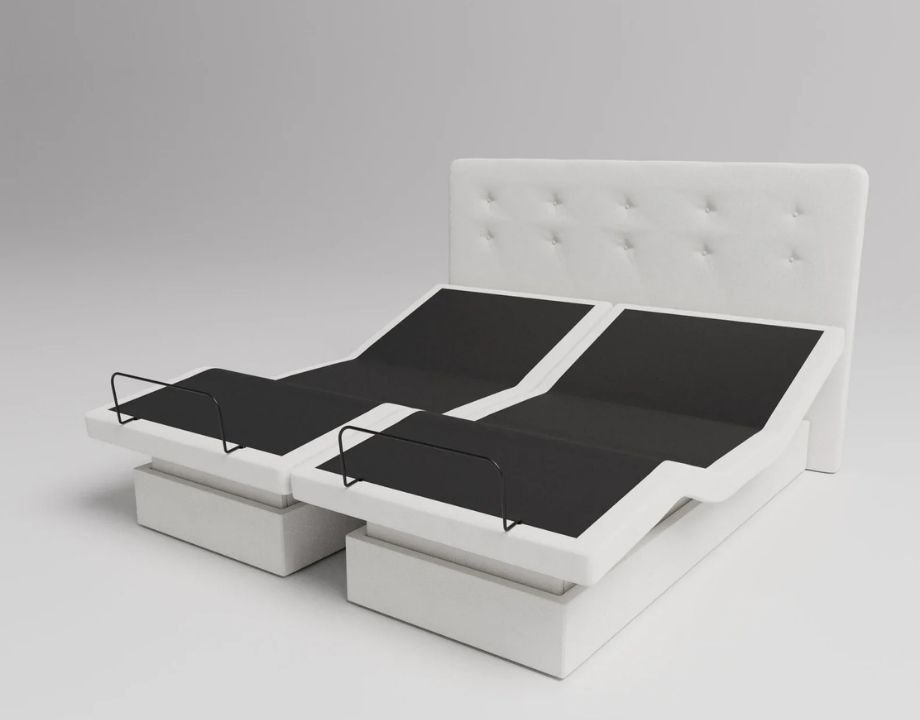
Sleep has changed dramatically in the past decade. Once viewed as a passive necessity, sleep is now recognized as a cornerstone of overall health — just as important as nutrition and exercise. With the rise of wearable trackers, smart beds, and integrated monitoring systems, technology is reshaping how we measure, manage, and improve sleep quality.
Today’s innovations allow us to optimize rest based on real data rather than guesswork, opening new possibilities for wellness, recovery, and long-term health.
Tech That Monitors Sleep: From Wearables to Smart Beds
The first wave of sleep technology came through wearable devices like smartwatches and fitness trackers. These tools monitor heart rate, movement, and breathing patterns to estimate sleep cycles and quality.
However, newer systems go even further. Bed-integrated monitoring solutions can track:
- Respiration rate
- Heart rate variability
- Restlessness
- Sleep efficiency
- Time spent in light, deep, and REM sleep
Because these sensors work beneath the mattress, they often provide more consistent data without requiring anything to be worn overnight.
Smart Beds Designed for Health and Accessibility
Modern adjustable beds are no longer just about comfort — they are engineered for support, safety, and therapeutic positioning. Advanced systems allow users to elevate the head or feet, improve circulation, and reduce pressure on joints.
For individuals recovering from injury, managing chronic conditions, or requiring mobility assistance, specialized sleep systems play an even greater role. Many caregivers and health-focused households turn to advanced hi-low adjustable beds designed for home care and recovery support, which provide full height adjustability along with ergonomic positioning features. These systems improve both user comfort and caregiver accessibility, making them ideal for long-term health applications.
Unlike traditional adjustable bases, hi-low systems raise and lower the entire sleep surface, offering enhanced safety and ease of transfer — features often found in medical environments but now increasingly available for home use.
How Sleep Data Supports Better Health Decisions
The real power of sleep technology lies in actionable insights. Instead of simply showing numbers, modern systems analyze patterns and offer suggestions.
For example:
- Identifying consistent wake times may signal stress or environmental disruption.
- Noticing breathing irregularities could encourage medical consultation.
- Detecting restlessness may lead to mattress or positioning adjustments.
Over time, these data points help individuals personalize their sleep setup to match their health goals.
The Expanding Role of Sleep in Overall Wellness
Research continues to connect quality sleep with:
- Immune function
- Hormonal balance
- Cognitive clarity
- Emotional regulation
- Cardiovascular health
As awareness grows, consumers are seeking solutions that blend comfort with measurable health benefits. Technology-driven sleep systems are meeting that demand.
Looking Ahead: The Next Evolution of Sleep Technology
The future of sleep innovation may include AI-driven coaching, automated environmental adjustments, and deeper integration with health tracking platforms. Beds may increasingly adapt in real time based on breathing, movement, or biometric signals.
As these advancements continue, one thing is clear: sleep is no longer passive. It is actively optimized through data, design, and intelligent engineering.
Final Thoughts
Technology is redefining how we think about rest. From biometric tracking to fully adjustable support systems, modern sleep solutions are built to improve not just comfort, but overall health outcomes. As innovation advances, investing in the right sleep environment becomes an important step toward long-term wellness.