
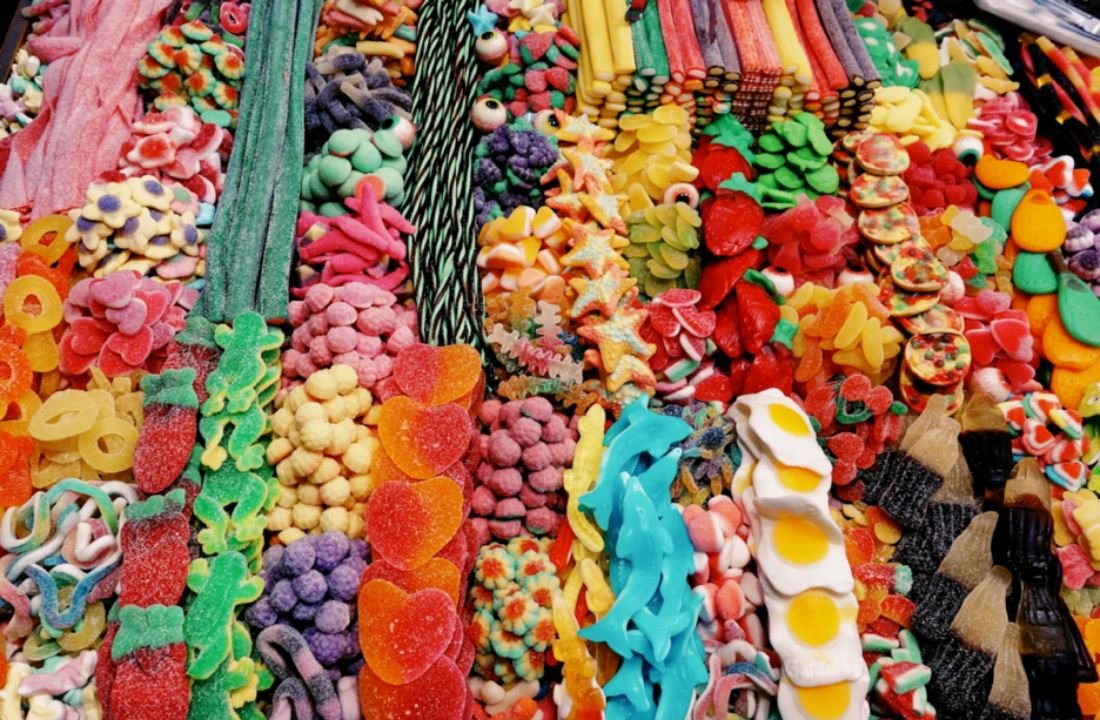
Festival culture is evolving. Where once the focus was purely on music and spectacle, today’s event-goers increasingly prioritize wellness alongside entertainment. This shift has created space for a once-niche product category: sugar-free candy. No longer relegated to the diabetic aisle or dismissed as a compromise, these confections have become a legitimate choice for anyone seeking to balance indulgence with health goals.
The appeal is straightforward. Sugar-free candy delivers familiar flavors and textures without the metabolic burden of traditional sweets. For festival attendees spending long days outdoors, often in heat and with limited food options, these treats offer a way to satisfy cravings without the energy crashes or dental concerns that come with conventional candy.
Understanding Sugar-Free Formulations
The term “sugar-free” has a specific regulatory meaning. According to FDA guidelines, products labeled as such must contain less than 0.5 grams of sugar per serving. This differs meaningfully from “no added sugar” products, which may still contain naturally occurring sugars from ingredients like fruit juice or milk.
Most sugar-free candies achieve their sweetness through sugar alcohols—polyols like xylitol, erythritol, and sorbitol—or high-intensity sweeteners such as stevia and sucralose. These substitutes provide the sensory experience of sugar while bypassing many of its physiological effects.
The Xylitol Advantage
Among sugar substitutes, xylitol has emerged as particularly noteworthy for its dual benefits. Beyond simply replacing sugar, this naturally occurring alcohol offers distinct health advantages:
- Dental protection: Unlike sugar, which feeds cavity-causing bacteria, xylitol actively inhibits their growth. Its effectiveness in reducing dental caries, making it a functional ingredient rather than merely a substitute.
- Glycemic stability: With a glycemic index of just 7 (compared to sugar’s 60-70), xylitol causes minimal blood glucose fluctuation, making it suitable for diabetics and those managing insulin sensitivity.
- Caloric reduction: At 2.4 calories per gram versus sugar’s 4, xylitol provides meaningful calorie savings for those tracking intake.
These properties explain why xylitol-based candies have moved beyond specialty health stores into mainstream festival vendor booths and convenience retailers.
Evaluating Hard Candy Options
Hard candies present particular advantages for festival settings—they’re portable, shelf-stable, and provide extended flavor without the mess of chocolate or gummies in heat. When selecting healthier options, several factors distinguish quality products:
- Sweetener source: Natural alternatives like xylitol and stevia generally offer better nutritional profiles than artificial sweeteners — John’s Healthy Sweets, Zollipops, and SmartSweets each formulate around these ingredients, though individual tolerance varies.
- Additive profile: Products using natural colors and flavors avoid synthetic dyes and artificial compounds that some consumers prefer to limit.
- Caloric density: Even sugar-free options vary in calorie content; comparing nutrition labels helps identify the most efficient choices.
- Dietary compatibility: Certifications for vegan, gluten-free, or kosher production expand accessibility for those with specific requirements.
Market Momentum
The sugar-free candy segment has experienced notable growth, driven by converging health trends. The global sugar-free confectionery market to expand significantly through 2030, fueled by rising diabetes prevalence and increased consumer awareness of sugar’s health impacts.
Several factors underpin this expansion:
- Metabolic health awareness: Growing understanding of sugar’s role in obesity, diabetes, and cardiovascular disease has prompted many to reduce intake.
- Dental considerations: Unlike traditional candy, sugar-free varieties don’t contribute to tooth decay—a meaningful benefit for parents and health-conscious adults alike.
- Flavor innovation: Modern formulations have largely eliminated the medicinal aftertaste that plagued early sugar-free products, making them genuinely competitive on taste.
- Dietary accommodation: Sugar-free options serve multiple populations simultaneously—diabetics, keto dieters, and general wellness enthusiasts—creating broad market appeal.
This momentum has made sugar-free candy a standard offering rather than a specialty item at festivals and events.
Kosher Certification Considerations
For observant Jewish consumers and others who follow kosher dietary laws, certification matters significantly. Kosher candy must meet stringent requirements regarding ingredients, production equipment, and facility oversight.
The certification process involves thorough inspection by rabbinical authorities who verify that all ingredients derive from kosher sources and that production lines haven’t been contaminated by non-kosher products. Star-K Kosher Certification outlines the detailed steps manufacturers must complete to earn and maintain kosher status.
For festival vendors and attendees, kosher certification expands accessibility, ensuring that dietary observance doesn’t preclude participation in the full festival experience.
Practical Festival Selection
Choosing appropriate sugar-free sweets for festival environments requires balancing health priorities with practical considerations:
- Verify claims: Check ingredient lists rather than relying solely on front-of-package marketing. “Sugar-free” should be confirmed by nutrition facts.
- Prioritize variety: Multiple flavor options prevent palate fatigue during multi-day events and accommodate diverse preferences within groups.
- Assess sweetener type: Those sensitive to sugar alcohols may prefer stevia-based options, while others prioritize xylitol’s dental benefits.
- Consider packaging: Individually wrapped candies offer portion control and hygiene advantages in festival settings.
- Check certifications: Kosher, vegan, or allergen-free certifications ensure products meet specific dietary requirements.
These considerations help festival-goers make informed choices that align with both health objectives and practical needs.
Integrating Sugar-Free Options Daily
While festivals provide an obvious use case, sugar-free candy can play a broader role in everyday dietary management:
- Strategic pairing: Consuming sugar-free treats alongside protein and fiber-rich meals helps maintain stable energy levels throughout the day.
- Craving management: Having sugar-free options readily available provides a satisfying alternative when sweet cravings strike between meals.
- Snack enhancement: Combining sugar-free candies with nuts or dried fruit creates balanced snack mixes that offer both satisfaction and nutrition.
- Preparedness: Keeping a supply on hand—in desk drawers, car consoles, or bags—ensures healthy options are available when convenience might otherwise dictate poor choices.
- Informed consumption: Understanding how sugar-free alternatives support dental health and blood sugar management helps reinforce their role in a balanced approach to nutrition.
You might also be interested in learning about the difference between sugar-free and no-added-sugar products.
By thoughtfully incorporating these products into regular eating patterns, consumers can satisfy their preference for sweetness without compromising broader health goals—whether at festivals or in daily life.