
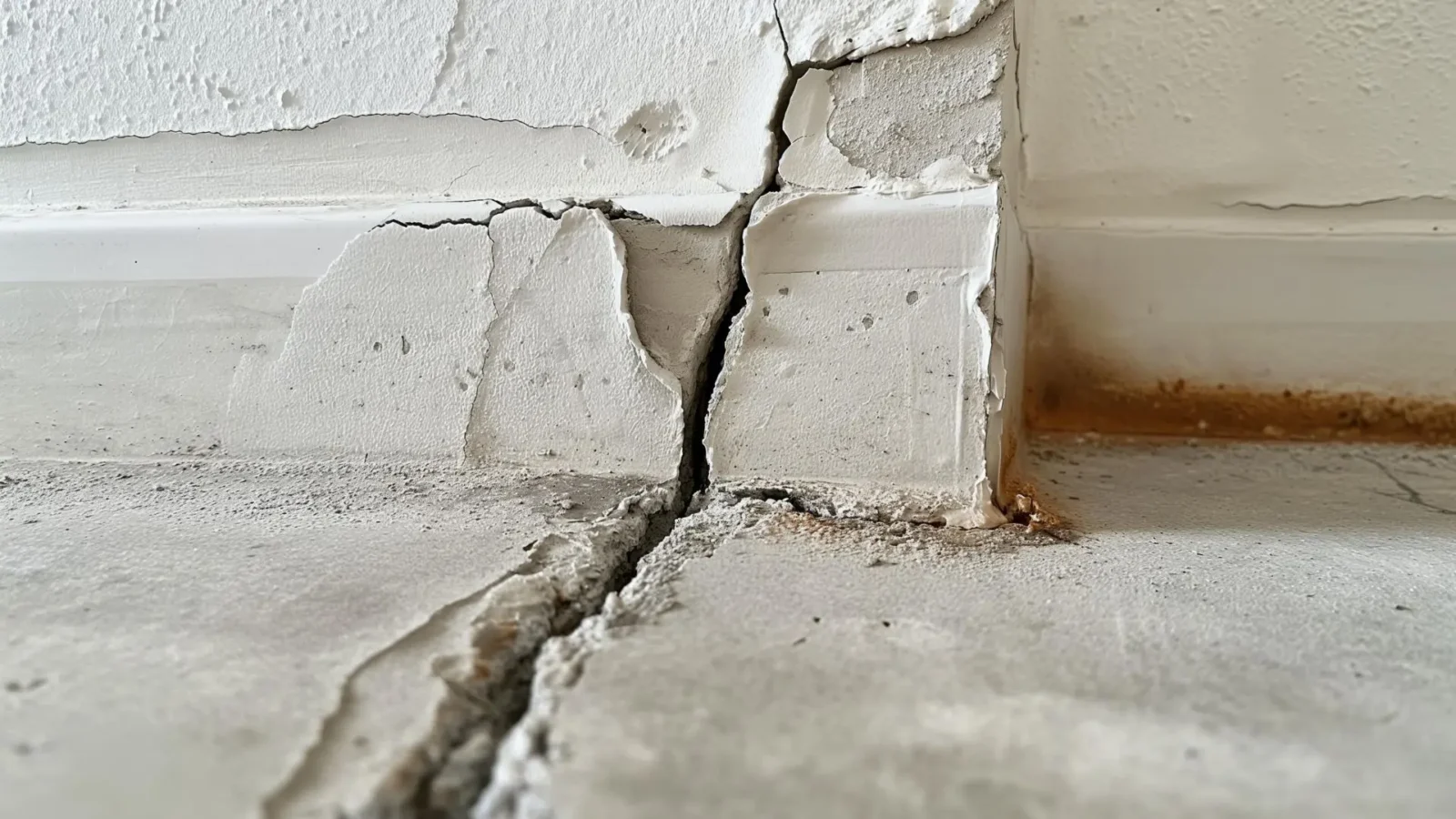
Cracked foundations are one of the most common yet misunderstood issues affecting residential and commercial buildings. While some cracks may appear minor on the surface, they often signal deeper structural concerns that can worsen over time if left unaddressed. A foundation is responsible for supporting the entire weight of a structure, distributing loads evenly, and maintaining alignment. When cracks develop, this balance is disrupted, potentially leading to long-term damage, safety risks, and financial loss.
Foundation cracks do not occur overnight. They are usually the result of gradual environmental pressures, material fatigue, or construction-related factors. Because these cracks often start small and grow slowly, property owners may underestimate their seriousness. However, even hairline fractures can allow moisture intrusion, weaken structural components, and compromise indoor conditions. Understanding the causes, types, and consequences of cracked foundations is essential for protecting a building’s integrity and longevity.
What Causes Foundations to Crack Over Time
Foundation cracking can occur for a variety of reasons, many of which are connected to natural forces acting on the soil and structure. One of the most common causes is soil movement. As soil expands and contracts due to moisture changes, it places stress on the foundation. Clay-heavy soils are particularly prone to swelling when wet and shrinking when dry, creating uneven pressure that can result in cracking.
Another major factor is settlement. After construction, a building gradually settles into the soil beneath it. If the soil is not evenly compacted or varies in composition, differential settlement can occur. This uneven movement places strain on certain areas of the foundation, leading to fractures.
Water plays a significant role as well. Poor drainage allows water to accumulate around the foundation, increasing hydrostatic pressure. Over time, this pressure forces moisture against foundation walls, exploiting weak points and causing cracks to form. Freeze-thaw cycles further worsen the problem, as water entering small cracks expands when frozen, widening them with each cycle.
Construction quality and material aging also contribute. Concrete naturally cures and shrinks over time, which can cause minor cracking. While some shrinkage cracks are normal, poor reinforcement or improper curing can lead to more severe structural issues as the building ages.
Different Types of Foundation Cracks and What They Indicate
Not all foundation cracks are the same, and their appearance can provide valuable insight into their underlying cause. Vertical cracks are among the most common and often result from settlement or concrete shrinkage. While they may not always indicate immediate danger, they can allow water infiltration and should be monitored closely.
Horizontal cracks are generally more serious. These cracks often suggest excessive pressure from soil or water pushing against the foundation wall. When left untreated, horizontal cracks can lead to bowing walls and structural instability.
Diagonal cracks usually form due to uneven settlement or shifting soil. Their severity depends on width, length, and whether they continue to grow over time. Stair-step cracks, commonly found in block or brick foundations, indicate movement and are often associated with settlement or moisture issues.
Hairline cracks may seem harmless, but they can serve as entry points for moisture. Over time, these small openings can widen and contribute to more significant damage. Understanding the type and pattern of cracks helps determine the appropriate response and level of urgency.
The Connection Between Cracked Foundations and Water Intrusion
One of the most immediate consequences of foundation cracks is water intrusion. Even small cracks provide pathways for moisture to enter the structure. Once water finds its way inside, it can damage interior finishes, insulation, and stored belongings.
Moisture entering through cracks also increases indoor humidity levels. This creates an environment conducive to mold and mildew growth, which can spread beyond the basement and affect overall indoor air quality. Over time, persistent dampness accelerates material deterioration and weakens structural components.
This is where preventative measures become critical. Addressing cracks alone may not be sufficient if moisture control is not part of the solution. Many property owners turn to basement waterproofing services to manage water intrusion effectively and protect the foundation from further damage. By controlling moisture at its source, these services help prevent cracks from worsening and reduce the risk of recurring problems.
Structural Risks Associated With Ignoring Foundation Cracks
Ignoring foundation cracks can have serious structural consequences. As cracks widen, they reduce the foundation’s ability to support the structure evenly. This imbalance can lead to shifting walls, uneven floors, and misaligned doors and windows throughout the building.
In severe cases, foundation movement can compromise load-bearing walls and support beams. This not only affects the building’s stability but also poses safety risks to occupants. Repairs become more complex and costly as damage spreads from the foundation to other structural elements.
Over time, untreated cracks can lead to partial foundation failure. While this outcome is less common, it underscores the importance of early detection and intervention. Addressing foundation issues promptly helps preserve structural integrity and prevents minor problems from escalating into major repairs.
Health and Indoor Environment Concerns
Cracked foundations affect more than just the structure; they also impact the indoor environment. Moisture entering through cracks contributes to damp conditions that promote mold growth. Mold spores can circulate through the air, leading to respiratory issues, allergies, and other health concerns.
Basements are particularly vulnerable because they are often poorly ventilated and naturally cooler. When moisture accumulates, it creates persistent dampness that is difficult to eliminate without addressing the underlying cause. This can make indoor spaces uncomfortable and unhealthy, especially for individuals with respiratory sensitivities.
By sealing cracks and managing moisture effectively, property owners can significantly improve indoor air quality. Combining structural repairs with basement waterproofing services provides a comprehensive approach that addresses both the cause and the effects of foundation cracking.
Financial Implications and Property Value Impact
Foundation problems are among the most concerning issues for property buyers and investors. Cracked foundations can significantly reduce property value, as they raise concerns about safety, longevity, and future repair costs. Even if cracks are repaired, a history of foundation issues may still affect buyer confidence.
From a financial standpoint, early repairs are far more cost-effective than extensive structural restoration. Small cracks can often be stabilized and sealed before they cause widespread damage. Delaying repairs allows moisture and movement to continue, increasing the scope and expense of future work.
Insurance coverage may also be limited when it comes to foundation damage, especially if it results from long-term neglect. Proactive maintenance helps reduce the risk of uncovered expenses and protects the overall investment in the property.
Preventative Maintenance and Long-Term Protection
Preventing foundation cracks from worsening requires a proactive approach to maintenance. Proper drainage around the structure is essential. Ensuring that water is directed away from the foundation reduces hydrostatic pressure and minimizes soil saturation.
Regular inspections help identify early signs of cracking or movement. Monitoring changes in crack size, shape, or frequency allows property owners to address issues before they become severe. Sealing minor cracks promptly prevents moisture intrusion and limits expansion.
Long-term protection often involves combining structural stabilization with moisture control strategies. Many property owners rely on basement waterproofing services as part of a comprehensive maintenance plan. These services help manage water around and beneath the structure, reducing the environmental pressures that contribute to foundation cracking.
The Role of Foundation Repairs in Building Longevity
A strong foundation is the cornerstone of a durable building. Addressing cracks not only resolves immediate concerns but also extends the life of the structure. Stabilized foundations support consistent load distribution, reduce stress on walls and floors, and maintain proper alignment.
Foundation repairs also protect investments made elsewhere in the building. Renovations, interior finishes, and mechanical systems are all vulnerable to damage when the foundation is compromised. By maintaining a stable base, property owners ensure that these elements remain protected over time.
When combined with effective moisture management, foundation repairs contribute to a more resilient structure capable of withstanding environmental changes and aging materials.
When Professional Assessment Becomes Essential
While some minor cracks may appear manageable, determining their true cause and severity often requires professional evaluation. Experts can assess whether cracks are cosmetic or structural and recommend appropriate solutions based on the building’s condition.
Professional assessments also help identify contributing factors such as soil conditions, drainage issues, or construction flaws. Addressing these root causes is essential for preventing recurrence. In many cases, a comprehensive plan that includes repairs and basement waterproofing services provides the most reliable long-term results.
Timely professional intervention not only ensures safety but also offers peace of mind. Knowing that the foundation has been properly evaluated and protected allows property owners to plan confidently for the future.
Conclusion
Cracked foundations are more than just surface imperfections; they are indicators of underlying forces acting on a building’s structure. Left unaddressed, these cracks can lead to water intrusion, structural instability, health concerns, and financial loss. Understanding their causes and consequences empowers property owners to take proactive steps toward protection and repair.
Early detection, proper maintenance, and comprehensive solutions play a vital role in preserving structural integrity. By addressing both the physical cracks and the environmental factors contributing to them, property owners can safeguard their buildings for the long term. With the right approach, cracked foundations can be stabilized, moisture can be controlled, and the structure can continue to provide safety, comfort, and value for years to come.
