In today’s fast-moving digital world, technology is becoming more complex than ever. From smartphones and laptops to industrial machines and automotive systems, everything now depends on advanced electronics and software. In this environment, use AI powered diagnostics has become one of the most important approaches for faster, more accurate, and smarter troubleshooting.
Traditional diagnostics methods often rely on manual testing, experience, and step-by-step checking. While these methods still work, they can be slow and sometimes miss hidden issues. AI-based diagnostics changes this completely by using machine learning, data analysis, and predictive algorithms to identify problems in seconds.
What Does AI Powered Diagnostics Mean?
AI powered diagnostics refers to the use of artificial intelligence systems to detect faults, analyze data, and suggest solutions automatically. Instead of manually testing every component, AI systems process large amounts of information and identify patterns that humans may overlook.
For example, in electronics repair, AI can analyze voltage behavior, thermal patterns, and circuit responses to detect faulty components quickly. In automotive systems, it can monitor engine data and predict failures before they actually happen.
This is why many industries now prefer to use AI powered diagnostics for efficiency and accuracy.
How AI Diagnostics Actually Works
AI diagnostics systems rely on three main technologies:
1. Machine Learning Models
These models are trained on large datasets of previous faults and repair cases. Over time, they learn how different failures behave and improve their accuracy.
2. Real-Time Data Analysis
Sensors collect live data from devices or systems. AI processes this data instantly to detect abnormal behavior.
3. Pattern Recognition
AI identifies hidden patterns in performance data that are often invisible during manual inspection. This helps detect early-stage issues before they become serious problems.
Why You Should Use AI Powered Diagnostics
There are several strong reasons why professionals and industries are shifting toward AI-based troubleshooting.
Faster Problem Detection
AI can analyze complex systems in seconds, reducing diagnostic time significantly.
Higher Accuracy
Human error is reduced because AI relies on data-driven analysis instead of guesswork.
Predictive Maintenance
Instead of waiting for a failure, AI can predict issues in advance and suggest preventive actions.
Cost Efficiency
Early detection of problems helps avoid expensive repairs and system downtime.
Applications of AI Diagnostics
The use of AI powered diagnostics is growing in many industries:
Electronics Repair
Technicians use AI tools to detect faulty ICs, PCB issues, and signal problems quickly.
Automotive Industry
Modern vehicles use AI systems to monitor engine health, battery performance, and sensor errors.
Healthcare Systems
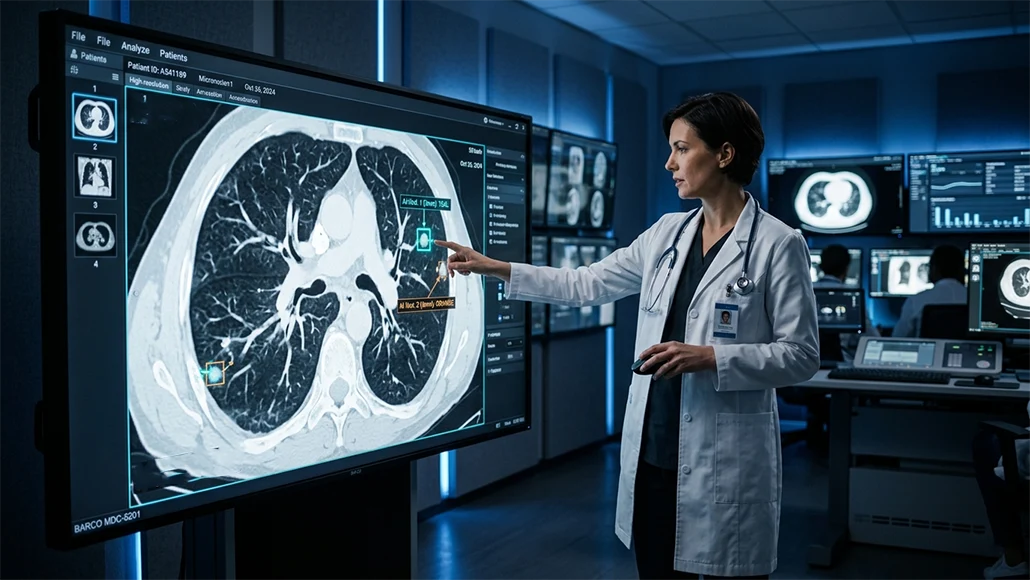
AI helps in analyzing medical scans and detecting diseases at an early stage.
Industrial Machines
Factories use AI diagnostics to monitor equipment health and avoid production breakdowns.
Challenges You Should Know
Although AI diagnostics is powerful, it also comes with some challenges:
- Requires high-quality data to work accurately
- Initial setup cost can be expensive
- Needs technical understanding for proper usage
- Not always perfect without human verification
This means AI should be used as a support tool, not a complete replacement for human expertise.
Future of AI in Diagnostics
The future of troubleshooting is clearly moving toward automation and intelligence. As technology improves, AI systems will become more accurate, faster, and more affordable.
Soon, technicians and engineers will fully rely on smart systems that can not only detect faults but also suggest exact repair steps. This will reduce manual workload and increase productivity across industries.
Final Thoughts
To stay ahead in modern technical fields, it is important to use AI powered diagnostics as part of your workflow. It improves speed, accuracy, and decision-making in ways traditional methods cannot match.
Whether you are working in electronics, automotive repair, or industrial maintenance, AI-based diagnostics is becoming an essential tool for smarter and more efficient problem-solving.