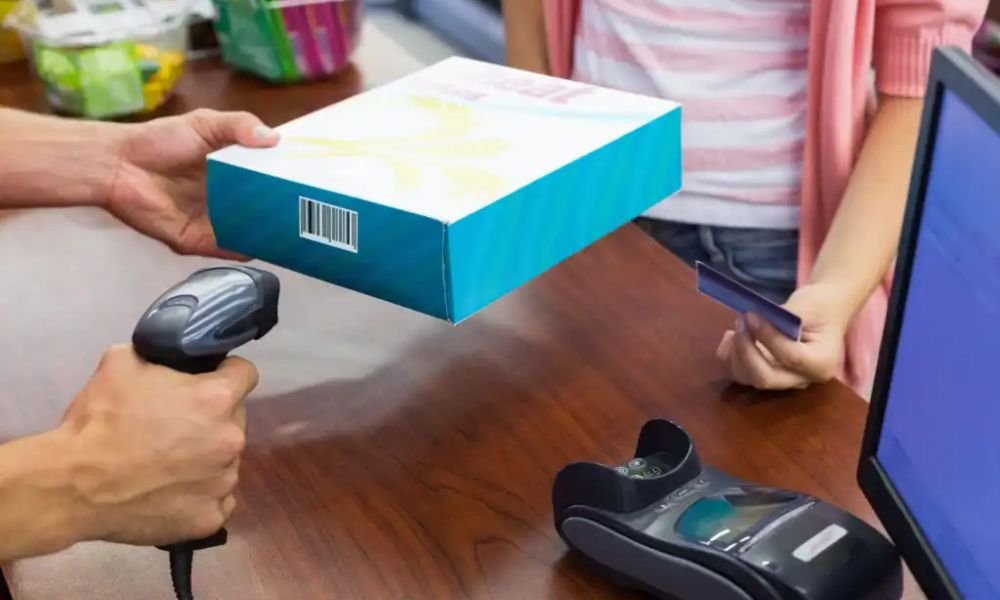
The GS1 barcode is no longer only a checkout tool. It now plays a bigger role in product data, traceability, and digital retail operations, especially as businesses explore tools that support GS1 barcode systems through Digital Link-ready QR code generation. That matters because product identification is no longer confined to shelf labels and tills. GS1 UK explains that Digital Link allows GS1 identifiers to connect people and systems to richer online information, which pushes the GS1 barcode into a much more useful digital role.
What A GS1 Barcode Actually Does
At a basic level, a GS1 barcode gives products a consistent identity across retail and supply chains. That consistency matters because businesses need product records to match across warehouses, online listings, scanners, and trading partners. Without a shared standard, product data becomes harder to manage and errors become easier to introduce. It also becomes more difficult to maintain accuracy when products move between physical stores, ecommerce platforms, distributors, and back-end inventory systems. GS1 UK’s explanation of Digital Link builds on that same principle: the identifier stays standardised, but its usefulness expands once it becomes web-addressable.
Why The GS1 Barcode Is Becoming More Important
Retail and ecommerce now depend on cleaner product information than before. Businesses need to support fulfilment, traceability, customer information, and multi-channel selling without creating confusion between systems. That is part of the reason the GS1 barcode matters more now than it once did. As product journeys become more complex, even small inconsistencies in identification can create wider operational problems, from listing errors to stock mismatches and weaker customer communication. The Office for National Statistics’ work on scanner data and consumer price statistics even refers to GS1 as the provider of industry-standard product identifiers used to ensure consistency across retailers and countries, reinforcing how deeply those standards are embedded in modern commerce.
How Digital Link Changes The Role Of The GS1 Barcode
This is where the story becomes more interesting. Through Digital Link, a GS1 barcode can do more than identify an item at the point of sale. GS1 UK says it can encode identifiers in a structured web format, allowing a single code to support product pages, instructions, traceability details, and other dynamic information. In practical terms, that means packaging can help connect the physical product to digital content without abandoning the underlying standard identifier. That makes the GS1 barcode more useful for brands, retailers, and supply chain teams seeking to make product information clearer and more flexible.
What Businesses Should Think About Next
For businesses, the real question is not whether the GS1 barcode still matters but how much more it can now do. Better identification, cleaner product data, and stronger links between physical goods and digital information all support smarter operations. That wider shift also fits with other business technology changes explored in coverage of smarter decision systems and operational efficiency. In that sense, the GS1 barcode is no longer just a label. It is becoming part of the digital infrastructure behind modern retail.