
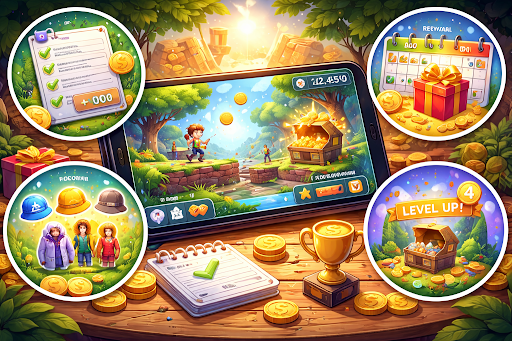
You built a no code AI game with working mechanics and decent visuals, but players try it once and never return. They complete a few actions, then lose interest and move on to something else. The main reason is often the lack of a proper reward system. Without clear motivation, even a well-made game feels empty and pointless after a short time. Players need reasons to keep playing. They want to see progress, feel a sense of achievement, and receive small rewards that make their effort feel worthwhile. In no code AI games, the generation system creates new content easily, but it rarely adds the motivational elements that keep people engaged. The result is a game that works technically but fails to hold attention.
Why Motivation Disappears in Many No Code Games
Motivation comes from the feeling that playing is worth the time and effort. When a game has no clear goals, no sense of progress, or no satisfying rewards, players quickly lose interest. They finish a level or session and feel nothing, no excitement, no pride, no desire to try again. In no code AI games, the automatic creation of levels and objects can make everything feel random and temporary. There is often no system to track improvement, celebrate successes, or give players something to look forward to. Without these elements, the game becomes a series of actions that lead nowhere meaningful. Players today expect games to make them feel good about their time spent. A strong reward system turns simple gameplay into an experience that feels purposeful and addictive in a healthy way. The fixes are straightforward and focus on making progress visible and successes rewarding.
Four Main Reasons Players Lose Motivation
These four issues are the most common causes of weak motivation in no code AI games.
- No Clear Goals or Purpose: Players do not understand what they are working toward or why they should continue.
- Lack of Visible Progress: There is no easy way to see improvement or how far they have come in the game.
- Few or Weak Rewards: Successes feel small, rare, or unsatisfying, so effort does not feel worthwhile.
- No Reason to Return: The game offers nothing new or motivating after the first few sessions, so players move on.
Setting Clear and Achievable Goals
Players need to know exactly what they are trying to do. Make the main goal obvious from the first moments. Use simple visuals such as a large target, a clear score counter, or a visible endpoint in each level. Break the overall game into small, reachable goals. For example, reach a certain score in the first level, collect a set number of items, or survive for a short time. Each small goal should feel possible within the first minute or two of play. In generated games, set rules so every new level has a clear starting goal and a visible finish condition. When players always know what success looks like, they stay focused and motivated to keep trying.
Four Simple Ways to Add Rewards
Build motivation with these four practical reward methods that are easy to implement.
- Create frequent small wins. Give players a small reward after almost every successful action, such as a quick visual flash, rising score, or short positive sound.
- Show visible progress. Use counters, level numbers, or filling bars that clearly display how close the player is to the next achievement.
- Celebrate bigger successes. Mark important milestones with stronger effects, such as brighter animations or special messages, so major wins feel exciting.
- Add light unlocks or variety. Let players earn simple new looks, slight power boosts, or new background themes after reaching certain points.
Making Progress Visible and Meaningful
Players stay motivated when they can see they are getting better or moving forward. Add a simple score system that increases with every good action. Show the current level or stage number clearly on screen. Create a progress bar or collection counter that fills as the player completes small tasks. In endless-style games, show distance travelled or time survived so players have a constant sense of advancement. In AI generated games, make sure progress tracking works consistently across all new content. When players can always see how far they have come, they feel a stronger sense of purpose and are more likely to keep playing.
Four Steps to Build Long-Term Motivation
Use these four steps to create reasons for players to return again and again.
- Add daily or session-based goals. Give players a fresh, easy target each time they open the game, such as reaching a certain score or collecting a set number of items.
- Include gentle streaks or chains. Reward players for playing multiple days or completing several levels in a row with small bonuses or special messages.
- Offer light customisation. Let players unlock simple changes to character appearance or background after reaching milestones so they feel ownership.
- Celebrate returning players. Show a friendly welcome message with their best score or recent progress when they open the game again.
Balancing Rewards So They Feel Fair
Rewards work best when they feel earned rather than given for free. Make sure small wins come from good play and bigger rewards require real effort. Avoid making early rewards too large or late rewards too small. Test different reward strengths with real players. Adjust values until most people feel motivated but not overwhelmed. In generated games, set rules that keep reward frequency and size consistent across all levels so the motivation stays steady, no matter what content appears. Fair rewards build trust and long-term interest. Players keep coming back because they believe their effort will be recognised and rewarded.
Testing Motivation with Real Players
The best way to check if your reward system works is to watch new players. Ask friends or volunteers to try the game and observe how long they play and whether they want to try again immediately. Listen to their comments about what felt good or made them lose interest. Ask specifically whether they understood the goals and whether successes felt rewarding. Use their feedback to adjust reward timing, visibility, and strength. Repeat testing after each change. A good reward system should make players smile during play and express interest in returning later.
Drawing Inspiration from a Real Game
A helpful example of a motivating reward system is Cannon Grid Rumble. You can play it here:. Notice how every successful shot brings clear feedback and visible score increases, while level completion and high scores give strong reasons to try again. The simple rewards and clear progress keep sessions enjoyable and encourage repeated play. Use the same balance of frequent small wins and meaningful milestones in your own game.
Keeping the Reward System Simple and Sustainable
Focus on clarity and consistency rather than adding many different reward types. A few well-designed rewards used reliably across the entire game usually work better than many complex systems. As your game grows with more generated content, make sure new levels and objects automatically follow the same reward rules. Regular short playtests help you catch any areas where motivation starts to drop. Simple reward systems are easier to maintain and provide the most reliable long-term engagement.
Wrapping Up the Motivation Fixes
Your no code AI game may lack motivation because it has no clear goals, little visible progress, weak rewards, or no reasons to return. By setting clear goals, adding frequent small wins and visible progress, celebrating bigger successes, and building long-term incentives with the four steps and four ways described, you create a strong motivational system that keeps players engaged. Whether you build your games with Astrocade or other easy tools, these practical changes focus directly on what players need to feel motivated and satisfied. Start today by adding a simple score counter and small visual rewards to your most common actions. Test with real players and adjust until the game feels rewarding from the first minute. Players will play longer, return more often, and enjoy their game much more when their effort leads to clear, satisfying results. A well-designed reward system turns a simple no code game into an experience that feels meaningful and fun. Take these steps now and give your players the motivation they need to keep coming back happily.
