
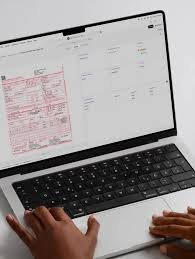
The insurance industry evolves rapidly. A claim that previously required weeks of paperwork, phone calls, and waiting, technology now resolves in hours. This acceleration is not just a convenience; it is a necessity. According to Accenture, 74% of consumers desire a claims process that is simple and easy. Furthermore, McKinsey reports that customer satisfaction with claims is a major indicator of retention, with satisfied claimants being 84% more likely to renew their policies.
The demand for efficiency is driving significant market growth. Projections show the global claims processing software market will exceed $10 billion by 2033, fueled by rising claim volumes and the need for faster resolution. Automated insurance claims processing allows companies to settle claims in hours instead of days, directly addressing customer expectations. This article explores the six best software solutions for automating insurance claims processing in 2026, helping you choose the right tool to reduce cycle times, save money, and improve customer satisfaction.
1. ABBYY
ABBYY is a leader in softwareforautomatinginsuranceclaimsprocessing ; It can handle the massive volume of data that flows through an insurance company. Most claims start with documents, emails, photos of home/car damage, medical bills, or handwritten forms. ABBYY uses advanced intelligent OCR technology to read these documents just like a human would, but much faster.
Their claims processing solution focuses on turning messy information into clear data that a computer can understand. Instead of a person sitting at a desk typing info from a PDF into a system, ABBYY does it automatically. This reduces human error and ensures that the claim moves to the next step immediately. With ABBYY, most insurers achieve a 98% straight-through processing rate, which means a claim can be filed and approved without a human ever needing to touch it.
2. Shift Technology
Shift Technology is built specifically for the insurance industry. Their main focus is on using artificial intelligence to spot two things: efficiency and fraud. In 2026, fraud detection is more important than ever. Shift’s software looks at every claim and compares it against millions of other data points to see if something looks suspicious.
By automating the decision part of a claim, Shift helps adjusters focus only on the most complex cases. For simple claims, the software can give a green light almost instantly. This keeps the workflow moving and ensures that honest customers aren’t kept waiting because of a slow manual review process.
3. Snapsheet
Snapsheet is well-known for making the virtual appraisal process easy. In the past, if you had a car accident, you had to wait for an adjuster to drive out and look at your car. With Snapsheet, the customer can simply take photos of the damage on their phone and upload them.
The software then uses automation to estimate the repair costs. It connects the insurance company, the customer, and the repair shop all in one place. By 2026, their platform has become even more user-friendly, allowing for automated payments to be sent as soon as the estimate is confirmed. It is a great choice for companies that want to focus on a mobile-first experience for their users.
4. Tractable
Tractable is an AI company that specializes in Computer Vision. This means their software is incredibly good at looking at photos and understanding what it sees. For insurance claims, this is a game-changer. If a policyholder uploads a photo of a broken windshield or a flooded floor, Tractable’s AI can look at the pixels and calculate the damage accurately.
This automated insurance claims processing software is used by some of the biggest insurers in the world. It acts like an expert eye that never gets tired. Because it works in seconds, it allows insurance companies to give customers an immediate offer for a settlement, which significantly boosts customer satisfaction scores.
5. UiPath
UiPath is one of the most successful firms in the Robotic Process Automation (RPA) market. Unlike some other software solutions that focus only on imaging or data, UiPath uses “robots” or software applications to automate repetitive tasks that consume insurance office workers’ time. Robots are capable of logging onto various platforms, transferring files, sending out update notifications to the customer, and verifying whether the policy is valid.
By 2026, UiPath will develop toward agentic AI, where the software application will not only perform basic instructions but also make some autonomous decisions to deal with unexpected situations. The technology is ideal for the back-office processes of claim management because it brings together all legacy applications that most insurance firms utilize.
6. Sapiens
Sapiens provides a complete platform for insurance companies. Their software, called ClaimsPro, is designed to handle the entire life of a claim from start to finish. It is a very flexible tool, which means a company can set its own rules for how claims should be handled.
Sapiens is great for large companies that handle many different types of insurance, like auto, home, and life insurance. It automates the triage phase, which is figuring out how urgent a claim is and who should handle it. By getting the right claim to the right person (or the right bot) immediately, Sapiens helps companies reduce the cycle time of a claim, which is the total time from filing to payment.
Conclusion
Choosing the right software for automating insurance claims processing depends on what a company needs most. Some might need ABBYY to help manage thousands of documents, while others might need Tractable to look at photos of car accidents.
The goal for every insurance company in 2026 is the same: make the process faster, cheaper, and easier for the customer. By using automated insurance claims processing, companies can stop worrying about paperwork and start focusing on helping people get back on their feet.