Introduction
A swimming pool is one of the most valuable features of a residential property, providing a place for relaxation, recreation, exercise, and entertainment. Over time, however, constant exposure to water, chemicals, sunlight, changing temperatures, and daily use gradually wears down the pool’s interior surface. What was once a smooth, attractive finish can become rough, stained, cracked, or discolored, diminishing both the appearance and functionality of the pool. While routine maintenance helps preserve water quality and equipment performance, it cannot prevent the natural aging of the plaster surface. Professional pool replastering is the solution that restores both the beauty and structural integrity of a swimming pool, allowing homeowners to enjoy a safe, comfortable, and visually appealing backyard retreat for many years.
Understanding Pool Replastering
Pool replastering is the process of removing or preparing the worn interior finish of a swimming pool and applying a new plaster surface that creates a smooth, waterproof barrier. The plaster serves as the final protective layer between the pool shell and the water, making it one of the most important components of the entire structure.
Over time, normal wear causes plaster to deteriorate due to continuous exposure to pool chemicals, mineral deposits, water movement, ultraviolet radiation, and temperature changes. As the surface ages, it begins to lose its smooth texture, eventually developing stains, rough areas, small cracks, and discoloration that affect both appearance and comfort.
Professional replastering restores the pool’s interior while extending its lifespan and protecting the underlying structure from moisture-related damage.
Why Pool Plaster Wears Out
Every swimming pool experiences gradual deterioration as part of its normal lifecycle. Water chemistry, weather conditions, maintenance practices, and frequency of use all influence how quickly the plaster surface ages.
Improper chemical balance can slowly dissolve the plaster surface, while calcium buildup may create rough deposits that affect both appearance and comfort. Continuous sunlight exposure contributes to fading, and seasonal expansion and contraction may lead to small surface cracks over time.
Although these changes develop gradually, they eventually become noticeable enough to require professional restoration.
Restoring Visual Appeal
One of the most immediate benefits of pool replastering is the dramatic improvement in appearance. A worn pool surface often appears dull, stained, faded, or uneven, reducing the overall beauty of the backyard.
A newly replastered pool instantly transforms the space with a clean, vibrant finish that enhances water clarity and creates a fresh, inviting appearance. Whether homeowners choose traditional white plaster or modern aggregate finishes with customized colors and textures, replastering significantly upgrades the visual appeal of the entire outdoor environment.
An attractive pool also complements surrounding landscaping, patios, outdoor kitchens, and entertainment areas, creating a cohesive backyard design.
Improving Swimmer Comfort
As plaster ages, it gradually becomes rougher, making swimming less comfortable. Rough surfaces can scrape feet, hands, knees, and elbows while creating an unpleasant texture throughout the pool.
Professional replastering restores the smooth finish originally intended for the swimming surface. This improvement makes swimming more enjoyable while reducing the likelihood of minor abrasions caused by deteriorated plaster.
Families with children especially appreciate the comfort and safety provided by a properly restored pool surface.
Protecting the Pool Structure
The plaster layer performs more than a decorative function. It serves as a protective barrier that shields the concrete shell from continuous water exposure.
As plaster deteriorates, water may gradually penetrate deeper into the pool structure, increasing the risk of long-term damage that becomes significantly more expensive to repair. Replastering restores this protective barrier before structural issues develop, helping preserve the overall integrity of the swimming pool.
Preventative maintenance through timely replastering often saves homeowners considerable repair expenses in the future.
Eliminating Stains and Discoloration
Pool stains develop from several sources, including minerals, algae, leaves, metals, chemical imbalance, and years of continuous use. While some stains respond to specialized cleaning treatments, others become permanently embedded within aging plaster.
Professional replastering completely renews the pool’s appearance by replacing the worn surface with fresh material. The new finish provides a clean foundation that restores the pool’s bright, attractive appearance while improving water reflection and clarity.
The transformation often makes an older pool look nearly new again.
Enhancing Water Quality
The condition of the plaster surface can directly influence water quality. Rough, deteriorated plaster provides small openings where algae, bacteria, and mineral deposits can accumulate despite regular cleaning.
A newly replastered surface is smooth and easier to maintain, allowing pool cleaning equipment to remove debris more effectively. Fewer hiding places for contaminants help simplify routine maintenance while supporting cleaner, healthier pool water.
Improved water circulation and easier cleaning contribute to a more enjoyable swimming experience throughout the season.
Increasing Property Value
Swimming pools often serve as attractive selling features for residential properties, but only when they are well maintained. An aging pool with cracked or stained plaster may discourage potential buyers who anticipate future repair expenses.
Professional pool replastering improves the overall presentation of the backyard while demonstrating responsible property maintenance. A beautifully restored swimming pool enhances curb appeal, increases buyer confidence, and may contribute positively to overall property value.
For homeowners planning future resale, replastering represents a valuable investment in the appearance and condition of the property.
Improving Pool Efficiency
A smooth and professionally replastered surface does more than improve appearance. It also contributes to the overall efficiency of the swimming pool. Rough or deteriorating plaster increases surface friction, making it easier for dirt, algae, and debris to cling to the pool walls and floor. This often requires more frequent brushing and additional chemical treatments to maintain clean water.
A newly replastered surface allows water to circulate more effectively while making routine cleaning easier. Pool vacuums and filtration systems perform more efficiently because debris is less likely to become trapped on the smooth finish. As a result, homeowners often spend less time maintaining the pool and enjoy cleaner water with fewer maintenance challenges.
Extending the Life of Pool Equipment
The condition of the pool’s interior surface can also affect the performance of pumps, filters, and circulation systems. Excessive plaster deterioration creates fine particles that continuously circulate through the filtration system, increasing wear on equipment over time.
Professional replastering reduces the amount of loose material entering the circulation system, allowing filters and pumps to operate more efficiently. Reduced strain on pool equipment may help extend the lifespan of mechanical components while lowering long-term maintenance costs.
Maintaining both the pool surface and its equipment ensures that the entire system continues operating at peak performance.
Modern Pool Finish Options
Today’s homeowners have access to a wide variety of pool finishing materials that offer both aesthetic and functional advantages. Traditional white plaster remains a popular choice because of its classic appearance and affordability. However, many homeowners now select premium aggregate finishes that incorporate quartz, pebble, or polished stone to create unique colors and textures.
Aggregate finishes often provide increased durability, improved stain resistance, and enhanced visual appeal while producing beautiful water colors that range from light blue to deep tropical shades. These advanced materials allow homeowners to customize the appearance of their swimming pool according to their personal preferences and outdoor design.
Choosing the right finish depends on budget, desired appearance, maintenance expectations, and long-term performance goals.
Signs Your Pool Needs Replastering
Recognizing the early signs of plaster deterioration allows homeowners to schedule repairs before more serious structural problems develop. Common indicators include rough or abrasive surfaces, visible staining that cannot be removed through cleaning, cracks, discoloration, flaking plaster, exposed aggregate, or areas where the plaster has begun separating from the pool shell.
Some homeowners also notice increased chemical usage or recurring algae growth because deteriorated plaster creates small pores where contaminants can accumulate. Addressing these issues early helps preserve the overall condition of the pool while avoiding more extensive restoration work later.
Regular inspections by experienced pool professionals help identify these warning signs before significant damage occurs.
The Professional Replastering Process
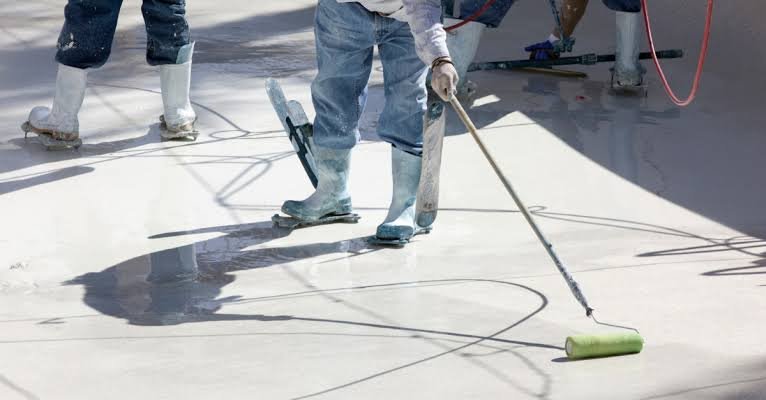
Professional pool replastering follows a detailed process designed to ensure long-lasting results. Contractors begin by draining the pool and carefully inspecting the existing surface for structural damage or underlying issues that require attention.
The old plaster is then prepared by removing loose material, repairing cracks, and creating a suitable bonding surface for the new finish. Once the preparation is complete, the new plaster or aggregate finish is applied evenly across the pool interior using specialized techniques that produce a smooth, consistent surface.
After application, the pool undergoes a controlled curing process before being refilled with water. Proper startup procedures, including careful monitoring of water chemistry, help protect the new surface while maximizing its lifespan.
Maintaining a Newly Replastered Pool
Proper maintenance plays a critical role in preserving the appearance and durability of a newly replastered swimming pool. During the first several weeks, maintaining balanced water chemistry is especially important because fresh plaster continues curing beneath the water surface.
Homeowners should brush the pool regularly to remove plaster dust, monitor pH and calcium levels, and follow all recommendations provided by their pool professional. Once the curing period is complete, ongoing maintenance becomes much simpler.
Routine cleaning, balanced chemicals, regular filtration, and periodic professional inspections help extend the life of the new plaster while preserving its smooth appearance for many years.
Why Professional Installation Matters
Although some home improvement projects can be completed independently, pool replastering requires specialized knowledge, equipment, and experience. Proper surface preparation, material mixing, application techniques, and curing procedures all influence the finished result.
Experienced professionals understand how different plaster materials perform under varying environmental conditions while ensuring proper adhesion and consistent thickness throughout the pool. Their expertise minimizes the risk of premature cracking, discoloration, uneven finishes, or bonding failures that could shorten the lifespan of the new surface.
Choosing qualified pool professionals provides homeowners with confidence that the restoration will deliver both beauty and long-term durability.
Long-Term Value of Pool Replastering
Pool replastering should be viewed as an investment rather than simply a repair. A professionally restored pool improves daily enjoyment while protecting one of the property’s most valuable outdoor features. The combination of improved appearance, enhanced swimmer comfort, easier maintenance, better water quality, and structural protection provides benefits that continue for many years.
Homeowners who invest in timely replastering often avoid more expensive structural repairs while preserving the value of their swimming pool and surrounding outdoor living space. A well-maintained pool also contributes to greater property appeal, making it an attractive feature for future buyers.
Conclusion
Professional pool replastering is one of the most effective ways to restore both the beauty and performance of a swimming pool. As plaster naturally wears over time, the pool may develop rough surfaces, stains, discoloration, cracks, and maintenance challenges that reduce its appearance and functionality. Replastering renews the interior finish, protects the pool structure, improves swimmer comfort, enhances water quality, and extends the lifespan of the entire pool system.
Whether choosing traditional plaster or a modern aggregate finish, homeowners benefit from a refreshed swimming environment that looks beautiful and performs reliably for years to come. By working with experienced professionals and maintaining proper water chemistry after installation, a replastered pool becomes a lasting investment that enhances outdoor living, increases property value, and provides countless hours of enjoyment for family and friends.