
For many young people, the path into addiction or mental health distress is gradual. Structure fades, routines fall away, and support networks thin out over time. By the time help is sought, the challenges are rarely limited to substance use alone. Emotional wellbeing, housing stability, education, and confidence have often been affected as well.
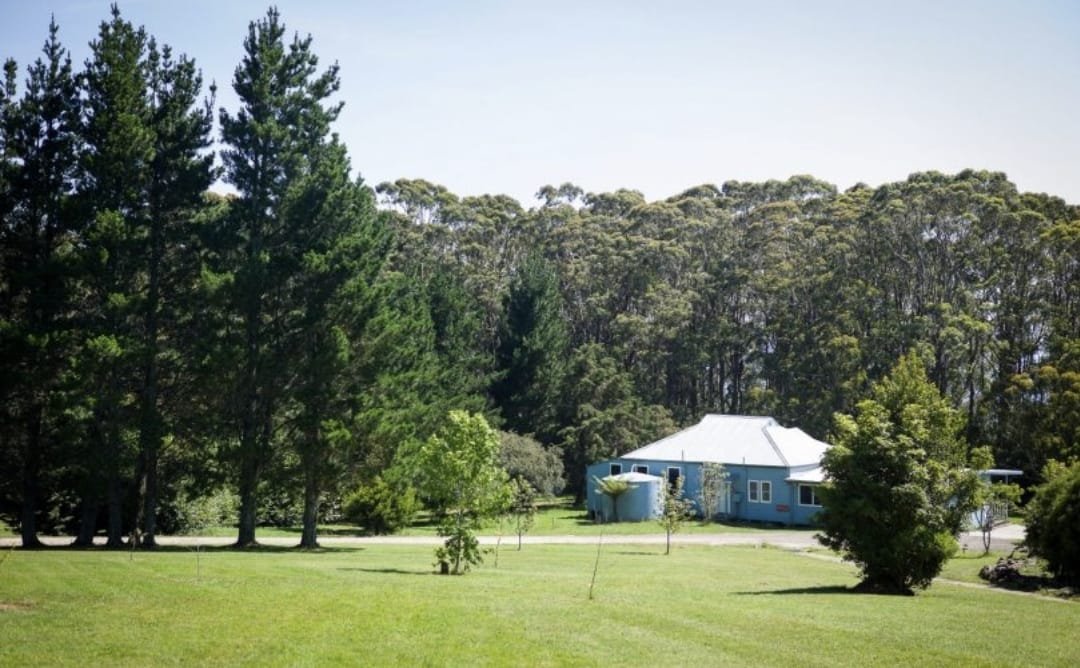
Triple Care Farm is a residential rehabilitation program designed to respond to this complexity. Located in the NSW Southern Highlands, the program supports young people aged 16 to 24 whose lives have become disrupted by a combination of addiction, mental health challenges, and prolonged disengagement from everyday routines. The program is owned and operated by Mission Australia and funded by Sir David Martin Foundation, with a focus on recovery that continues well beyond the residential phase.
Why young people need more than short-term intervention
National data highlights how common mental health challenges are during adolescence and early adulthood. According to the Australian Bureau of Statistics National Study of Mental Health and Wellbeing, nearly 39 per cent of people aged 16 to 24 experienced a mental disorder in a 12-month period. Anxiety was the most commonly reported condition, often existing alongside other pressures such as unstable housing, disrupted education, or substance use.
For young people facing multiple challenges at once, short-term treatment can struggle to hold once everyday pressures return. Programs that focus only on stopping substance use may not address the underlying factors that led to disconnection in the first place. Sustainable recovery often requires time, routine, and consistent support across different areas of life.
How the Triple Care Farm program is structured
The Triple Care Farm program is delivered in three stages, allowing participants to progress gradually rather than being rushed through recovery.
The first stage is withdrawal care, which typically runs for two to four weeks. During this period, participants complete medically supervised detox in a safe and stable environment. The emphasis is on physical and emotional stabilisation, ensuring individuals are ready to engage with the next phase of the program.
The second stage is residential rehabilitation, lasting twelve weeks. While counselling plays an important role, daily life at the farm is equally structured around shared responsibility and practical activity. Participants follow a consistent routine that includes training, work-based learning, and community living. This structure helps reintroduce predictability and accountability without overwhelming pressure.
The final stage is aftercare, which continues for six months after residential treatment ends. This phase recognises that transition periods are often the most vulnerable. A dedicated worker remains in regular contact, supporting young people as they navigate housing, employment, study, and daily decision-making. Support gradually tapers as independence becomes more secure.
Why practical learning supports recovery
Confidence is not rebuilt through conversation alone. For many participants, long periods of disengagement have eroded self-belief and reliability. Practical learning provides opportunities to experience progress in tangible ways.
Vocational training at Triple Care Farm includes areas such as hospitality, trades, and creative work. Completing tasks, learning new skills, and contributing to shared outcomes helps participants rebuild trust in their own abilities. These experiences also create pathways into employment or further training after the program ends.
At the same time, everyday living skills are reinforced. Planning meals, managing time, and sharing responsibility are part of daily life on the farm. As these foundations strengthen, engagement with therapeutic support often becomes more consistent and meaningful.
Mental health support as part of everyday care
Many young people arrive at Triple Care Farm with anxiety, low mood, or emotional distress that existed before substance use became a coping mechanism. In these cases, drug or alcohol use is often a response rather than the starting point.
Mental health support within the program focuses on early recognition of change. Individual counselling sessions explore triggers, stress patterns, and emotional responses. Group sessions provide shared understanding without pressure to speak, allowing participants to listen and reflect at their own pace. Physical activity and time outdoors also play a role in supporting emotional regulation during challenging periods.
This integrated approach helps participants develop strategies they can use beyond the residential environment, rather than relying solely on external support.
What progress looks like during the program
Change at Triple Care Farm is rarely immediate or linear. Early signs of progress tend to be practical rather than dramatic. Attendance improves, routines begin to hold, and communication with family or carers resumes. These shifts suggest that stability is starting to take root.
As the program continues, participants often show greater consistency in decision-making and increased confidence in managing everyday responsibilities. These changes form the groundwork for longer-term recovery rather than short-lived improvement.
Outcomes that extend beyond residential care
The outcomes reported by the program reflect stability across multiple areas of life. Participants experience a significant reduction in chronic drug use and a substantial decrease in suicide attempts. Following completion, the majority secure stable housing, and many move into education or employment.
These outcomes highlight the importance of continued support beyond residential treatment. Recovery is not defined by a single moment of change, but by the ability to sustain stability as independence increases.
A pathway that supports independence
Triple Care Farm provides a structured environment for young people who need time to rebuild their lives without pressure to change too quickly. By combining residential care with extended aftercare, the program supports recovery as an ongoing process rather than a fixed endpoint.
For families considering residential rehabilitation, Triple Care Farm offers a pathway that prioritises stability, practical skill development, and continued guidance as young people move towards independence.