
Understanding HVAC Systems and Their Importance
Selecting the right HVAC system is one of the most important decisions a homeowner can make. HVAC—heating, ventilation, and air conditioning—controls your home’s climate, ensuring comfort, consistent temperatures, and proper air quality year-round. With new technologies and efficiency standards emerging in 2026, choosing the ideal system requires careful consideration of your home’s size, climate, and energy goals.
An efficient HVAC system reduces energy consumption, lowers utility bills, and provides a healthier indoor environment by properly filtering and circulating air. The wrong system, on the other hand, can result in uneven heating or cooling, high energy costs, and frequent maintenance issues. Professional guidance is essential to ensure that your investment maximizes comfort and long-term savings.
Key Factors to Consider When Choosing an HVAC System
Home Size and Layout
The size of your home and its layout are critical in selecting an HVAC system. Systems are rated by capacity, typically in British Thermal Units (BTUs), which must match the heating and cooling requirements of your home. A system that is too small will struggle to maintain comfort, while an oversized system may cycle on and off frequently, reducing efficiency and lifespan.
Consider the number of floors, ceiling height, insulation quality, and window placement. These elements affect airflow and heat retention. A professional evaluation, such as a load calculation performed by certified technicians, ensures the system meets your home’s unique needs.
Energy Efficiency
Energy efficiency has a direct impact on long-term operating costs. High-efficiency HVAC systems consume less electricity or gas, reducing monthly utility bills. Look for units with high SEER (Seasonal Energy Efficiency Ratio) ratings for cooling and high AFUE (Annual Fuel Utilization Efficiency) ratings for heating. In 2026, advanced technologies like variable-speed compressors and smart thermostats are increasingly common, allowing homeowners to optimize energy use without sacrificing comfort.
Climate Considerations
Your local climate plays a significant role in HVAC selection. Homes in colder regions require reliable heating systems, while those in warmer climates benefit from advanced air conditioning technologies. In areas with seasonal temperature swings, consider dual-fuel systems or heat pumps that provide both heating and cooling efficiently. Understanding your climate ensures your HVAC system delivers consistent performance year-round.
Indoor Air Quality Needs
Modern homeowners are increasingly concerned with indoor air quality (IAQ). HVAC systems that incorporate high-quality filters, UV lights, and ventilation options can reduce dust, pollen, allergens, and other pollutants. Choosing a system with built-in air purification features helps maintain a healthier home, particularly for families with children, elderly individuals, or allergy sufferers.
Budget and Long-Term Costs
While upfront costs are important, long-term operating expenses often matter more. High-efficiency systems may cost more initially but save money over time through lower energy bills and reduced maintenance. Consider not only the equipment price but also installation costs, potential repair expenses, and expected lifespan. A cost-benefit analysis helps determine the system that offers the best value for your specific needs.
Types of HVAC Systems for Homes in 2026
Central Air Systems
Central air systems are common in many homes. They consist of a central unit that cools or heats air, distributing it through ductwork to each room. Central systems are effective for large homes, provide even temperatures, and integrate with advanced thermostats and air quality systems.
Ductless Mini-Split Systems
Ductless mini-splits are ideal for homes without existing ductwork or for room-specific climate control. These systems include an outdoor compressor and one or more indoor air handlers. They are energy-efficient, easy to install, and allow homeowners to control temperatures in individual spaces, which can further reduce energy consumption.
Heat Pumps
Heat pumps are versatile systems that provide both heating and cooling by transferring heat rather than generating it. Modern heat pumps are highly efficient, perform well in a range of climates, and are particularly appealing for environmentally conscious homeowners looking to reduce energy consumption and carbon footprint.
Hybrid Systems
Hybrid HVAC systems combine a heat pump with a gas furnace to optimize efficiency across seasons. The system uses electricity when temperatures are mild and switches to gas when heating demand is high, providing cost savings and reliable performance.
Professional Installation Matters
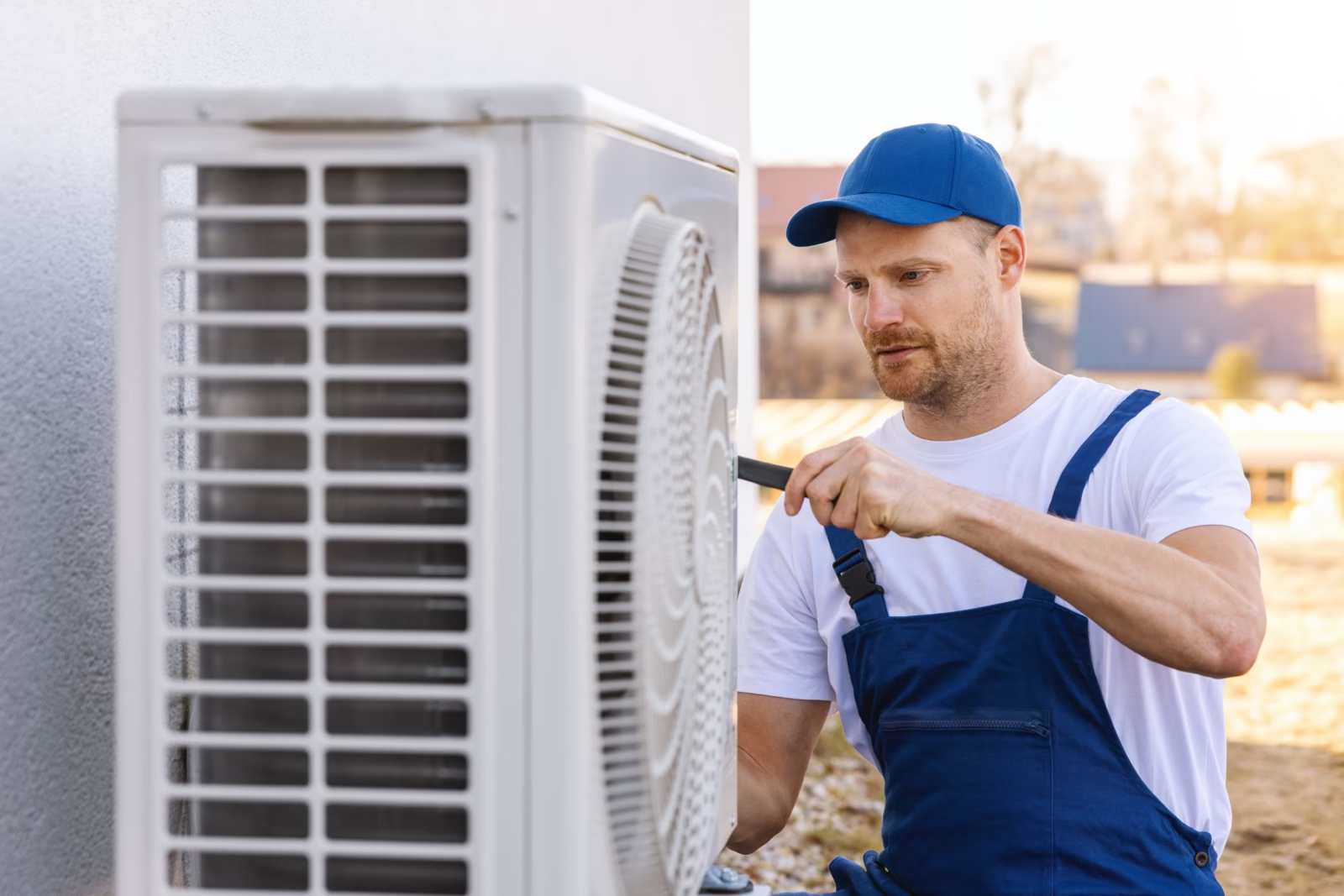
Proper installation is critical for any HVAC system. Incorrect installation can lead to inefficiency, higher energy costs, and frequent repairs. Certified professionals ensure your system is sized correctly, ductwork is sealed, airflow is optimized, and refrigerant levels are accurate.
For reliable installation, homeowners trust Penguin Air, Plumbing & Electrical. Their certified technicians provide expert guidance on selecting the right system, professional installation, and ongoing maintenance services to ensure optimal performance and long-term savings.
Signs You May Need a New HVAC System
Even with proper maintenance, HVAC systems have a finite lifespan, typically 10–20 years. Common signs that you may need a replacement include rising energy bills, uneven temperatures, frequent repairs, strange noises, and outdated equipment that no longer meets efficiency standards. Evaluating these factors early allows homeowners to select the best modern system before comfort or energy efficiency is compromised.
Frequently Asked Questions About Choosing an HVAC System
What size HVAC system do I need for my home? A certified technician performs a load calculation considering square footage, ceiling height, insulation, and window placement to determine the correct system size.
Are high-efficiency systems worth the investment? Yes. While the upfront cost is higher, energy savings, reduced maintenance, and environmental benefits often outweigh initial expenses over the life of the system.
Can I install a system myself? DIY installation is not recommended. Incorrect installation can reduce efficiency, shorten system lifespan, and void warranties. Professional installation ensures optimal performance and safety.
How do I improve indoor air quality with my HVAC system? Look for systems with advanced filtration, UV lights, and proper ventilation. Routine maintenance and filter replacement are also critical.
How often should my HVAC system be serviced? Annual professional maintenance is recommended to ensure efficient operation, prevent breakdowns, and maintain warranty coverage.
Making the Right Choice in 2026
Choosing the right HVAC system in 2026 requires a careful balance of home size, energy efficiency, climate considerations, indoor air quality needs, and budget. Investing in a system that meets modern efficiency standards and is installed professionally ensures long-term comfort, lower utility bills, and reliable performance.
By selecting expert guidance from Penguin Air, Plumbing & Electrical, homeowners receive personalized recommendations, professional installation, and ongoing maintenance support. This approach not only enhances comfort but also protects your home and your investment for years to come.
Business Name: Penguin Air, Plumbing & Electrical
Address: 3710 E University Dr # 1, Phoenix, AZ 85034
Phone Number: (480) 525-5400
