
Rising repair costs are squeezing BMW owners across Britain. Here’s how to source quality parts without paying main dealer prices — and the mistakes you must avoid.
If you own a BMW, whether it’s a compact 1 Series or a full-fat M5, you already know the sting that comes with every service booking. BMW vehicles are engineered to exceptionally tight tolerances, and the BMW parts that keep them performing often carry a price tag to match. But there are several specific reasons why costs climb so high, and understanding them is the first step to beating them.
Main dealerships apply a significant margin to every component they sell. They purchase authentic BMW parts from the official supply chain, then charge retail prices that include their overheads, staffing costs, and profit margins. For routine items like brake pads, filters, or suspension bushes, you could easily pay two to three times more than necessary simply by walking through the wrong door.
Beyond the dealer network, the complexity of modern BMW vehicles, packed with advanced driver assistance systems, turbocharged engines, and intricate electronics, means that sourcing the correct specification is critical. The wrong part can cause performance issues, fail an MOT, or even void your remaining warranty. This complexity gives dealers leverage, but it also means savvy shoppers need to be better informed.
“You don’t have to choose between quality and cost. The UK market offers genuine alternatives to main dealer pricing, if you know where to look.”
Genuine vs Aftermarket: What’s the Difference?
Before shopping around, it helps to understand the landscape of car parts for a BMW. The market broadly splits into three categories:
Genuine BMW Parts (OEM): These carry the blue-and-white roundel and are supplied directly through BMW’s official network. They are manufactured to exact factory specifications, often by the same suppliers who made the components originally. When purchasing from a reputable BMW specialist or registered dealer, you are typically receiving these parts.
OES (Original Equipment Supplier) Parts: Many of the components in your BMW were not made by BMW themselves; they were made by third-party manufacturers like Bosch, ZF, Continental, or Lemförder. When those same manufacturers sell the identical part under their own brand, it is referred to as OES. These are functionally the same as genuine BMW parts but are often sold at meaningfully lower prices.
Aftermarket Parts: These are produced by independent manufacturers not directly connected to BMW’s supply chain. Quality varies enormously, from excellent reproduction parts that rival the original to dangerously substandard alternatives that fail prematurely. Knowing which brands to trust is essential.
Pro Tip: Always verify a part number before purchasing. BMW part numbers are precise, even a small variation can indicate an incompatible specification for your specific model year and engine variant.
Top Places to Buy BMW Parts Cheaper in the UK (2026)
1. Breakers’ Yards and Salvage Specialists
The role of breakers’ yards has changed significantly over the past decade. What was once associated mainly with older vehicles is now a structured part of the UK automotive supply chain. According to industry data from vehicle recycling bodies, over 95% of a car can now be recovered and reused, with a growing share of parts coming from relatively modern vehicles written off by insurers rather than worn out by age. This means many components available today come from low-mileage BMWs involved in accident damage, not end-of-life cars.
For BMW owners, this creates a very practical solution. Instead of paying dealership prices for brand-new parts, you can source authentic BMW parts with substantial service life remaining, often at 50–70% lower cost. The key difference today is professionalism; reputable car breakers now catalogue parts digitally, track mileage, and provide compatibility data, making the process far more reliable than it used to be.
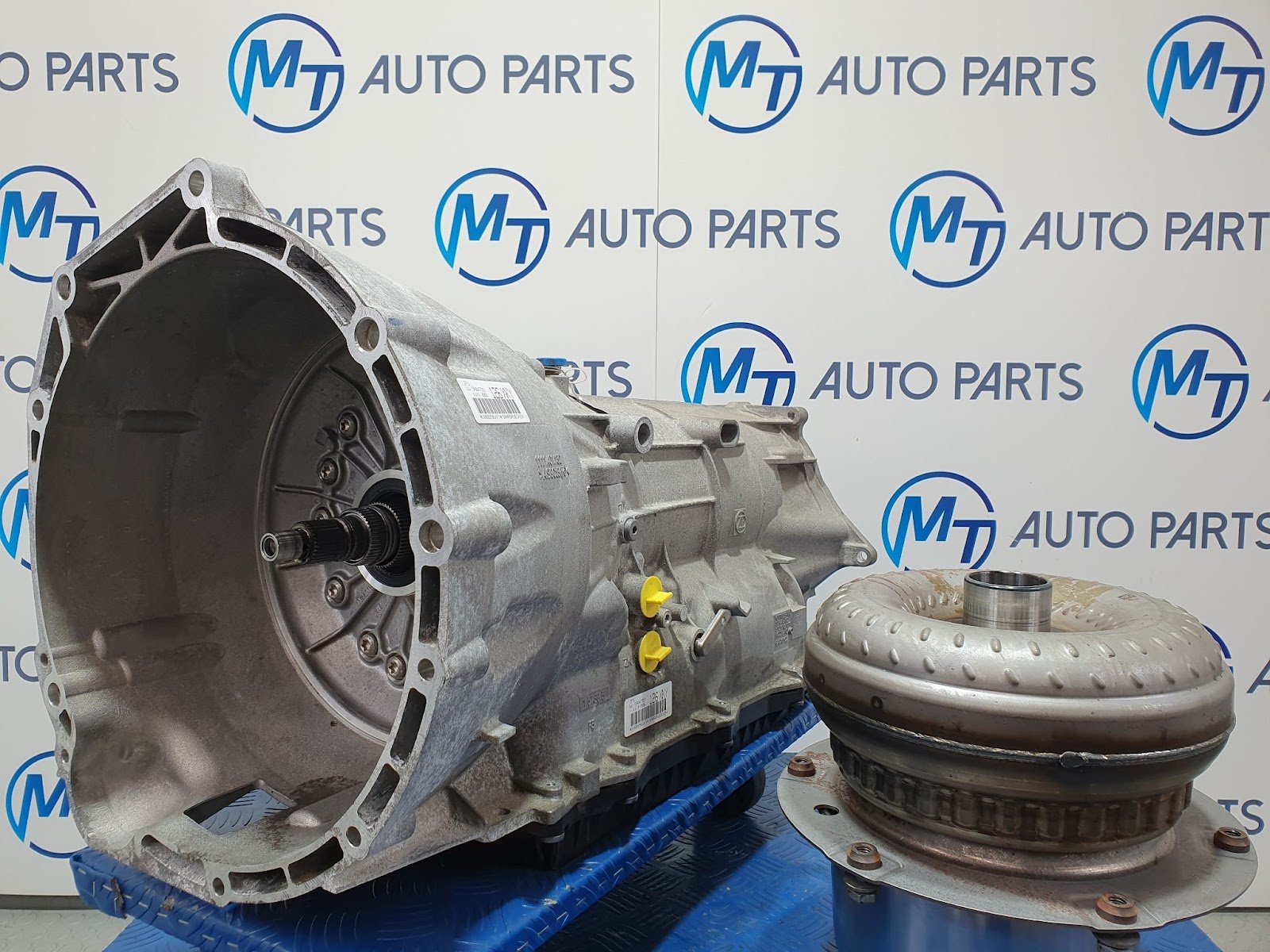
A strong example of this shift is MT Auto Parts, a UK-based used BMW parts supplier focusing on dismantling newer models (primarily 2012+ F, G, and U generations). Rather than operating as a traditional scrapyard, they supply clearly listed, genuine BMW parts with condition details, fitment support, and testing carried out where required. This approach reflects how modern salvage has evolved, from informal sourcing to a trusted, transparent channel for genuine BMW parts.
For both newer and older BMWs, salvage specialists now represent one of the most cost-effective and sustainable ways to source parts, provided you verify mileage, condition, and supplier credibility before buying.
2. Specialist Online BMW Parts Retailers
Dedicated online platforms that specialise exclusively in BMW parts have transformed the market. They purchase stock in bulk directly from OEM suppliers and OES manufacturers, passing savings on to customers. Look for retailers that provide full VIN matching. This ensures you’re ordering the exact specification for your car, not a generic approximation.
3. Independent BMW Specialists and Garages
Independent garages that focus specifically on BMW and MINI vehicles often source their parts through the same channels as main dealers but pass on substantially lower labour and parts costs to customers. Many will allow you to supply your own parts, which opens up even greater savings when you shop smart first.
4. Official BMW Parts Counters (Trade Pricing)
Not widely advertised, but BMW dealers often have a trade counter where parts can be purchased directly by the public. If you are comfortable fitting components yourself, buying over the counter can save on fitting charges while still getting authentic BMW parts with full warranty support.
5. Reputable Online Marketplaces with Verified Sellers
Platforms such as eBay Motors, GSF Car Parts, and Euro Car Parts stock a wide range of car parts for a BMW. The key is buying from verified, highly-rated sellers with clear return policies and genuine part numbers listed. Avoid listings with vague descriptions and no part number; these are common red flags for poor-quality substitutes.
Top Places to Buy BMW Parts Cheaper in the UK (2026) – Comparison Table
| Source | Part Quality | Typical Cost vs Dealer | Best Use Case |
| BMW Main Dealer (Parts Counter) | Genuine BMW Parts (brand new) | 100% (baseline) | Warranty work, latest revisions, complex electronics |
| Independent BMW Specialists & Garages | OEM / OES / Genuine mix | 20–40% less | Diagnostics, servicing + parts supply with expert fitting |
| Specialist Online BMW Parts Retailers | OEM / OES / Genuine mix | 20–50% less | VIN-matched parts, reliable sourcing for regular maintenance |
| Reputable Online Marketplaces (eBay, GSF, Euro Car Parts) | Mixed (genuine, OEM, aftermarket) | 20–55% less | Hard-to-find parts, body panels (requires careful verification) |
| BMW Car Breakers (e.g. MT Auto Parts) | Genuine BMW Parts (used, tested where required) | Up to 70% less | Best overall value for non-service items |
Online shopping has fundamentally changed how UK drivers source car parts for a BMW. The potential savings are real and substantial, but so are the pitfalls. These steps will help you shop with confidence:
Know Your VIN: Your Vehicle Identification Number is found on the door sill, windscreen base, or V5C. A 17-digit VIN allows retailers to cross-reference the exact specification of every component on your car, eliminating compatibility guesswork.
Compare OEM and OES: Search for the BMW part number first, then look for OES alternatives from trusted brands. You may find the identical component manufactured by Bosch or Continental at 30–40% less.
Check Despatch Times: Some platforms list parts they do not hold in stock, meaning extended wait times. Always check stock status before ordering, particularly for critical drivetrain or safety components.
Read Returns Policies Carefully: Electrical components and consumables are frequently non-returnable once fitted. Understand the policy before purchasing, especially for diagnostic parts you may be testing.
Use Specialist Search Tools: The best BMW parts near me and online searches are done through platforms with integrated VIN lookup, not generic search engines where descriptions can be vague or misleading.
Bundle Orders to Save on Delivery: If multiple service items are due, ordering together reduces delivery costs. Many quality retailers offer free UK delivery above a threshold that is easy to reach at a typical BMW service shop.
OEM, OES & Aftermarket — What You’re Really Buying
The terminology around authentic BMW parts can feel confusing, but it matters greatly to the longevity and performance of your vehicle. Here is a plain-language explanation of what separates each tier.
OEM (Original Equipment Manufacturer) parts carry the BMW logo and are packaged specifically for the BMW brand. They are often made by third-party manufacturers but branded and quality-controlled by BMW AG. Purchasing these ensures absolute compliance with factory tolerances and typically includes a 2-year manufacturer’s warranty.
OES (Original Equipment Supplier) parts are made by the same companies that supply BMW’s factories. Brands like Brembo (brakes), Bilstein (suspension), NGK (spark plugs), or Mann+Hummel (filters). The part itself is often identical to the OEM item; only the packaging differs. For a BMW owner buying car parts for a BMW outside of a dealership, OES is typically the optimal balance of quality and value.
Aftermarket parts are manufactured by companies with no direct supply relationship to BMW. Quality here is highly variable. Premium aftermarket brands with strong track records, such as Febi Bilstein, TRW, or Delphi, can be trusted for many applications. Budget, unbranded alternatives with no listed specifications should generally be avoided for any safety-critical components.
Did You Know?
Under UK consumer law (following EU Block Exemption Regulation precedent), using non-BMW parts for servicing does NOT void your manufacturer’s warranty, provided those parts meet the required specification. You are not required to use a main dealer for routine maintenance.
Mistakes to Avoid When Buying BMW Parts
Even experienced DIY mechanics and BMW enthusiasts make costly errors when buying BMW car parts. Being aware of these pitfalls will save you both money and frustration:
Ordering by Model Name Alone: BMW produces multiple variants of each model, often with significantly different specifications between engine sizes, production years, and regional markets. Always use a full part number or VIN lookup; never assume that “fits all 3 Series” is sufficient.
Prioritising Price Over Specification: The cheapest listing for a clutch kit or water pump may be an unbranded product with no engineering validation. For drivetrain, braking, and cooling system components, always confirm the manufacturer’s name and part number before committing.
Ignoring Country of Origin on Electrical Parts: BMW’s electrical architecture is sophisticated, and substandard sensors, modules, or switches can cause diagnostic codes that cost more to trace and clear than the original, genuine component would have cost. For anything electronic, authentic BMW parts or established OES brands are strongly advised.
Not Checking Fitment on Turbocharged Engines: BMW’s turbocharged N20, B48, and S55 engines have specific oil, cooling, and intercooler specifications. Parts listed as compatible with the naturally aspirated version may not be appropriate. Always filter searches to include your specific engine code.
Overlooking Fluid Specifications: BMW engines, gearboxes, and differentials require fluids that meet specific BMW Longlife or LL04 approvals. Using a cheaper, non-approved alternative will not save money if it contributes to premature wear or sludging. Fluids should be treated as critically as mechanical parts.
Frequently Asked Questions
Where is the best place to find BMW parts near me in the UK?
The best approach is to combine a specialist online retailer, such as MT Auto Parts, with a local independent BMW garage. Online retailers, who dismantled low mileage BMWs, offer the widest selection at the best prices, while a trusted local specialist can advise on fitment and installation. Searching “BMW parts near me” on Google Maps will also surface verified local specialists with reviews.
Are authentic BMW parts always necessary, or can I use aftermarket?
For safety-critical items, brakes, steering, suspension, and airbag components, always use authentic BMW parts or verified OES equivalents from reputable manufacturers. For serviceable consumables like cabin air filters, wiper blades, or bulbs, quality aftermarket alternatives are generally safe and can deliver good savings.
Will using non-genuine car parts for a BMW void my warranty?
Not automatically. Under UK law, a manufacturer cannot void your warranty simply because you used non-genuine parts, provided those parts are of matching quality and specification.
However, if a non-genuine part causes a failure, the dealer may argue it contributed to the fault. When in doubt, use OES or genuine parts for anything that interfaces with warranted systems.
How do I know if a BMW part I’m buying online is genuine?
Look for the BMW part number in the listing description, confirmation of OEM or OES origin, and a named manufacturer. Reputable sellers will always list these details. Avoid listings with only a vehicle model name and a very low price; these are the most common indicators of substandard substitutes.
Can I order BMW parts online and have them delivered quickly in the UK?
Yes. Most established UK BMW parts specialists offer next-day delivery on stocked items, with same-day despatch cutoffs typically in the early afternoon. MT Auto Parts and similar retailers hold extensive UK stock for common BMW models, meaning the most popular BMW parts are available for fast nationwide delivery.
Find the Right BMW Part Today
MT Auto Parts stocks thousands of genuine and OES-quality BMW parts with fast 24 to 48-hour UK-wide delivery. Search by VIN for guaranteed fitment. Shop BMW Parts at mtautoparts.com today.