
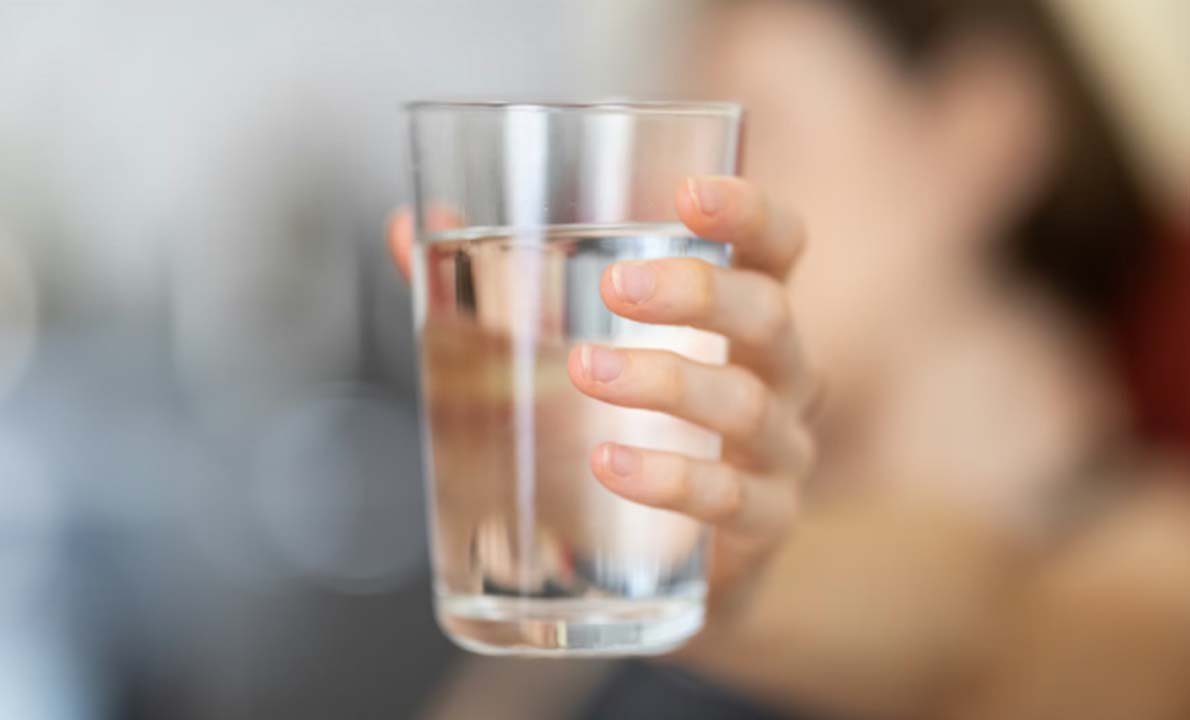
The science of hydration has evolved beyond simply drinking enough water. Athletes, concertgoers, and fitness enthusiasts are increasingly turning to oxygenated water—a beverage infused with additional oxygen molecules—as a tool for faster recovery and more effective rehydration after physically demanding activities.
Understanding the Oxygen Infusion Process
Oxygenated water is produced through a process that dissolves additional oxygen into water under pressure, resulting in oxygen concentrations several times higher than tap water. The underlying theory suggests that increased oxygen availability in the bloodstream could enhance cellular function and metabolic processes during recovery periods.
Oxygen plays a critical role in energy production at the cellular level. While the body primarily absorbs oxygen through respiration, proponents of oxygenated water argue that supplemental oxygen through hydration may offer marginal benefits during intense recovery phases, particularly when the body’s demand for oxygen exceeds normal supply.
Recovery Benefits Beyond Standard Hydration
After hours of dancing at a concert or completing an intense workout, the body enters a critical recovery window. During this period, proper hydration becomes essential for multiple physiological processes:
- Accelerated fluid absorption: The enhanced oxygen content may facilitate more efficient water uptake at the cellular level, helping restore hydration balance more quickly than conventional water.
- Metabolic waste removal: Adequate hydration supports the lymphatic system in clearing metabolic byproducts that accumulate during exertion, potentially reducing next-day soreness.
- Muscle tissue repair: Maintaining proper hydration status directly influences muscle protein synthesis and tissue recovery rates.
- Temperature regulation: Rehydration helps restore the body’s thermoregulatory capacity, which becomes compromised during prolonged physical activity.
These mechanisms make oxygen-infused water a compelling option for those seeking to optimize their post-activity recovery protocol.
Comparing Recovery Hydration Options
The sports nutrition market offers numerous recovery beverages, each with distinct formulations and intended benefits. Oxygenated water occupies a unique position in this landscape:
- Minimal ingredient profile: Unlike electrolyte drinks that contain sodium, potassium, and often significant amounts of sugar, oxygenated water typically consists solely of purified water and dissolved oxygen. For athletes looking for this kind of clean formulation, a straightforward option comes from brands like INHALE, O2 Natural Recovery, and Oxigen Water.
- Zero caloric load: For individuals monitoring caloric intake or those who’ve already consumed adequate nutrition, oxygenated water provides hydration without additional energy intake.
- Absence of artificial additives: Many commercial sports drinks contain artificial colors, flavors, and preservatives that some consumers prefer to avoid.
- Targeted oxygen delivery: The elevated oxygen content represents the primary differentiator, potentially supporting aerobic recovery processes.
While traditional sports drinks remain valuable for replenishing electrolytes lost through sweat during extended exertion, oxygenated water serves those prioritizing clean hydration with potential oxygen-related benefits.
The Lactate Clearance Mechanism
One of the most significant challenges following intense physical activity is the accumulation of lactate in muscle tissue. This metabolic byproduct, produced when muscles generate energy anaerobically, contributes to the burning sensation during exercise and post-activity fatigue.
Oxygenated water may influence lactate clearance through several pathways:
- Enhanced oxidative metabolism: The additional oxygen could theoretically support the conversion of lactate back into usable energy through aerobic pathways in the liver and muscles.
- Improved circulation efficiency: Better hydration status supports blood volume and flow, facilitating the transport of lactate away from muscle tissue to organs where it can be metabolized.
- Reduced recovery time: Faster lactate clearance correlates with decreased muscle soreness and quicker return to baseline performance capacity.
To learn about post-workout recovery, check out these tips to maximize muscle recovery.
Selecting an Effective Recovery Hydration Strategy
Choosing the right post-activity beverage requires consideration of individual needs, activity intensity, and personal health goals. Several factors should guide this decision:
- Activity duration and intensity: Shorter, high-intensity activities may benefit more from oxygen-focused hydration, while prolonged endurance events typically require electrolyte replacement.
- Ingredient transparency: Examine labels for unnecessary additives, excessive sugar content, or allergens that may conflict with dietary preferences.
- Hydration efficiency: Consider how quickly the beverage restores fluid balance—some formulations are designed for rapid absorption.
- Individual tolerance: Personal digestive sensitivity varies; some individuals tolerate certain ingredients better than others.
- Practical accessibility: The best recovery drink is one you’ll actually consume consistently when needed.
Implementation Guidelines for Optimal Results
Incorporating oxygenated water into your recovery routine requires strategic timing and appropriate consumption patterns to maximize potential benefits:
- Immediate post-activity window: Consume oxygenated water within 30 minutes of finishing your activity, when the body’s absorption capacity is highest and recovery processes are most active.
- Volume considerations: Aim for 500-750ml initially, adjusting based on body weight, sweat loss, and exertion level. Larger individuals or those who’ve engaged in particularly intense activity may require up to one liter.
- Temperature optimization: Chilled oxygenated water (4-10°C) not only feels more refreshing but also aids in reducing core body temperature elevated during exercise.
- Consistent integration: Regular use on training or activity days helps establish a reliable recovery pattern, potentially improving cumulative adaptation over time.
- Complementary nutrition: Pair hydration with appropriate post-activity nutrition—protein and carbohydrates within two hours support muscle recovery and glycogen replenishment.
- Avoid overconsumption: While rare, excessive water intake can lead to hyponatremia; balance oxygenated water with normal dietary sodium intake.
