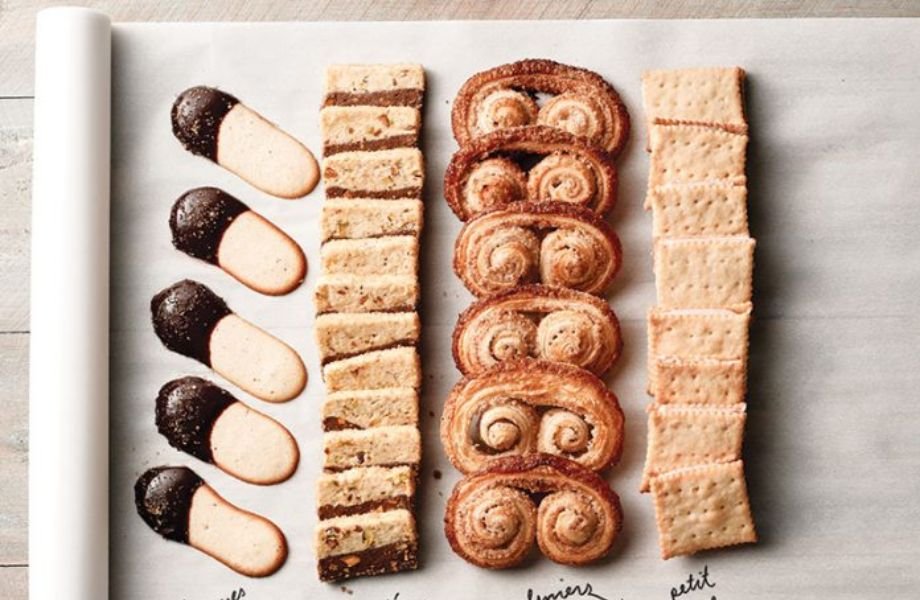
Few snacks are as closely associated with French everyday life as biscuits. In France, they are not merely sweets but part of the daily routine. A biscuit might accompany morning coffee, appear during an afternoon break, or be shared casually with friends visiting the house. Unlike elaborate desserts reserved for special occasions, biscuits are simple and comforting.
French biscuit traditions date back centuries. Many of the recipes that remain popular today were originally developed in regional bakeries where bakers experimented with butter, flour, and sugar to create small treats that could be stored for several days. Over time, these recipes evolved into iconic snacks that are now enjoyed across Europe.
The history of French biscuit baking
The earliest French biscuits were often designed with practicality in mind. Bakers created dry doughs that could last longer than fresh bread, making them useful for travel or long storage. These early biscuits were lightly sweetened and baked twice to reduce moisture.
As baking techniques improved, biscuits gradually became richer and more refined. Butter began to play a central role in the dough, giving biscuits a delicate flavor and crisp texture. This change transformed biscuits from simple preserved food into enjoyable snacks.
By the nineteenth century, biscuit-making had become a recognized industry in several regions of France. Many of the shapes and recipes that remain familiar today were developed during this period.
Ingredients that define traditional French biscuits
Despite the variety of French biscuits available today, most share a similar base of ingredients. Butter is the defining component. Its richness provides flavor while also influencing the texture of the dough.
Flour gives structure and allows biscuits to hold their shape during baking. Sugar contributes sweetness and helps create the golden color that appears on the surface of baked biscuits.
Eggs are sometimes included to bind the dough together and add softness. In other recipes, the dough relies entirely on butter and flour to create a crisp texture.
The simplicity of these ingredients reflects a broader philosophy in French cooking. High-quality ingredients often matter more than complex preparation.
Popular types of French snack biscuits
Several varieties of biscuits have become emblematic of French baking traditions.
Butter galettes
Butter galettes are among the most recognizable French biscuits. They are thin and round with a crisp texture and slightly caramelized surface. Their flavor comes primarily from butter, which gives them a delicate richness.
These biscuits are often enjoyed with tea or coffee and can also appear as part of dessert plates.
Petit beurre biscuits
Petit beurre biscuits are rectangular and lightly sweetened. Their name refers to the use of butter in the dough, although the flavor remains relatively subtle.
Because of their mild taste, they are often paired with spreads or used in dessert recipes.
Madeleines
Although technically closer to small cakes than biscuits, madeleines are often grouped with biscuit-style snacks. They are baked in shell-shaped molds and have a soft interior with slightly crisp edges.
Madeleines are particularly associated with afternoon tea or coffee breaks.
How French biscuits are produced
The process of making biscuits may appear simple, yet it requires careful attention to detail. The dough must be mixed so that the butter is evenly distributed without overworking the flour.
After mixing, the dough is rolled or shaped depending on the recipe. Some biscuits are cut into precise forms, while others are pressed into molds.
The baking stage is equally important. Temperature and timing determine whether biscuits remain soft or develop the crisp texture that wide varieties are known for.
Once baked, biscuits are cooled before packaging. Proper cooling helps maintain their structure and prevents moisture from softening their surface.
Biscuit makers and culinary heritage
Over time, several producers became closely associated with French biscuit traditions. These companies preserved regional recipes while introducing them to wider audiences.
One example is St Michel, a brand known for traditional butter biscuits that reflect long-standing baking methods. Products like these helped popularize French biscuit culture beyond regional bakeries.
Their success demonstrates how simple foods can become symbols of culinary heritage.
Discovering European biscuits today
Interest in European snacks has grown significantly in recent years. Many people enjoy exploring foods from different countries as a way of experiencing new culinary traditions.
Online grocery stores have made this exploration much easier. The EuropaFoodXB online grocery store, for instance, offers a range of imported European foods that reflect the diversity of the continent’s cuisine. Shoppers browsing such platforms may encounter traditional biscuits alongside cheeses, jams, and other pantry staples.
Having access to these products online allows people to discover regional snacks without traveling abroad.
Why biscuits remain a timeless snack
French biscuits have endured because they fit naturally into everyday life. They are easy to store, simple to serve, and satisfying without being heavy.
More importantly, they are closely linked to daily rituals. A biscuit served with coffee or tea creates a moment of pause in an otherwise busy day.
These small pleasures explain why classic French biscuits continue to be enjoyed across generations.